

There’s no more pop in popcorn ceilings
Advertisement
Read this article for free:
or
Already have an account? Log in here »
To continue reading, please subscribe:

Digital Subscription
One year of digital access for only $205*
- Enjoy unlimited reading on winnipegfreepress.com
- Read the E-Edition, our digital replica newspaper
- Access News Break, our award-winning app
- Play interactive puzzles
*First annual payment billed as $205.00 + GST for one year. This annual subscription will automatically renew at $233.00 + GST every 52 weeks (10% off the regular annual price of $259.35). Offer available to new and qualified returning subscribers only. Cancel any time.
To continue reading, please subscribe:
Add Free Press access to your Brandon Sun subscription for only an additional
$1 for the first 4 weeks*
- Enjoy unlimited reading on winnipegfreepress.com
- Read the E-Edition, our digital replica newspaper
- Access News Break, our award-winning app
- Play interactive puzzles
*Your next Brandon Sun subscription payment will increase by $1.00 and you will be charged $17.95 plus GST for four weeks. After four weeks, your payment will increase to $24.95 plus GST every four weeks.
Read unlimited articles for free today:
or
Already have an account? Log in here »
Hey there, time traveller!
This article was published 16/12/2017 (3179 days ago), so information in it may no longer be current.
A popcorn ceiling, otherwise known as an acoustic ceiling, is a ceiling that’s been sprayed with a textured coating. A popular design element between the 1950s and the 1980s, the texture is useful for hiding imperfections, but is now considered outdated.
Why remove a popcorn texture?
Popcorn ceilings are not only behind the times, but they’re also difficult to repair and clean.
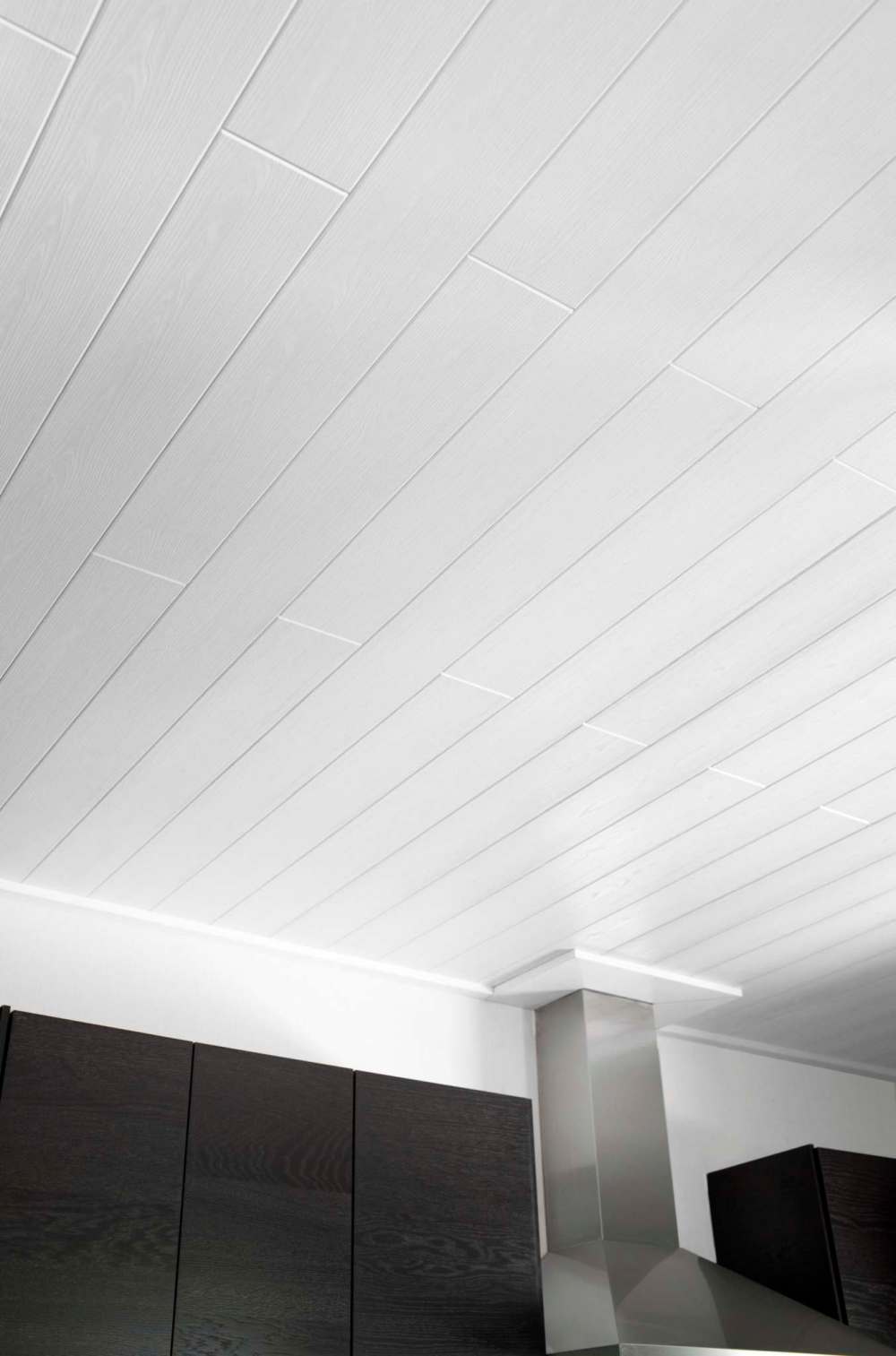
What’s more, they may deter potential buyers, if and when the time comes to sell your home.
There’s also a chance your popcorn ceiling may contain asbestos.
Asbestos was used in popcorn ceiling treatments until the Clean Air Act banned its use in 1978.
It’s most commonly found in the ceilings of homes built in the 1950s and 1960s.
If inhaled, asbestos can cause serious respiratory health issues.
What’s involved?
If your home was built before 1980, you should start with an asbestos test (you can get one for around US$75 to US$100).
If asbestos is present, you’ll want to hire a qualified asbestos mitigation service to remove it.
This will cost about US$3 to US$10 per square foot, and will involve sealing the affected area and removing the hazardous materials and particles.
If asbestos is not found to be present, or if your home was built after 1980, you can either tackle your popcorn ceiling yourself or hire a professional to do it for you.
A drywall professional will typically be able to offer the best results in this area.
To start, the popcorn texture must be scraped off the ceiling.
This is a tedious and messy process, and it will probably uncover stains and other previously hidden flaws.
To address these issues, the ceiling will typically need to be covered with multiple coats of drywall mud and retextured or sanded to a flat finish.
Finally, paint and primer should be applied to complete the ceiling update.
How much will it cost to hire a professional?
Experts say you can expect to pay about US$1.50 to US$3 per square foot to scrape, skim and retexture a popcorn ceiling, depending on the texture you choose and the height of your ceilings.
A mottled texture — known as a “knockdown” finish — will typically be the least expensive option because it doesn’t require the drywall professional to smooth every imperfection.
A smooth ceiling finish will be the most expensive, as a flawless surface is the most difficult and time-consuming to achieve.
Post-project painting will add to the overall cost.
Should you hire a pro or DIY?
You’d expect updating your popcorn ceiling to be a relatively simple DIY project, but it can be a messy and complicated process, and the debris and potential hazards involved make it one you might not want to mess with.
If there’s a chance that you may encounter asbestos — or if you lack the time and experience it will take to successfully complete this project — it’s probably well worth the cost to hire an appropriately licensed, insured and bonded professional.
You can always save a little money by painting the finished new ceiling yourself.
— Angie’s List