

Simply the best
All-America Selections Winners are green light to success

Advertisement
Read this article for free:
or
Already have an account? Log in here »
To continue reading, please subscribe:

Digital Subscription
One year of digital access for only $205*
- Enjoy unlimited reading on winnipegfreepress.com
- Read the E-Edition, our digital replica newspaper
- Access News Break, our award-winning app
- Play interactive puzzles
*First annual payment billed as $205.00 + GST for one year. This annual subscription will automatically renew at $233.00 + GST every 52 weeks (10% off the regular annual price of $259.35). Offer available to new and qualified returning subscribers only. Cancel any time.
To continue reading, please subscribe:
Add Free Press access to your Brandon Sun subscription for only an additional
$1 for the first 4 weeks*
- Enjoy unlimited reading on winnipegfreepress.com
- Read the E-Edition, our digital replica newspaper
- Access News Break, our award-winning app
- Play interactive puzzles
*Your next Brandon Sun subscription payment will increase by $1.00 and you will be charged $17.95 plus GST for four weeks. After four weeks, your payment will increase to $24.95 plus GST every four weeks.
Read unlimited articles for free today:
or
Already have an account? Log in here »
Hey there, time traveller!
This article was published 15/02/2020 (2390 days ago), so information in it may no longer be current.
When Ray Hastings proposed the idea of a national network of trial grounds throughout North America as the means to test new, unsold flower and vegetable varieties grown from seed, his intent was to give consumers an edge. Hastings wanted to bypass the promotional hyperbole that often accompanies plant introductions. An independent trialing organization with neutral volunteer judges would evaluate the performance of new, never-before-sold, strictly anonymous plants next to named comparisons considered as industry leading. Only when the trial ended, would the identity of the trial plants be revealed.
The year was 1932. The new independent non-profit organization was named All-America Selections. AAS has grown to be a respected, internationally recognized testing organization of flower and edible varieties. Incredibly, from the 1930s up until about the 1980s, it was being run out of volunteers’ homes. The history of AAS is well-documented although there are a few missing pieces. Diane Blazek, executive director of AAS, said last week from her office in Chicago, that some of the history was lost when the basement of a volunteer’s home was flooded.
This quirky bit of history is just one more reason for the enduring loyalty that plant breeders, growers and consumers feel for AAS. Is there a like-minded horticulture-related organization or group that isn’t all too familiar with the scenario of an initial shortage of seed money for their endeavours and years of meetings in the living rooms of volunteers not to mention the occasional loss of documents to floods or fires?
“The world of business in 2020 is dramatically different than it was in 1932,” says Blazek. The two trial categories that AAS started with in 1932, she says, were expanded about six years ago to four trial categories and now include ornamentals from vegetative cuttings and herbaceous perennials. The herbaceous perennials category was launched in 2015 and differs from the other categories because it is a three-winter trial.
In addition, some of the rules have changed. Plant varieties for the vegetative trial category and the herbaceous perennial trial category must still be new, never-before-sold at the time of entry, but once submitted, plant breeders may introduce their work commercially and start selling it.
This means a variety will be more readily available to the home gardener once it’s declared an AAS winner, says Blazek.
“The AAS designation is like a confidence factor,” says Blazek, “because we’re gathering more information about the plants in the trials, communicating more to consumers, and creating more visibility and transparency.”
Plant breeders want to respond to the needs of the home gardener. One of the top trends in breeding, says Blazek, is making plant varieties drought and heat tolerant. Plants are also bred for pest and disease resistance. Trials are conducted in approximately 80 trial sites throughout the U.S. and Canada. In 2016, Vanstone Nurseries in Portage la Prairie became the first AAS trial garden in Manitoba. Herbaceous perennials are the primary focus of the AAS trial at Vanstone.

There are nearly 200 AAS display gardens in North America. Twenty-four are in Canada.
Interestingly, the earliest and probably longest-running AAS Display Garden is in Quebec: the Norseco display at Montreal Botanical Garden which this year was the second-place winner in category 3 (over 100,000 visitors) in the AAS Design Challenge Contest.
Assiniboine Park Conservancy displays AAS plants but is not an official display garden. Craig Gillespie, lead gardener, says the plan this year is to display AAS plants in the Children’s Nature Playground, zoo areas, and the area north of the old conservatory. All the AAS plants will be clearly identified.
Today, plant varieties that receive the AAS designation signal a green light to success for consumers. The branded award is a seal of approval. The annual announcement of AAS winners is closely watched by industry players and consumers alike. Often the designation prompts breeders to bump up production. That’s a good thing because it’s almost guaranteed the winners will be in high demand. Let’s look at just a few of this year’s winners but let’s begin with the one AAS variety that consumers are assured to find this spring at many local garden centres:
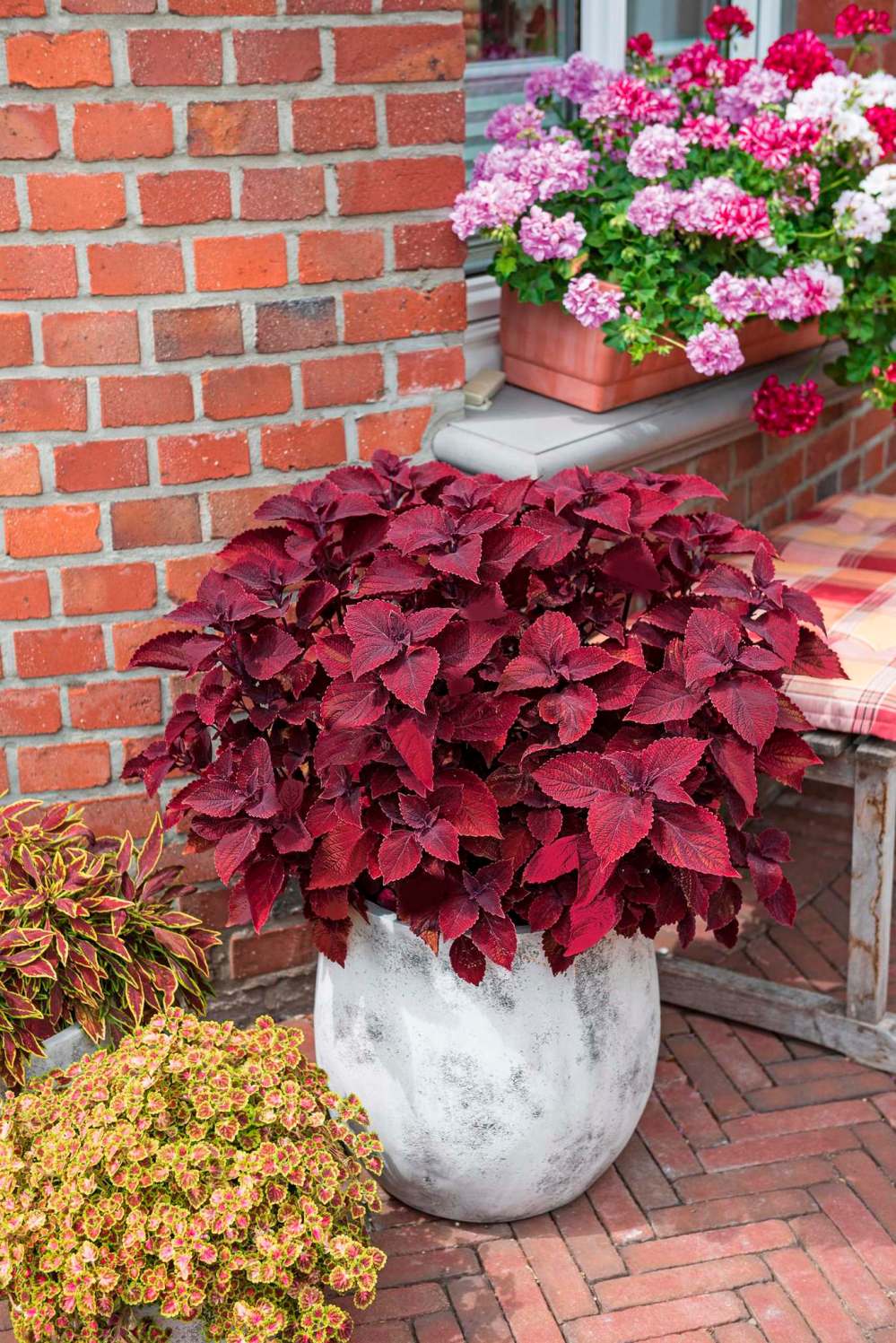
Coleus Main Street Beale Street from the Dummen Orange breeding program earned top honours as a 2020 All-American Selections ornamental winner. Indeed, this variety has the distinction of being the first-ever coleus to be named an AAS winner. A true red coleus with full-sun tolerance, adaptability to shade and resistance to fading, additional attributes include upright form and late flowering.
It may be less easy to find the following varieties but continue to check at your local garden centre or ask that these varieties be brought in if it’s something you feel you must have for your garden:
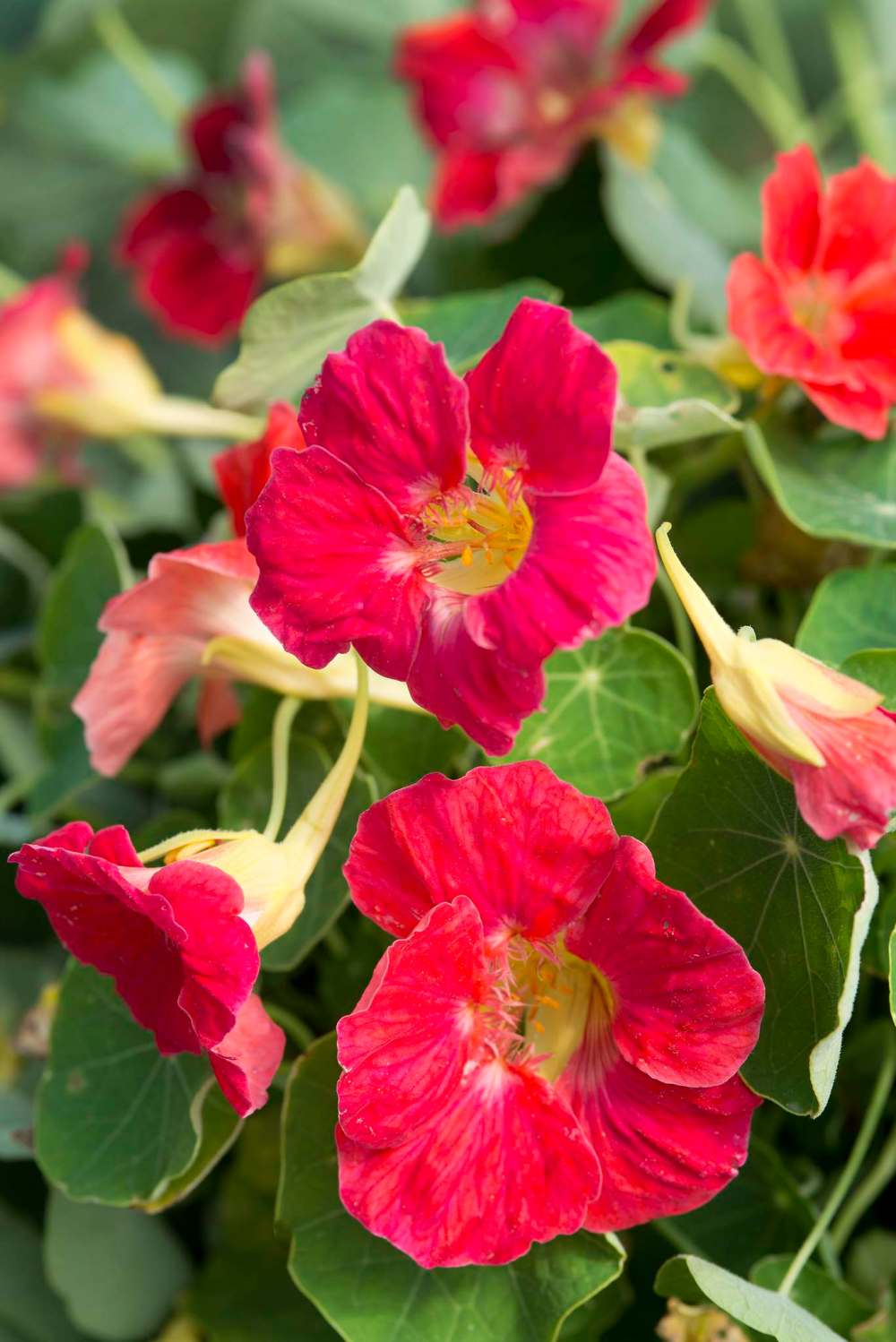
Nasturtium Tip Top Rose, 2020 AAS flower winner, is an exciting new compact nasturtium that was more floriferous than other trialed comparison varieties. Notably, judges found that the bright rose flowers don’t fade as they age. Can’t wait for this variety to be available locally? Check out Nasturtium Baby Rose, a 2019 AAS flower winner. T & T Seeds, for example, lists this adorable, mounding annual in their 2020 catalogue.
Gardeners can’t get enough of echinacea. Every new variety looks so appealing. Echinacea Sombrero Baja Burgundy, 2020 AAS herbaceous perennial winner, was trialed over three consecutive winters starting in 2016 at trial gardens throughout North America, including at Vanstone Nursery in Portage la Prairie. This new variety features deep violet-red blossoms and sturdy branching. It has zone 4 hardiness, however, says Vanstone, which makes Sombrero Baja Burgundy more suitable for containers in our zone 3 climate.

Still, one advantage of backyards is that they may afford a location that is less at the mercy of the elements than an open-area trial garden. Don’t give up too easily — this variety is worth some extra effort. If you plant Sombrero Baja Burgundy in a sunny but sheltered area in your garden and provide some extra winter protection, you may be pleasantly surprised the following spring.
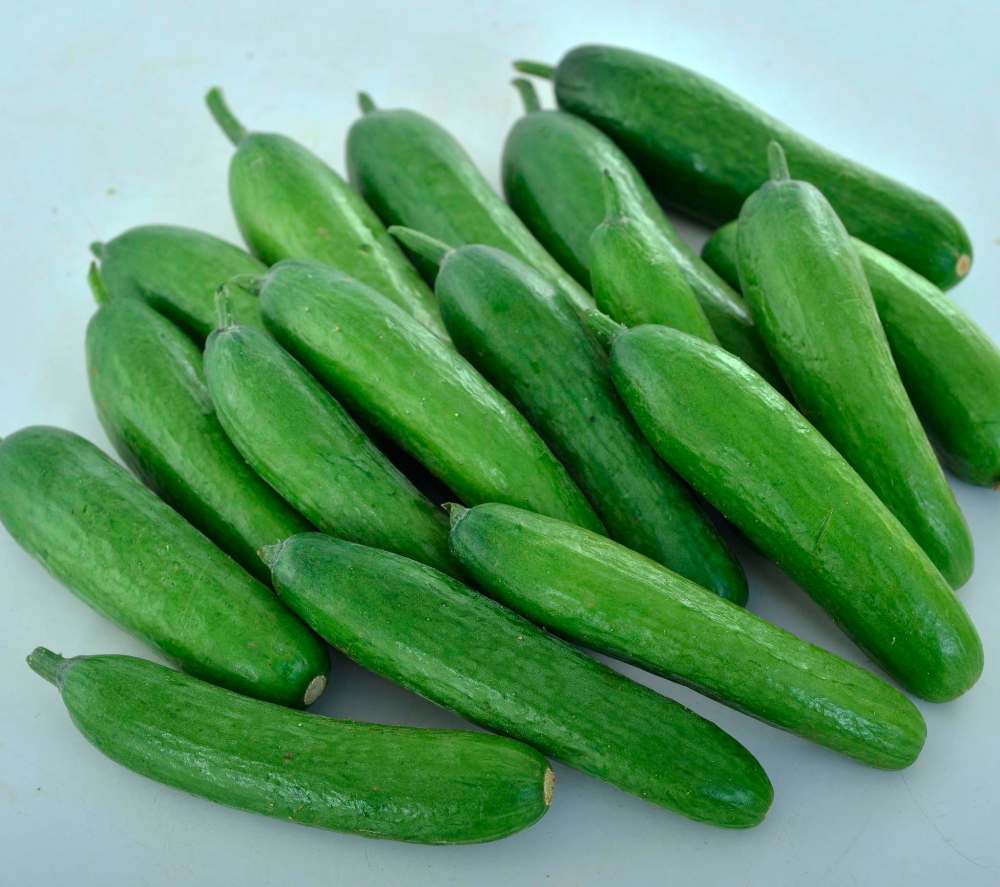
Blazek says another trend that has emerged is one she refers to as personal sized produce. Green Light Cucumber and Tomato Apple Yellow are 2020 AAS vegetable winners that reflect the trend towards miniature-size edible varieties that are also prolific producers. Green Light will yield 40 or more spineless fruits per plant. The fruits are seedless and don’t need to be pollinated. This is an excellent variety for growing vertically.
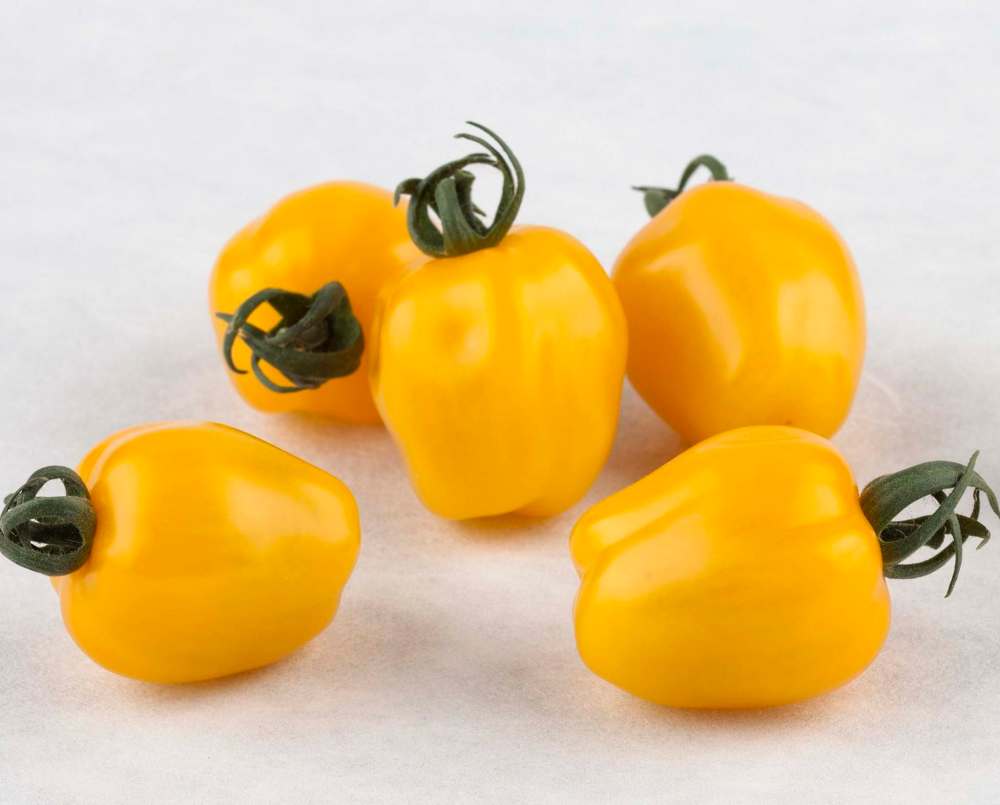
Tomato Apple Yellow is a miniature, apple-shaped lemon-yellow tomato. The tall 1.5 metre vines produce up to an amazing 1,000 fruits per plant. To learn more about 2020 AAS varieties, visit all-americaselections.org.
The 2020 AAS, HGSA and NGB Summer Summit will be held in Vancouver, B.C., September 9-11. West Coast Seeds which is the site of an AAS trial garden will be one of the major stops. Mark MacDonald, communications manager for West Coast Seeds says that the seeds for AAS winners are always in high demand. West Coast Seeds may have seeds for Tip Top Rose nasturtium by spring 2021.
colleenizacharias@gmail.com
Colleen Zacharias
Gardening columnist
Colleen Zacharias writes about many aspects of gardening including trends, plant recommendations, and how-to information that is uniquely relevant to Prairie gardeners. She has written a column for the Free Press since 2010 and pens the monthly newsletter Winnipeg Gardener. Read more about Colleen.
Every piece of reporting Colleen produces is reviewed by an editing team before it is posted online or published in print — part of the Free Press‘s tradition, since 1872, of producing reliable independent journalism. Read more about Free Press’s history and mandate, and learn how our newsroom operates.
Our newsroom depends on a growing audience of readers to power our journalism. If you are not a paid reader, please consider becoming a subscriber.
Our newsroom depends on its audience of readers to power our journalism. Thank you for your support.
Colleen Zacharias
Gardening columnist
Colleen Zacharias writes about many aspects of gardening including trends, plant recommendations, and how-to information that is uniquely relevant to Prairie gardeners. She has written a column for the Free Press since 2010 and pens the monthly newsletter Winnipeg Gardener. Read more about Colleen.
Every piece of reporting Colleen produces is reviewed by an editing team before it is posted online or published in print — part of the Free Press‘s tradition, since 1872, of producing reliable independent journalism. Read more about Free Press’s history and mandate, and learn how our newsroom operates.
Our newsroom depends on a growing audience of readers to power our journalism. If you are not a paid reader, please consider becoming a subscriber.
Our newsroom depends on its audience of readers to power our journalism. Thank you for your support.
Advertisement Advertise With Us
Advertisement Advertise With Us