

Perennials to love
Make your garden beautiful for YOU

Advertisement
Read this article for free:
or
Already have an account? Log in here »
To continue reading, please subscribe:

Digital Subscription
One year of digital access for only $205*
- Enjoy unlimited reading on winnipegfreepress.com
- Read the E-Edition, our digital replica newspaper
- Access News Break, our award-winning app
- Play interactive puzzles
*First annual payment billed as $205.00 + GST for one year. This annual subscription will automatically renew at $233.00 + GST every 52 weeks (10% off the regular annual price of $259.35). Offer available to new and qualified returning subscribers only. Cancel any time.
To continue reading, please subscribe:
Add Free Press access to your Brandon Sun subscription for only an additional
$1 for the first 4 weeks*
- Enjoy unlimited reading on winnipegfreepress.com
- Read the E-Edition, our digital replica newspaper
- Access News Break, our award-winning app
- Play interactive puzzles
*Your next Brandon Sun subscription payment will increase by $1.00 and you will be charged $17.95 plus GST for four weeks. After four weeks, your payment will increase to $24.95 plus GST every four weeks.
Read unlimited articles for free today:
or
Already have an account? Log in here »
Hey there, time traveller!
This article was published 08/05/2021 (1934 days ago), so information in it may no longer be current.
Are you seeing plenty of perennial plants popping up in your garden this spring? Some plant varieties are slower than others and if you’re like me, it’s impossible to resist the urge to inspect the ground more closely for the first signs of new growth by brushing away bits of leaves and soil.
Before you conclude that some plants didn’t come back after the winter, keep in mind that some plant varieties remain dormant longer than others. Soil moisture and organic matter content as well as temperature, light conditions, and when a plant typically blooms — even a plant’s location in your landscape — are all factors that can influence the emergence of plants in the spring garden. Early blooming perennials such as Bergenia, Epimedium Bishop’s Hat, Heartleaf Brunnera, Iris, Pulmonaria Lungwort and peonies are the first ones out of the gate. But perennial varieties that bloom starting mid-July or August — Actaea (Cimicifuga) bugbane, Helenium sneezeweed, Thalictrum meadow rue, etc., — are late to the party. There are others, too, such as Aralia Sun King, that take their sweet time but then grow rapidly when the conditions are right.
The next best thing to discovering the first signs of fresh, new growth from perennials that come back year after year is the excitement of shopping for new perennials. Erna Wiebe, co-owner of Oakridge Garden Centre in Steinbach, says that interest in perennials grows steadily each year. A recent survey by Nanos says that in 2020 gardening increased most dramatically in the 19 to 39 age group. “New gardeners are enthusiastic, they ask questions and research, and they have fallen in love with perennials,” says Wiebe.
Oakridge Garden Centre carries an extensive line of perennials. Here are some superb perennials that will make your garden look beautiful:
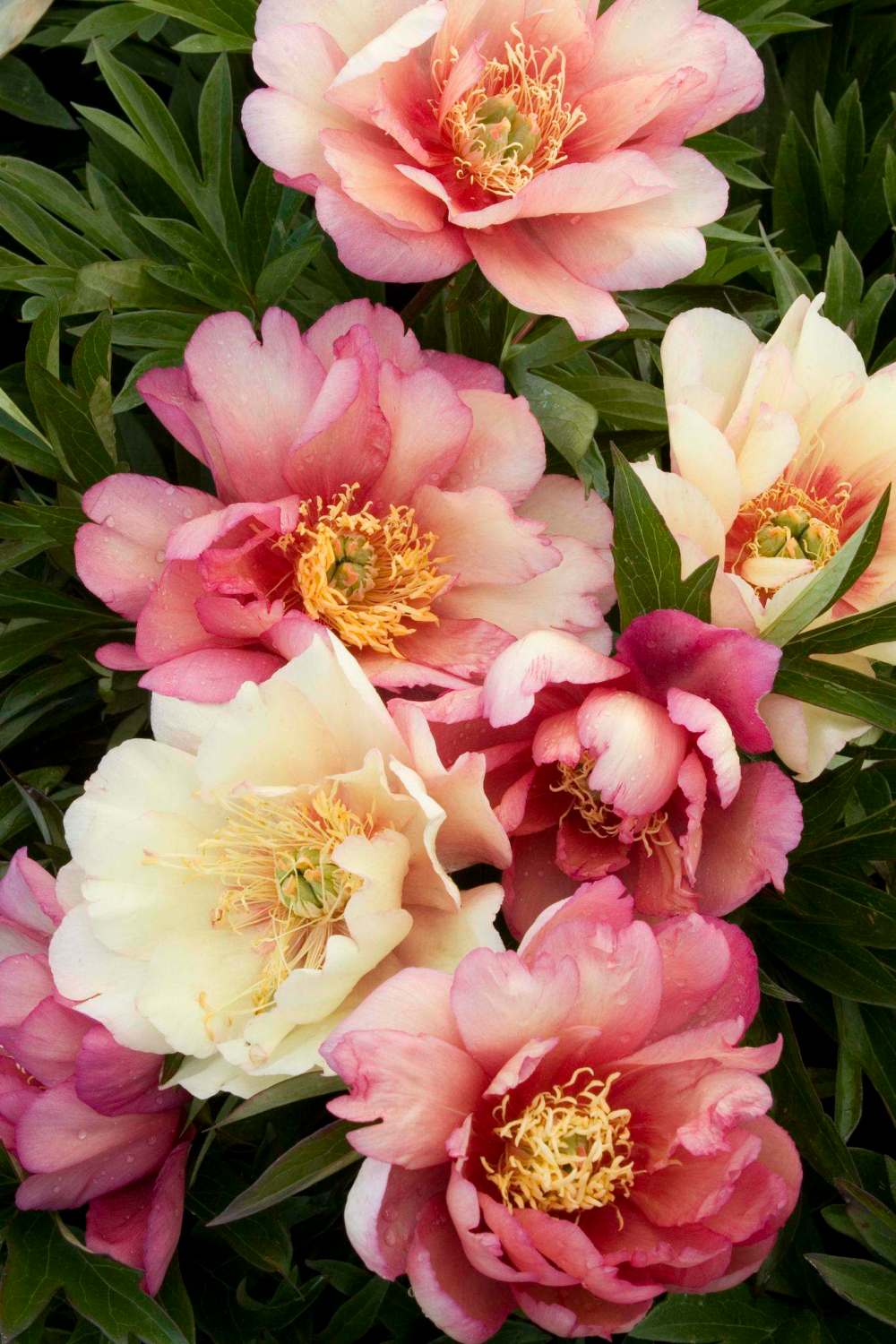
Julia Rose Itoh peony is an intersectional peony with magnificent, silky flowers. “Julia Rose is gorgeous, stunning,” says Wiebe. The cherry red buds of Julia Rose open to soft apricot double blooms with reddish purple tips and yellow centres. The silky blooms fade to yellow. Itoh peonies are a cross between herbaceous peonies and tree peonies. You will pay more for an Itoh peony but in return you will have a plant with very sturdy stems (no staking required), handsome form, and incredible, large flowers. Julia Rose has a soft, slightly spicy fragrance and a mature height of 60 cm. Plant in a full sun or partial sun location.
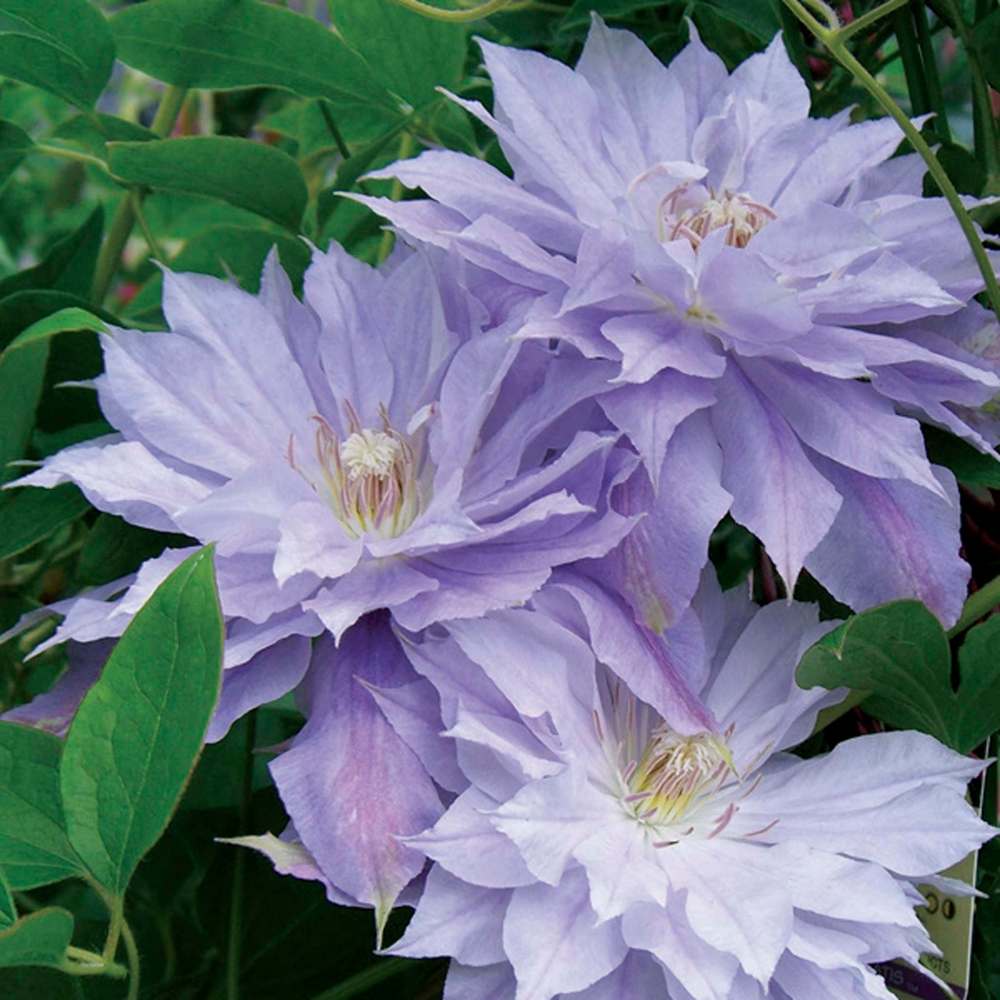
Clematis Mrs. P.T. James is a love story. Hybridized on Salt Spring Island by Mr. P.T. James and named for his wife, the 15 to 20 cm double flowers which bloom heavily in June are a rhapsody in violet-blue and are followed by single blooms in the second flush. This variety grows to a height of two to three metres. Once your plant is established, a light pruning with some variation in the length of stems is all that is required in early spring. Every few years or so, this variety can be rejuvenated by cutting back most of the old growth.
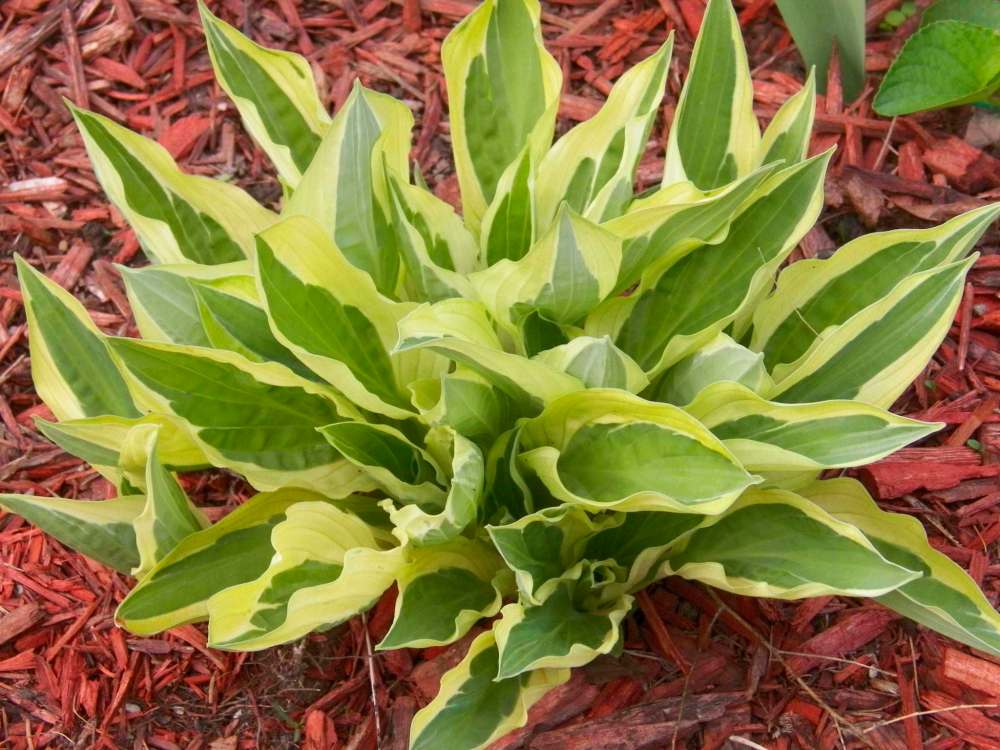
Hosta Yellow Polka Dot Bikini is a sought-after variety for its unique foliage that starts out with bright yellow borders that eventually transition to apple green. A sport of Hosta Striptease, the leaf centre is dark green with white streaks. Lavender flowers are produced in midsummer. With a mature height of 20 to 25 cm and a spread of 40 to 45 cm, Yellow Polka Dot Bikini is compact but not itsy bitsy, teenie weenie.
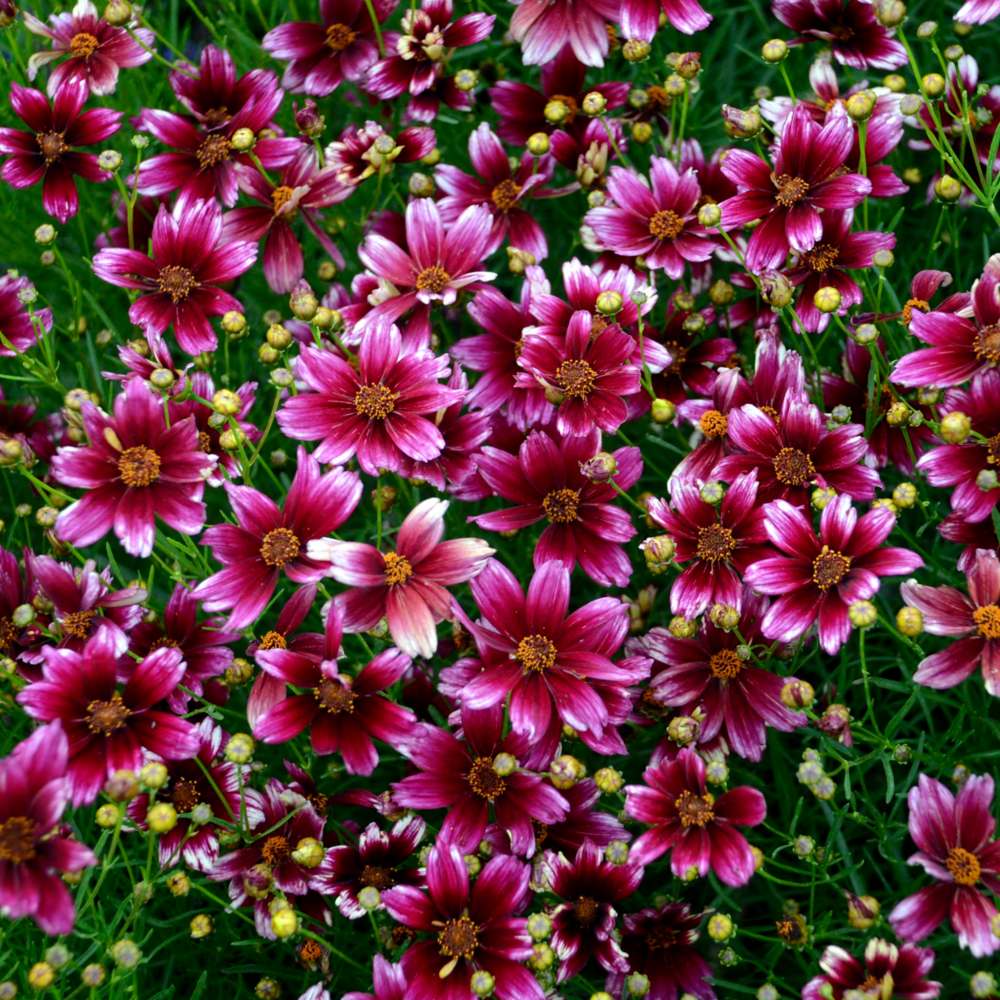
If you are mostly familiar with yellow flowering coreopsis (a.k.a. tickseed), check out Coreopsis Berry Chiffon from the Satin & Lace Series. Bred by prolific plant breeder Darrell Probst of Massachusetts, Berry Chiffon produces a profusion of daisy-like white flowers with a raspberry red eye and is perfect for a mixed border or patio pot. As temperatures start to cool by summer’s end, the raspberry colour expands to cover most of the flower’s petal surface. Berry Chiffon is highly resistant to powdery mildew and continues to bloom in the heat of summer. No deadheading is required.
By far, the most popular perennial grass sold in North America today is Karl Foerster feather reed grass. “I think it’s because Karl Foerster ornamental grass is so dependable,” says Wiebe. “Other ornamental grasses take a couple of years to develop but Karl Foerster grass gives good performance even in the first year of planting.” Look around and you will see Karl Foerster grass growing everywhere, almost to the point of being ubiquitous. Why not try a specimen grass that really stands out from the crowd?
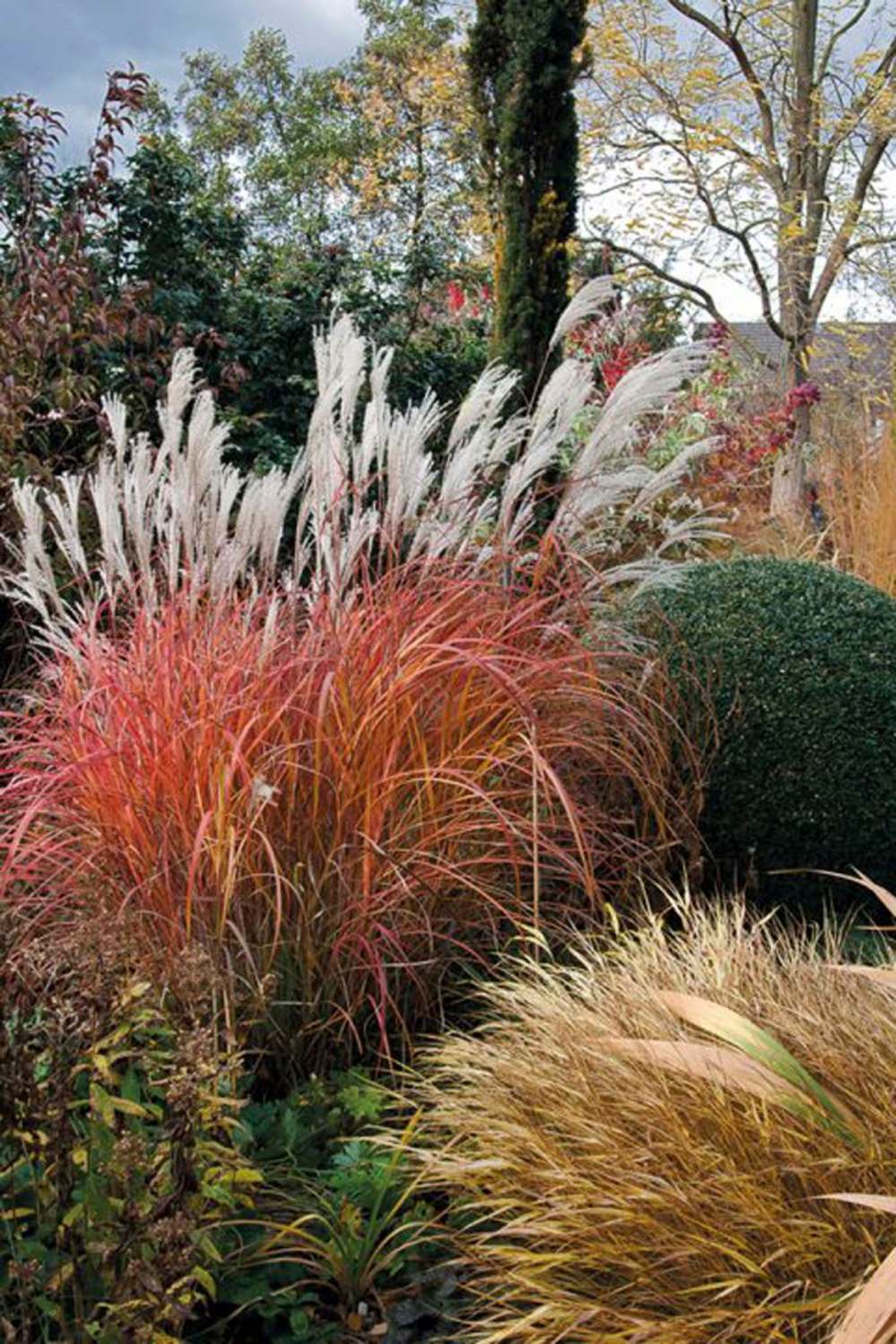
Miscanthus Fire Dragon Maiden Grass is a highly ornamental warm season perennial grass. Fire Dragon creates a bold presence in the garden with cascading green leaves in summer that transition to vivid orange and red in fall and are topped by tasseled plumes with dramatic hues of silver. In a word, awesome, says Wiebe.
Fire Dragon has a mature height of 180 to 215 cm. Karl Foerster grass, by comparison, stands strongly upright but grows to only 120 to 150 cm. It’s true that Karl Foerster grass has exceptional winter hardiness (zone 3) whereas Fire Dragon is closer to zone 4 hardiness. Choose a protected, sunny location and plant Fire Dragon in moist, well-drained soil. In late fall, after the ground has frozen, apply a layer of mulch for winter protection.

Helenium is a midsized perennial that blooms midsummer to early fall and is a must-have for the late season garden. Helenium Double Trouble is the first double flowered Helenium. Ideal for borders, this trouble-free perennial produces masses of bright yellow, double flowers with button-like centres on sturdy stems. Bonus: Double Trouble is deer resistant and is lovely as a cut flower in fall bouquets.
Perennials are at their best and most satisfying once they are mature — typically in the third year. Get your perennials off to a good start by planting them in warm, moist soil. A top dressing of organic mulch will help the soil to retain moisture. This is especially important in the dry conditions that are expected to persist this year. A layer of mulch also helps to suppress weed growth.
All the plants described above and many more are listed in Oakridge Garden Centre’s online catalogue. The online form makes ordering easy. Visit in-person (capacity inside the greenhouse is limited to 25 percent and masks are required as per COVID protocols) or take advantage of curbside pickup service. Home delivery options are also available, says Wiebe.
Oakridge Garden Centre has added a modernized, energy efficient perennial greenhouse which opened in April. The new greenhouse is approximately 33 by seven metres and offers wider aisles. It features polycarbonate overhead doors that open fully to create a comfortable indoor-outdoor shopping experience for customers, says Wiebe. “It’s healthier for the plants, too, because pollinators as well as hummingbirds can easily fly in and out.” No chemical sprays are used. As well, customers can bring back their plastic plant pots if they are not broken. Oakridge staff clean and reuse or repurpose plastic containers to reduce waste.
colleenizacharias@gmail.com
Colleen Zacharias
Gardening columnist
Colleen Zacharias writes about many aspects of gardening including trends, plant recommendations, and how-to information that is uniquely relevant to Prairie gardeners. She has written a column for the Free Press since 2010 and pens the monthly newsletter Winnipeg Gardener. Read more about Colleen.
Every piece of reporting Colleen produces is reviewed by an editing team before it is posted online or published in print — part of the Free Press‘s tradition, since 1872, of producing reliable independent journalism. Read more about Free Press’s history and mandate, and learn how our newsroom operates.
Our newsroom depends on a growing audience of readers to power our journalism. If you are not a paid reader, please consider becoming a subscriber.
Our newsroom depends on its audience of readers to power our journalism. Thank you for your support.
Colleen Zacharias
Gardening columnist
Colleen Zacharias writes about many aspects of gardening including trends, plant recommendations, and how-to information that is uniquely relevant to Prairie gardeners. She has written a column for the Free Press since 2010 and pens the monthly newsletter Winnipeg Gardener. Read more about Colleen.
Every piece of reporting Colleen produces is reviewed by an editing team before it is posted online or published in print — part of the Free Press‘s tradition, since 1872, of producing reliable independent journalism. Read more about Free Press’s history and mandate, and learn how our newsroom operates.
Our newsroom depends on a growing audience of readers to power our journalism. If you are not a paid reader, please consider becoming a subscriber.
Our newsroom depends on its audience of readers to power our journalism. Thank you for your support.
Advertisement Advertise With Us
Advertisement Advertise With Us