

WRHA free to talk: expert
There's no legal bar, top lawyer says, to discussing ER death
Advertisement
Read this article for free:
or
Already have an account? Log in here »
To continue reading, please subscribe:

Digital Subscription
One year of digital access for only $205*
- Enjoy unlimited reading on winnipegfreepress.com
- Read the E-Edition, our digital replica newspaper
- Access News Break, our award-winning app
- Play interactive puzzles
*First annual payment billed as $205.00 + GST for one year. This annual subscription will automatically renew at $233.00 + GST every 52 weeks (10% off the regular annual price of $259.35). Offer available to new and qualified returning subscribers only. Cancel any time.
To continue reading, please subscribe:
Add Free Press access to your Brandon Sun subscription for only an additional
$1 for the first 4 weeks*
- Enjoy unlimited reading on winnipegfreepress.com
- Read the E-Edition, our digital replica newspaper
- Access News Break, our award-winning app
- Play interactive puzzles
*Your next Brandon Sun subscription payment will increase by $1.00 and you will be charged $17.95 plus GST for four weeks. After four weeks, your payment will increase to $24.95 plus GST every four weeks.
Read unlimited articles for free today:
or
Already have an account? Log in here »
Hey there, time traveller!
This article was published 13/02/2009 (6441 days ago), so information in it may no longer be current.
Manitoba’s former deputy justice minister says there is nothing in law preventing the Winnipeg Regional Health Authority from publicly releasing an edited administrative review into the death of Brian Sinclair before a provincial inquest is held.
Bruce MacFarlane, currently a special prosecutor attached to the international war crimes tribunal in The Hague, said privacy or any other legal concerns pose no impediment to the release of the report.
“I think that they are being ultra-cautious,” MacFarlane said in an e-mail to the Free Press from the Netherlands. “The concern of not interfering with a legal proceeding is very important when it comes to a jury trial; and of some concern in other types of criminal trials; and of almost no concern when it comes to civil trials or civil-types of proceedings such as an inquest.”
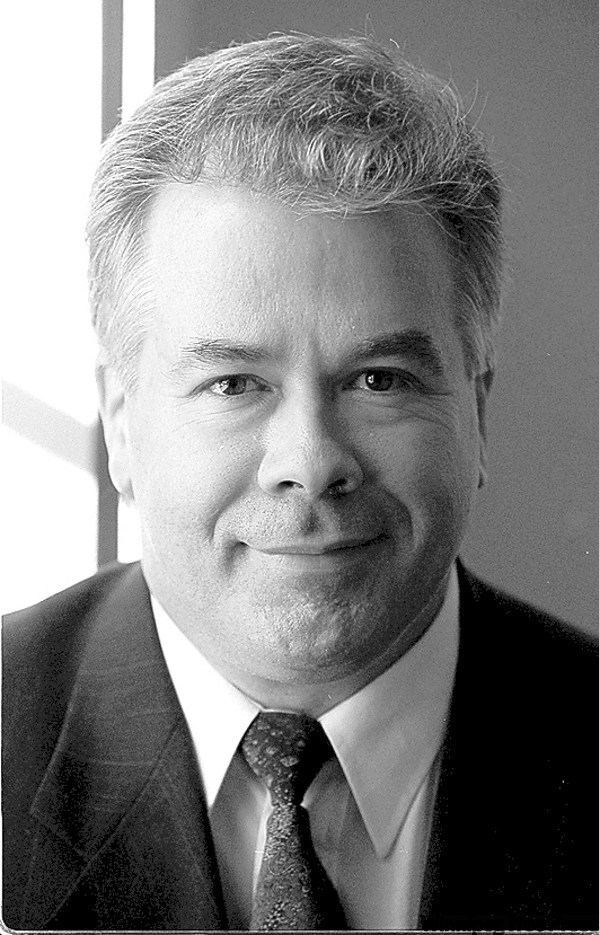
MacFarlane said inquests are presided over by professional judges, “who know what is relevant and what is not, and will consciously filter out anything that might otherwise be seen as prejudicial if given to a jury.
“My view is this: While the WRHA can take this position as a policy position, they should take responsibility for their decision and not try to portray it as an impediment that the law has created. That is, quite simply, not the case.”
The WRHA came under fire this week because officials said an outside legal expert recommended against publicizing the details of the review, saying it’s better that the truth come out in full in the inquest.
Critics question whether the release of the review would harm the inquest process, since the purpose of the inquest is to delve into the facts and events leading up to Sinclair’s death — not to assign blame.
Manitoba ombudsman Irene Hamilton has also said she’s not aware of any law that prevents the WRHA from publicly releasing the report prior to the inquest.
Tory leader Hugh McFadyen said the WRHA’s legal advice appears to have been “cherry-picked.” He said the report should be released to restore public confidence.
Premier Gary Doer has said the province will not overrule the WRHA’s decision.
MacFarlane made headlines recently when he was cleared of any wrongdoing in connection with an investigation he conducted for an international criminal tribunal looking into the case of former Yugoslavian and Serbian dictator Slobodan Milosevic. He was brought on as a special investigator for the case last spring.

His job was to look into allegations that Florence Hartmann, a French journalist who worked as a spokeswoman for the tribunal’s chief prosecutor until 2006, knowingly revealed the contents of minutes of the Supreme Defence Council of Serbia, which were privately submitted to the tribunal during its trial of Milosevic.
Hartmann contends those minutes revealed Serbia’s involvement in the genocide of Muslims in Bosnia-Herzegovina from 1992 to 1995, beyond the mass killing of 8,000 Muslim men and boys at Srebrenica in 1995.
Hartmann’s lawyers accused MacFarlane of conducting a flawed investigation and of numerous instances of contempt, and wanted the proceedings against their client to be halted.
But judges on the case ruled last Thursday that there was nothing wrong with MacFarlane’s investigation, and denied the defence’s requests. If convicted, Hartmann faces a maximum sentence of seven years in prison and a $150,000 fine.
bruce.owen@freepress.mb.ca
Related Articles
Health clinic to be named for man who died in Winnipeg ER
Advertisement Advertise With Us
Advertisement Advertise With Us