

Community kept us here
Nominee program affirmed province wanted our family
Advertisement
Read this article for free:
or
Already have an account? Log in here »
To continue reading, please subscribe:

Digital Subscription
One year of digital access for only $205*
- Enjoy unlimited reading on winnipegfreepress.com
- Read the E-Edition, our digital replica newspaper
- Access News Break, our award-winning app
- Play interactive puzzles
*First annual payment billed as $205.00 + GST for one year. This annual subscription will automatically renew at $233.00 + GST every 52 weeks (10% off the regular annual price of $259.35). Offer available to new and qualified returning subscribers only. Cancel any time.
To continue reading, please subscribe:
Add Free Press access to your Brandon Sun subscription for only an additional
$1 for the first 4 weeks*
- Enjoy unlimited reading on winnipegfreepress.com
- Read the E-Edition, our digital replica newspaper
- Access News Break, our award-winning app
- Play interactive puzzles
*Your next Brandon Sun subscription payment will increase by $1.00 and you will be charged $17.95 plus GST for four weeks. After four weeks, your payment will increase to $24.95 plus GST every four weeks.
Read unlimited articles for free today:
or
Already have an account? Log in here »
Hey there, time traveller!
This article was published 13/04/2012 (5247 days ago), so information in it may no longer be current.
It was a new century, a new millennium, in April 2000 when radiation therapists at Panorama Hospital in Cape Town, South Africa, discussed an enticing new opportunity in a place called Winnipeg.
Most of the therapists interested in the job were single and just starting their careers, but one woman had been in the workforce for a while and had a husband and two small children.
With bombings and increased violence in Cape Town and the pangs of apartheid still very real even after six years, that woman decided to relocate her entire family to Winnipeg.
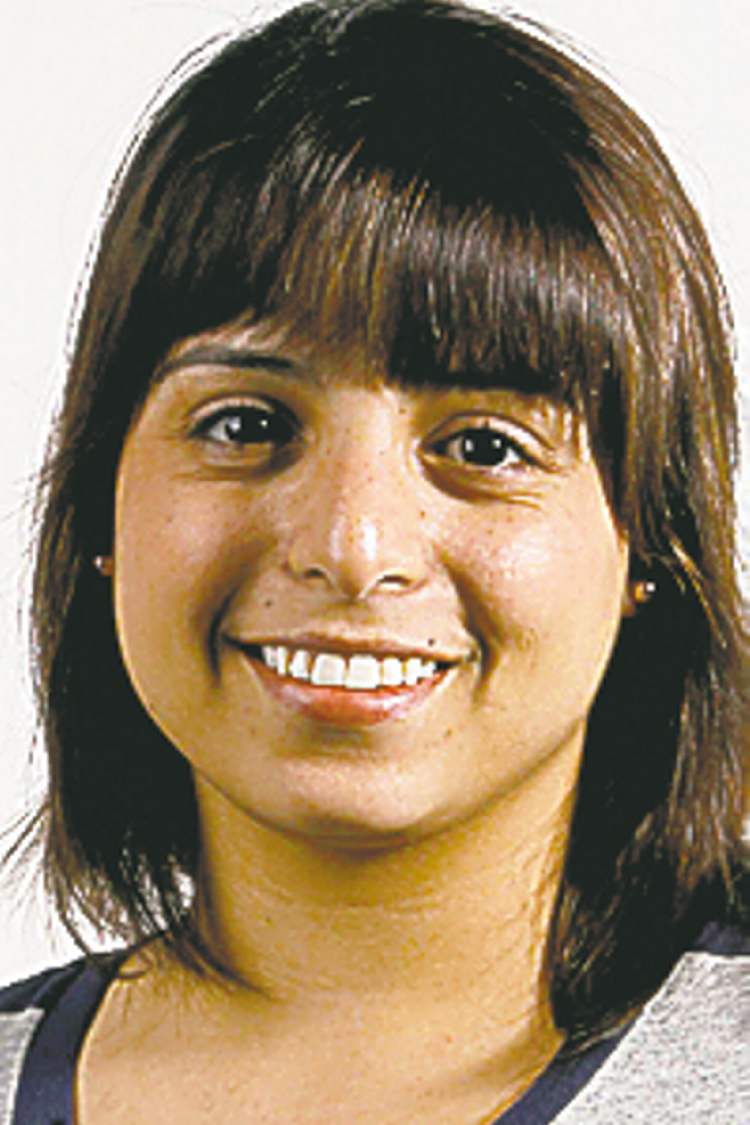
She is my mother, Maylene Ponticelli, who accepted a two-year contract with CancerCare Manitoba when it was recruiting therapists from South Africa.
“There were a lot of girls interested in going; a lot of us applied,” she recalled. “The company offered us a relocation fee, which was the same amount whether you were single or had a family.”
In 2000, the relocation fee was $5,000. The rest came out of personal savings because of the promise of better opportunity in Manitoba. My mother wasn’t told about the fledgling provincial nominee program until we arrived.
“I wasn’t made aware of it,” she said. “I applied for the program after I found out about it from a South African woman I met at the salon.”
My mother filled out the application online on our family’s first computer.
In 2000, the provincial nominee program was an immigrant’s tool used as a “stepping stone” before applying federally as a landed immigrant. Applications for would-be new adult Canadians cost $975 each; children were free.
“It eased the way and at the time, there were no medical fees through the province,” said Ponticelli, referring to the medical examinations required by the federal government. My mother knew she had a good chance of being accepted through the program because of her much-needed skills.
Going through the program was an affirmation the province wanted to keep us here.
“It’s a security thing; from there, it feels better moving forward to becoming a resident,” Ponticelli said.
We were not alone; Manitoba was seeing an increase in foreign health-care workers because of the program. While my mother had secured work before applying to the program, the realities of being first-generation immigrants were still there. We didn’t know the city, we didn’t understand the political climate and we weren’t aware of supports.
There is hardly a specific entity at fault; it could be because the program was new, or because my family wasn’t looking in the right direction. We could speak English and figure things out as we went, which sometimes made it more difficult for people to understand the adjustment was a challenge.
On our second day in Winnipeg, we took a bus ride and fumbled through tasks like asking for a transfer and figuring out schedules and routes. Buying a vehicle and driving on the right side are things we now take for granted. My parents could do all these things alone, sure, but having help moved things quickly.

We had a guide in the community, who was the director of CancerCare at the time. On her own time, she enrolled my brother and I in the same school as her children and helped set up a place for my family in the same neighbourhood. Because my parents weren’t tied up doing this, my mother could focus on her job right away and my father found his within two weeks of arriving.
Had we been without our guide, our story in Winnipeg would be much different.
Feeling a part of a community is what has kept us in the province. My mother now lives in Brandon, working at the city’s new CancerCare facility.
It just made sense; Manitoba is home.
daniella.ponticelli@freepress.mb.ca
Related Articles
Agencies fearful of feds' takeover
Advertisement Advertise With Us
Advertisement Advertise With Us