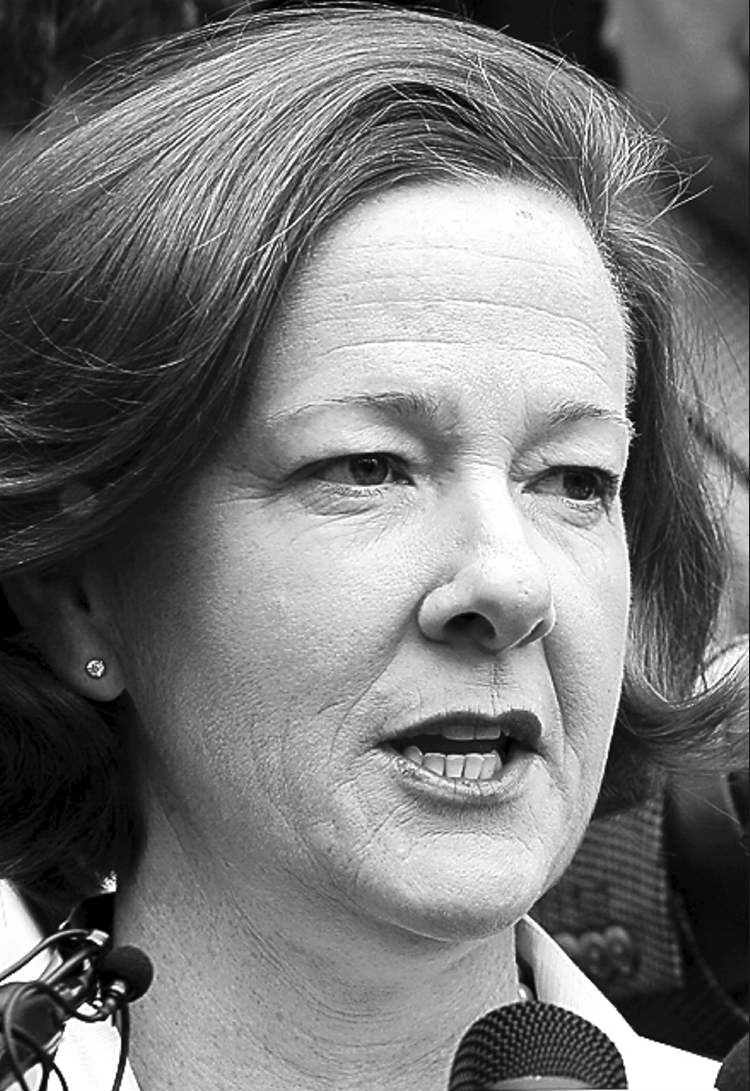
Another female premier in office
But women still have a way to go in politics
Advertisement
Read this article for free:
or
Already have an account? Log in here »
To continue reading, please subscribe:
Monthly Digital Subscription
$1 per week for 24 weeks*
- Enjoy unlimited reading on winnipegfreepress.com
- Read the E-Edition, our digital replica newspaper
- Access News Break, our award-winning app
- Play interactive puzzles
*Billed as $4.00 plus GST every four weeks. After 24 weeks, price increases to the regular rate of $19.95 plus GST every four weeks. Offer available to new and qualified returning subscribers only. Cancel any time.
Monthly Digital Subscription
$4.99/week*
- Enjoy unlimited reading on winnipegfreepress.com
- Read the E-Edition, our digital replica newspaper
- Access News Break, our award-winning app
- Play interactive puzzles
*Billed as $19.95 plus GST every four weeks. Cancel any time.
To continue reading, please subscribe:
Add Free Press access to your Brandon Sun subscription for only an additional
$1 for the first 4 weeks*
*Your next subscription payment will increase by $1.00 and you will be charged $16.99 plus GST for four weeks. After four weeks, your payment will increase to $23.99 plus GST every four weeks.
Read unlimited articles for free today:
or
Already have an account? Log in here »
Hey there, time traveller!
This article was published 28/01/2013 (4814 days ago), so information in it may no longer be current.
OTTAWA — There may be a lineup for the ladies’ room the next time Canada’s premiers get together for a meeting.
With Kathleen Wynne’s victory as the new Liberal leader in Ontario Saturday, Canada now has six female premiers, responsible for governing more than 87 per cent of the population in five provinces and one territory
Back up five years and the number of women sitting at the premiers’ table was exactly zero.
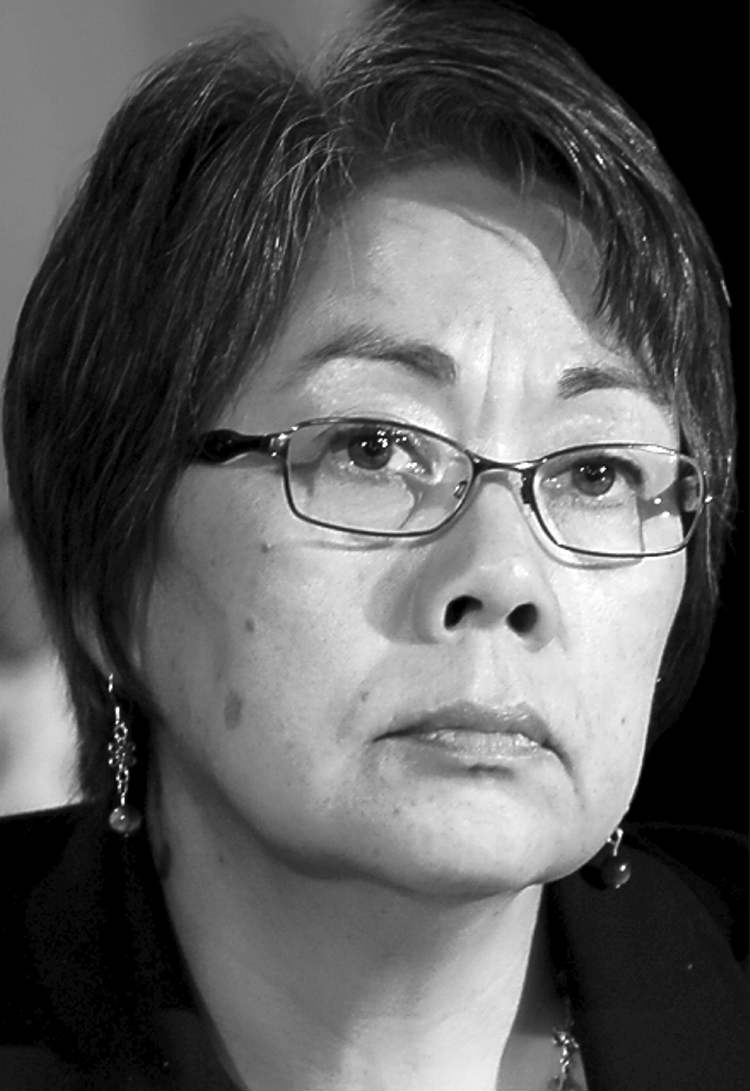
So what does it mean? Is the glass ceiling gone completely when it comes to politics in this country?
It may be shattered but there are still some shards in the way.
Shannon Sampert, a politics professor at the University of Winnipeg, says this influx of women comes after years of hard work from political parties recruiting strong female candidates. But she fears this explosion of female first ministers will mean a lot of people will think there is no longer a gender imbalance in politics.
“It’s new, it’s interesting, it’s cause for celebration,” said Sampert, “but when it comes to the number of women (elected overall), we haven’t really moved since the 1980s.”
Women fill just one in four seats or fewer in most provincial legislatures and Parliament.
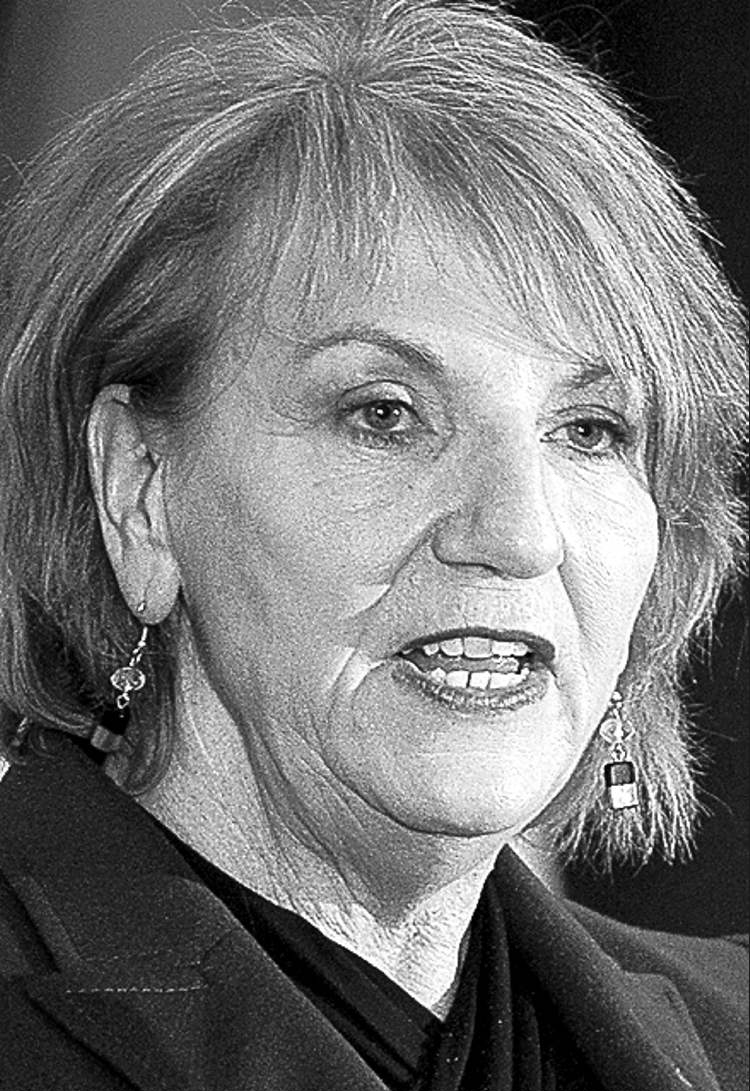
In Manitoba, the legislature hit a record in 2007 when nearly one in three elected MLAs was a woman. There was a big celebration and a lot of back-slapping. It still wasn’t parity, as women make up roughly half the population, but it was a big step in the right direction.
Four years later, Sampert says the effort to recruit women candidates fell off the priority list and the number of women elected went down from 18 of 57 to 15.
She said if the influx of women first ministers stays, it would be great, but in the past, women have been elected as leaders and disappeared just as quickly, to be replaced by men. The majority of political parties at the provincial and federal levels are still headed by men.
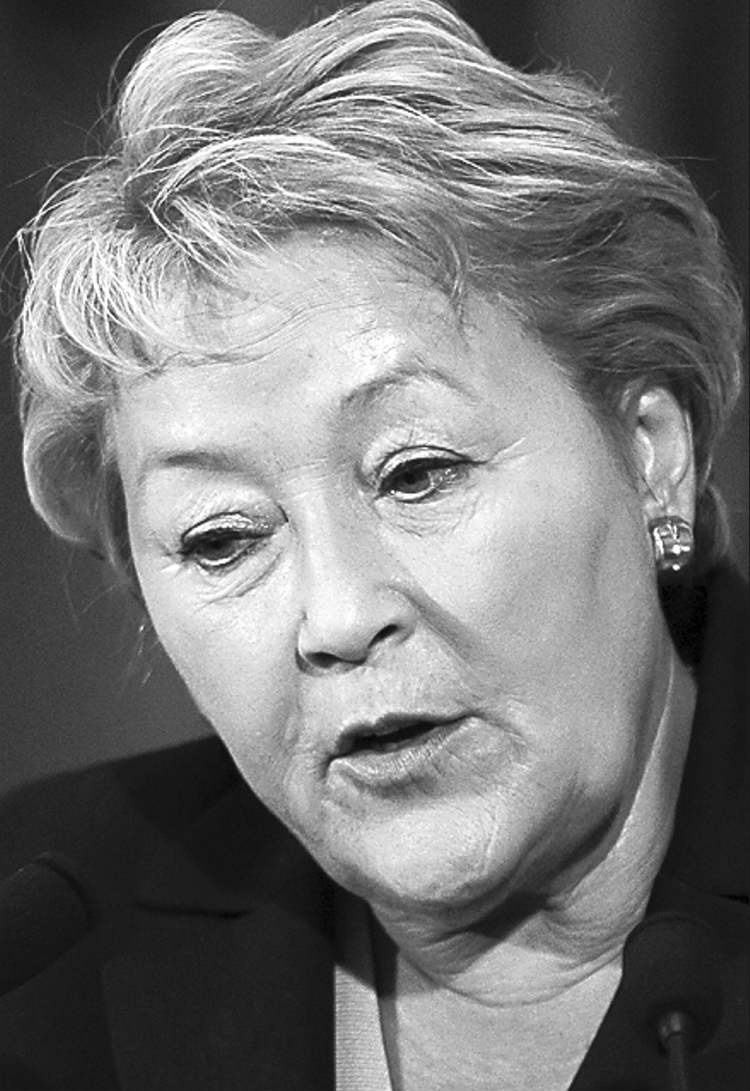
Canada has had 11 female first ministers since 1991 — 10 premiers and one prime minister.
Seven of them initially took on the role when they won a leadership contest after a sitting premier from their party stepped down. Only two — Pat Duncan in the Yukon in 2000, and Pauline Marois, last fall in Quebec, won a general election when they weren’t already sitting as premier. Only three — Catherine Callbeck in Prince Edward Island, Alison Redford in Alberta and Kathy Dunderdale in Newfoundland — have gone on to win a general election after being appointed premier by winning a party leadership contest.
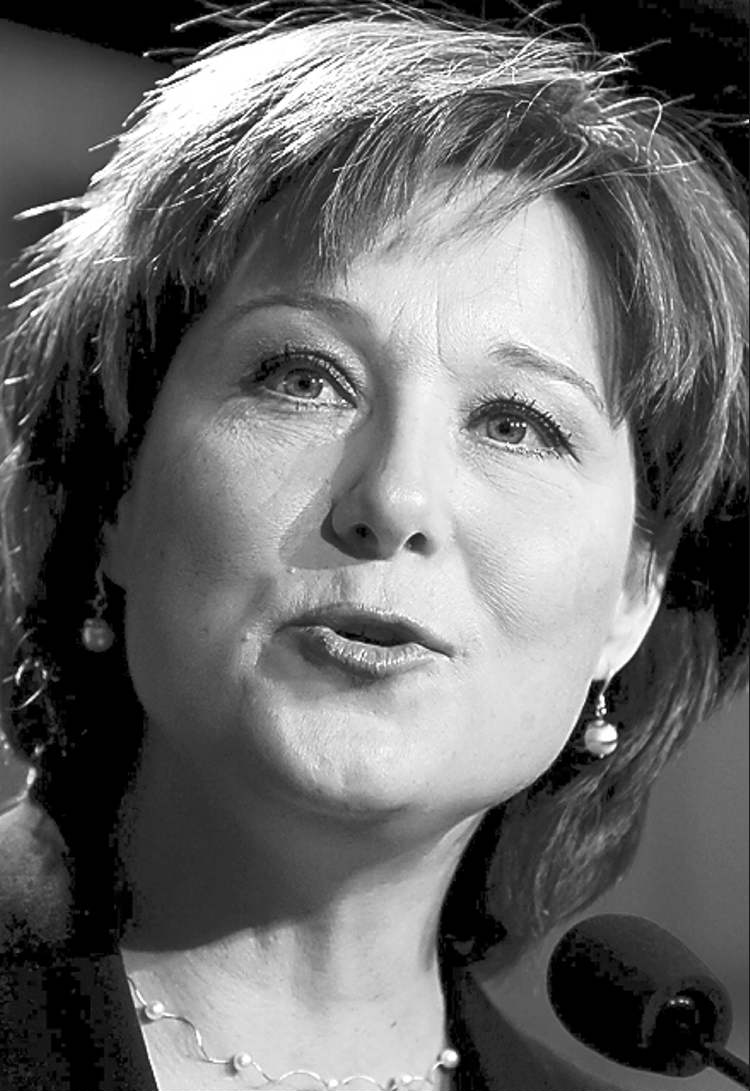
Women have never been elected in succession to a premier’s office anywhere.

The first female premier in Canada was Rita Johnston, who became B.C. premier after Bill Vander Zalm resigned in 1991. Her tenure was short, as her Social Credit Party was defeated by the NDP in a general election just a few months later. A similar fate befell Canada’s first and still only female prime minister, Kim Campbell, who took over the PMO when she won the Tory leadership in 1993, only to see her party swept out of office by the Liberals within a few months.
That critical mass of women in politics is coming, but it’s not there yet. For each step we take toward an equal showing of female and male politicians, it seems we then take a few steps back.
But the more it happens and the less it is a novelty to have a woman in power, the easier it becomes for the next women to follow suit. They set the example for others, help prove women can exist and do well in a traditionally male world and show young girls that politics is just another in a litany of career choices available and not just a place for men that women occasionally get to visit.
All this is to say we should take note of the female-premier phenomenon but not let it make us think it means gender equality in politics has arrived.
mia.rabson@freepress.mb.ca