

Mosquito Watch: Skeeter counts in Winnipeg
Advertisement
Read this article for free:
or
Already have an account? Log in here »
To continue reading, please subscribe:

Digital Subscription
One year of digital access for only $205*
- Enjoy unlimited reading on winnipegfreepress.com
- Read the E-Edition, our digital replica newspaper
- Access News Break, our award-winning app
- Play interactive puzzles
*First annual payment billed as $205.00 + GST for one year. This annual subscription will automatically renew at $233.00 + GST every 52 weeks (10% off the regular annual price of $259.35). Offer available to new and qualified returning subscribers only. Cancel any time.
To continue reading, please subscribe:
Add Free Press access to your Brandon Sun subscription for only an additional
$1 for the first 4 weeks*
- Enjoy unlimited reading on winnipegfreepress.com
- Read the E-Edition, our digital replica newspaper
- Access News Break, our award-winning app
- Play interactive puzzles
*Your next Brandon Sun subscription payment will increase by $1.00 and you will be charged $17.95 plus GST for four weeks. After four weeks, your payment will increase to $24.95 plus GST every four weeks.
Read unlimited articles for free today:
or
Already have an account? Log in here »
Hey there, time traveller!
This article was published 24/06/2013 (4852 days ago), so information in it may no longer be current.
Every day during the late spring, summer and early fall, the City of Winnipeg’s insect control branch counts the number of adult female mosquitoes that show up in traps designed capture nuisance species such as Aedes vexans, which are annoying but do not transmit diseases to human beings.
There are 24 traps in city limits, six in each quadrant of the city. The city-wide trap count for any particular day is an average of all 24 traps.
A nuisance-mosquito fogging program may commence when two conditions are met. First, the city-wide average trap count must be 25 or more for at least two consecutive days. Secondly, one city quadrant must have a trap count of 100 or more during the same time frame.
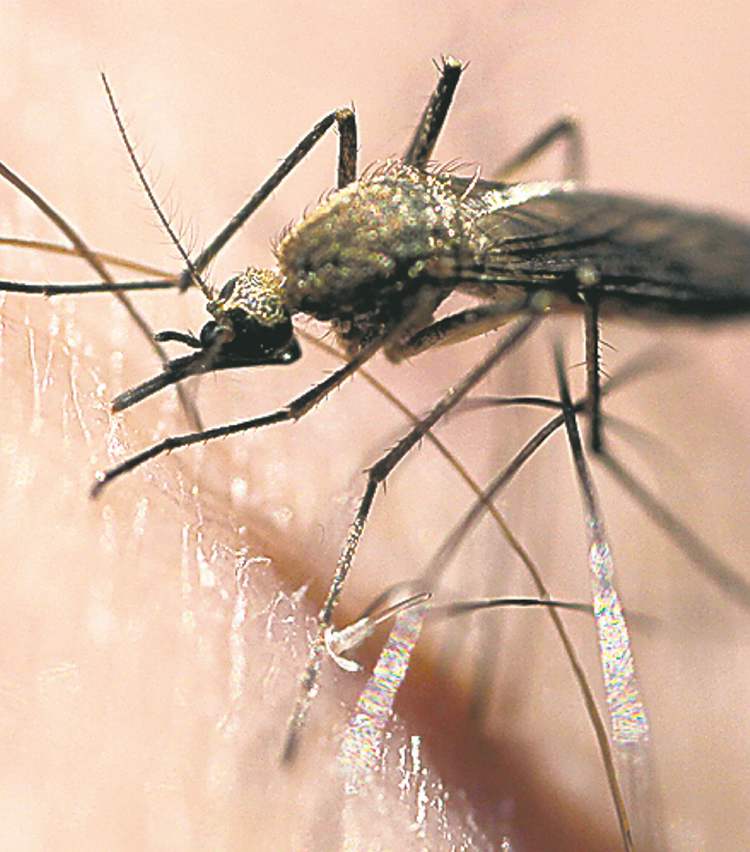
The insect control branch also has nine traps set just outside city limits, where the city may also fog. But these traps do not count toward the city-wide average.
A different type of trap and trap-count methodology is used to monitor Culex tarsalis, a mosquito species known to transmit diseases such as West Nile virus to people. The province makes decisions about West Nile-control fogging programs.
The graph above is updated daily based on the average citywide trap count information provided by the City of Winnipeg. To find out more detailed information, such as trap counts for specific quadrants or traps, visit the city’s trap count site.

How bad could it be?
Sure, there’s been an uptick in mosquitoes this year — compared to the previous two dry, buzz-free summers — but really it’s not so bad when you look at the peak weekly average trap counts for the last three decades. The graph below shows the best and worst skeeter summers since 1982, according to data provided by the City of Winnipeg.
Can’t see the graph below? Try viewing it in a new window.