

Spies, eh!
Advertisement
Read this article for free:
or
Already have an account? Log in here »
To continue reading, please subscribe:
Digital Subscription
One year of digital access for only $1.44 a week*
- Enjoy unlimited reading on winnipegfreepress.com
- Read the E-Edition, our digital replica newspaper
- Access News Break, our award-winning app
- Play interactive puzzles
*Billed as $5.77 plus GST every four weeks. After 52 weeks, price increases to the regular rate of $19.95 plus GST every four weeks. Offer available to new and qualified returning subscribers only. Cancel any time.
To continue reading, please subscribe:
Add Free Press access to your Brandon Sun subscription for only an additional
$1 for the first 4 weeks*
- Enjoy unlimited reading on winnipegfreepress.com
- Read the E-Edition, our digital replica newspaper
- Access News Break, our award-winning app
- Play interactive puzzles
*Your next Brandon Sun subscription payment will increase by $1.00 and you will be charged $17.95 plus GST for four weeks. After four weeks, your payment will increase to $24.95 plus GST every four weeks.
Read unlimited articles for free today:
or
Already have an account? Log in here »
Hey there, time traveller!
This article was published 19/10/2013 (4613 days ago), so information in it may no longer be current.
When you think of Canada, the shadowy world of international spies isn’t the first thing that comes to mind.
The boring truth is, we are a lot better known for maple syrup, slapshots and our polite population than we are for cloak-and-dagger espionage missions.
Yet here we are, the True North, Strong and Free, at the centre of a brand-new, shadowy spy scandal that is making headlines around the world.
Canada’s top-secret electronic spy agency, the Ottawa-based Communications Security Establishment Canada, is being accused of mounting a sophisticated spy operation against Brazil’s Ministry of Mines and Energy.
The claim stems from documents leaked to Brazilian media by Edward Snowden, a former contractor with the National Security Agency, the U.S. counterpart to Canada’s CSEC, which monitors foreign computer, satellite, radio and telephone traffic for intelligence of interest to Canada.
At issue is whether Canada is secretly gathering information abroad that could benefit its mining and energy companies. You may be surprised to learn, however, that Canada has a long history of spies and spy scandals, including the following five, which you should read quickly before they burst into flames:
1
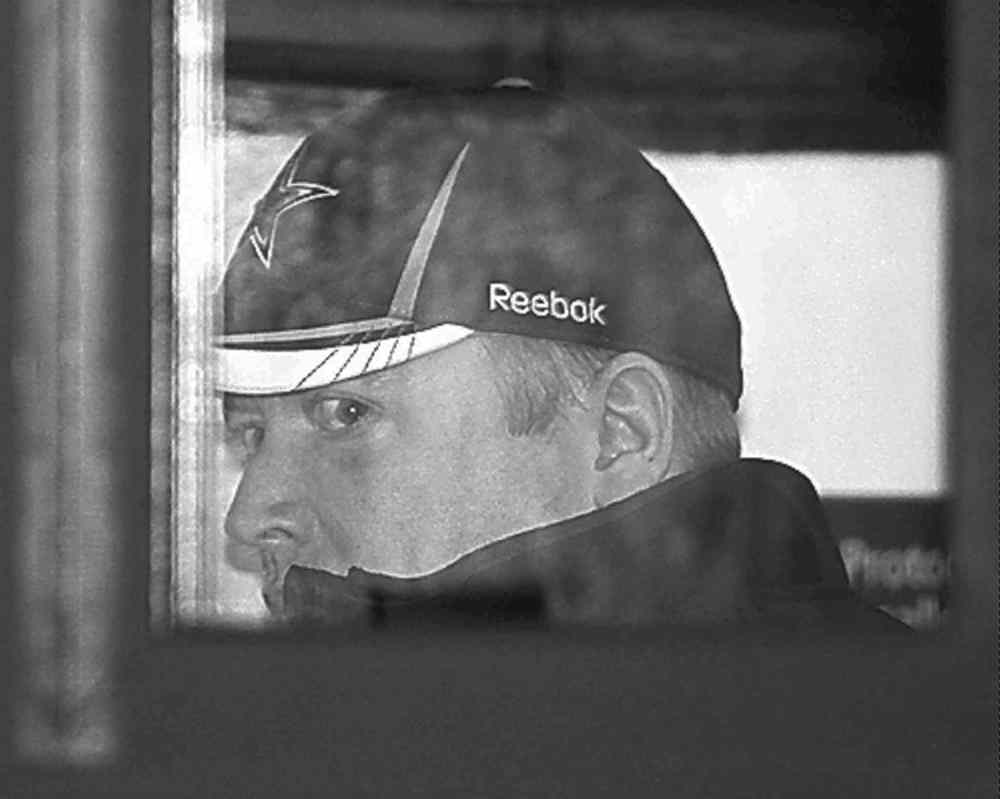
This year’s nightmare season is not the only blot on the Bombers’ record. In July 2009, a scout with ties to our local CFL squad was caught taking notes and scribbling plays into a notebook at a Hamilton Tiger-Cats practice prior to a game. According to news reports, the scout, who identified himself as Ron Trentini, was caught in the act by Ticats president Scott Mitchell and escorted from the stadium after 12 pages of notes were confiscated. “It was his own doing and as soon as it was reported to us we sent an apology to the Ticats,” then-Bomber assistant general manager Ross Hodgkinson said at the time. As for the Ticats, then-GM Bob O’Billovich reportedly snorted: “It blows my mind that the guy would be dumb enough to walk into our stadium and take notes and think he wouldn’t be recognized.”
1
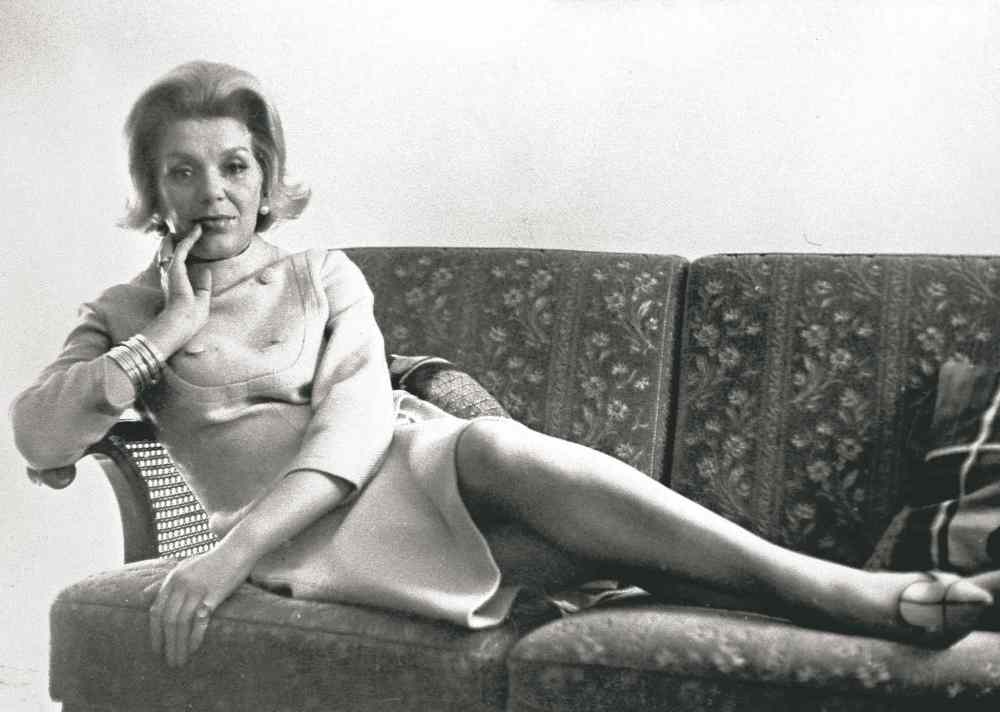
Canada’s first major political sex scandal involved Gerda Munsinger, an alleged East German prostitute and Soviet spy living in Ottawa who admitted to sleeping with a number of ministers in John Diefenbaker’s cabinet. Most notably, between 1958 and 1961, Pierre Sevigny, Diefenbaker’s associate minister of national defence, had an affair with Munsinger. According to The Canadian Encyclopedia, U.S. intelligence officials warned the RCMP Munsinger posed a security threat. The RCMP informed then-justice minister Davie Fulton, who warned Diefenbaker, who reprimanded Sevigny. It all hit the fan years later when then-Liberal justice minister Lucien Cardin, furious over Tory taunts about security leaks, blurted Munsinger’s name on March 4, 1966, in the Commons. Back in Germany, Munsinger admitted the affairs but denied spying. A royal commission later scolded Diefenbaker but found no security breach.
1
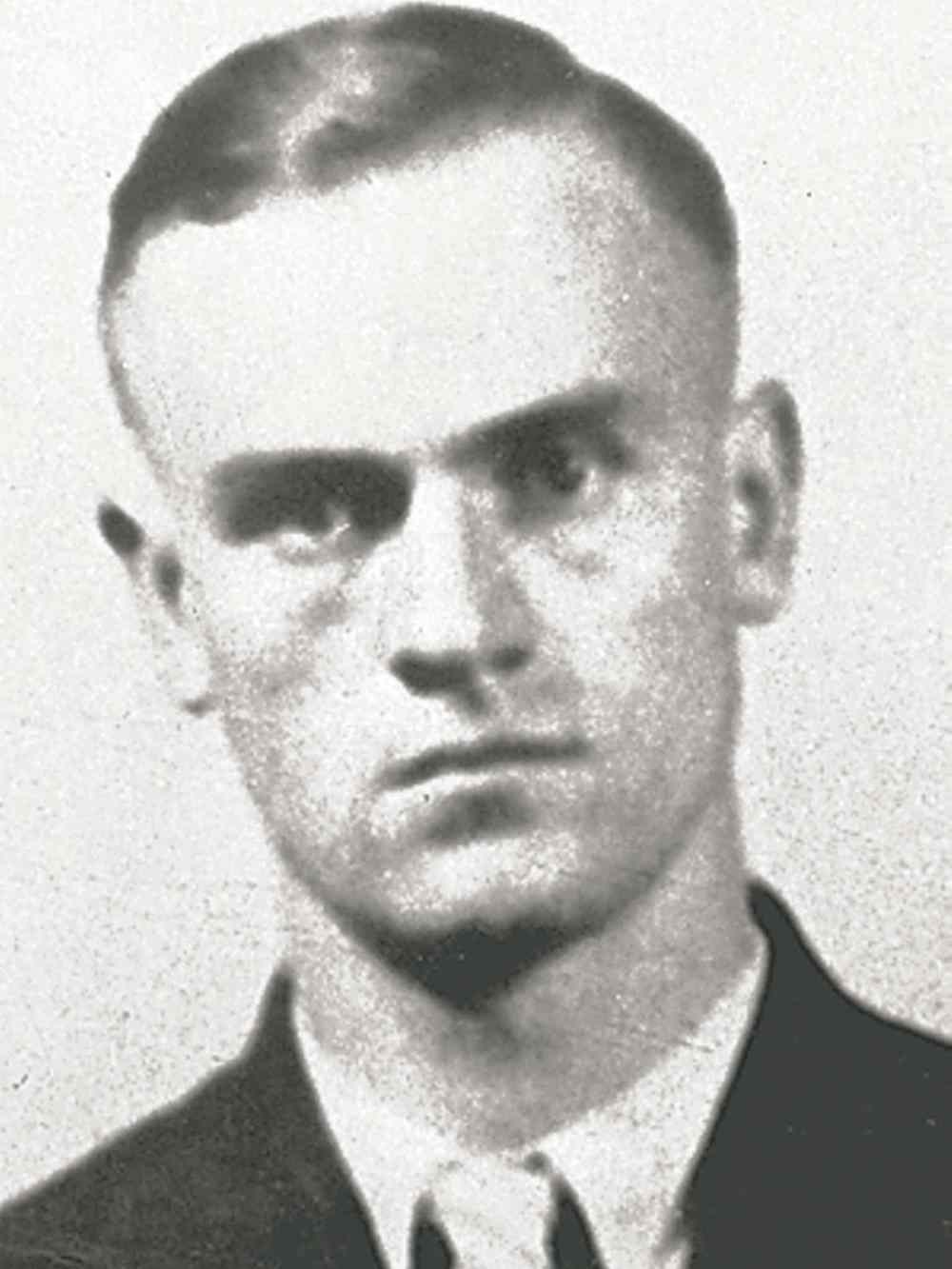
Few covert affairs have rattled the North American security establishment as much as the one involving former navy sub-lieutenant Jeffrey Paul Delisle. In 2007, according to news reports, Delisle — a father of four who was going through a divorce at the time — walked into the Russian Embassy in Ottawa, flashed his military ID and asked to speak with an intelligence agent. A month later, he began sending the Russians classified information for about $3,000 a month. Arrested in January 2012, he was sentenced earlier this year to 20 years in prison. As a threat-assessment officer at Trinity, an ultra-secret intelligence unit in Halifax, Delisle had access to some of the West’s most closely guarded secrets. He used a floppy disk and thumb drive to copy and smuggle secret information to his Russian handlers.
1
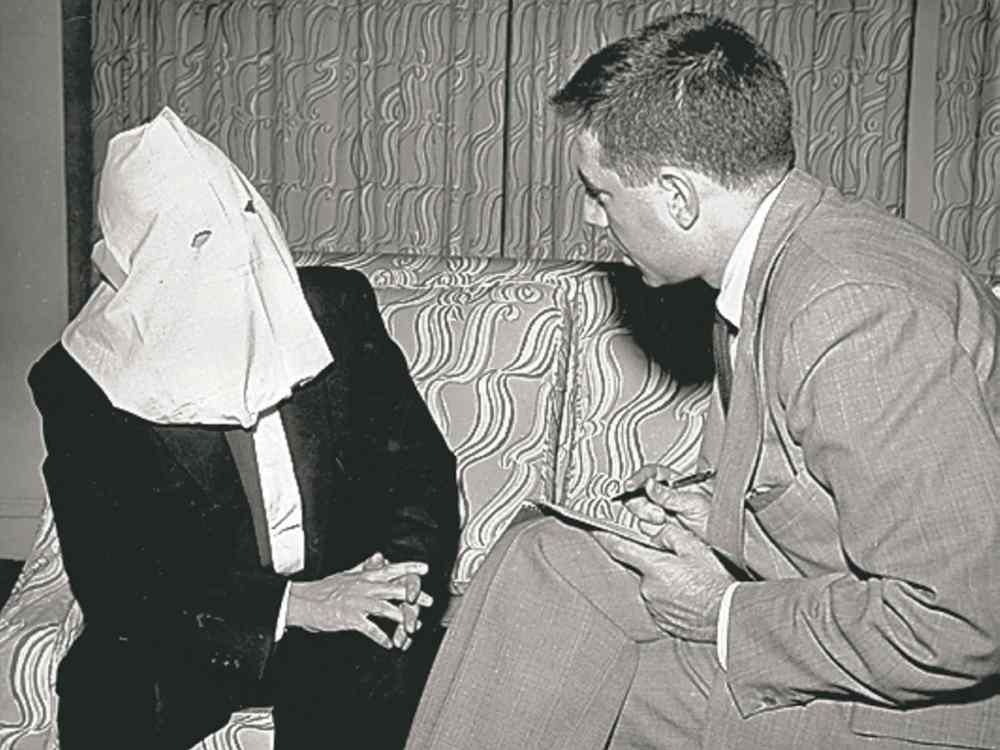
On Sept. 5, 1945, a Russian cipher clerk walked into an Ottawa newsroom and declared he had proof of a widespread Soviet spy ring operating in Canada. “It’s war. It’s Russia,” Igor Gouzenko famously informed the confused night editor of the Ottawa Journal. Before fleeing the Soviet Embassy, Gouzenko, angry at being ordered back to the Soviet Union, had stuffed under his shirt 109 documents confirming Soviet espionage activities in the West, shocking revelations that helped ignite the Cold War. Initially, no one believed his story, but after eluding capture from Soviet agents, he eventually was offered asylum in Canada. Later, in TV interviews, Gouzenko famously wore a hood over his face to conceal his identity. He died in 1982.
1

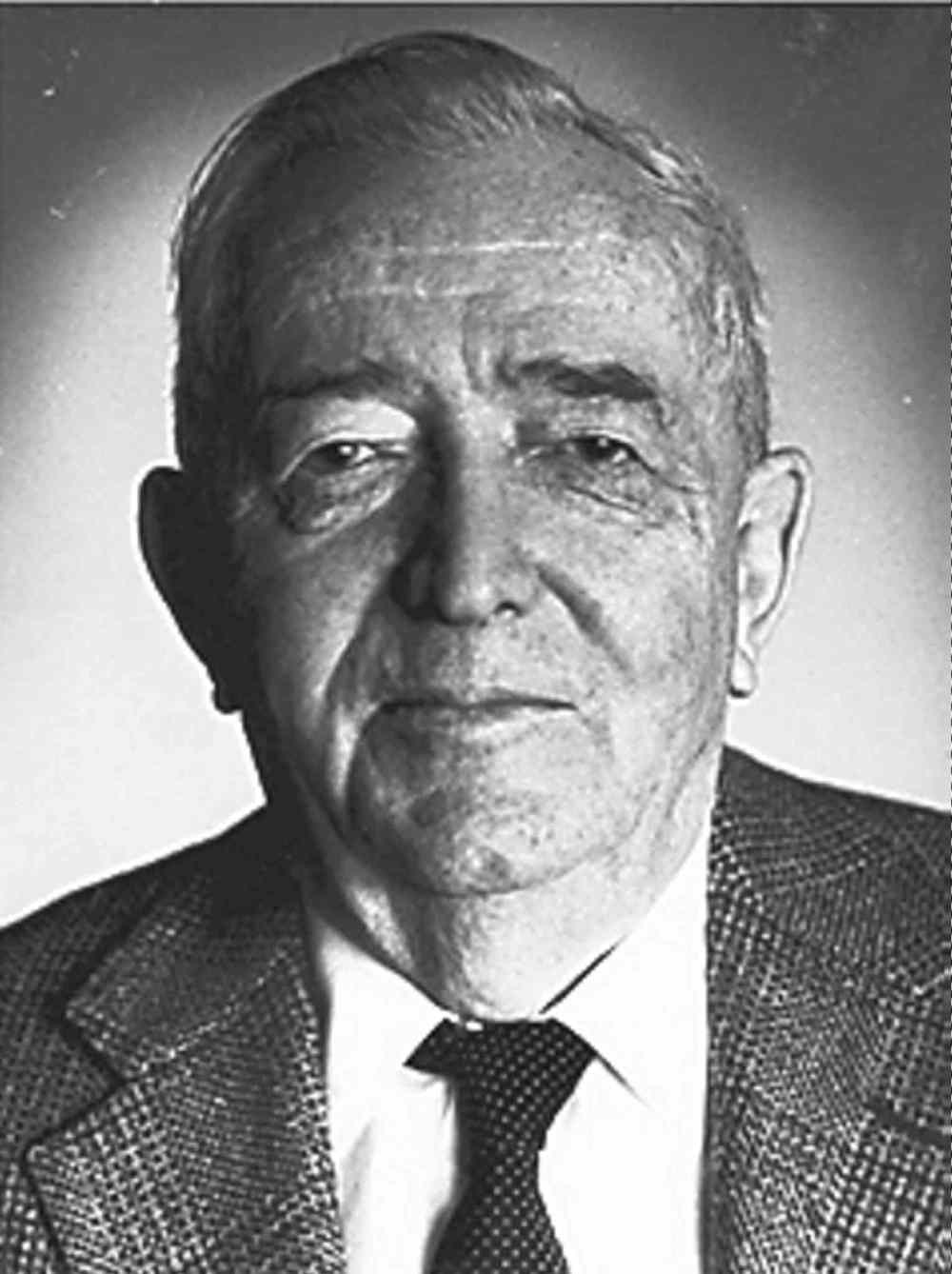
Born into a poverty-stricken Point Douglas family in 1897, Sir William Stephenson — better known as The Man Called Intrepid — was a telegraph operator and First World War airman who became a wealthy industrialist in the lead-up to the Second World War. In the fight against the Nazis, then-British prime minister Winston Churchill tapped him to create an intelligence-gathering network that cracked Nazi codes and shortened the war. He is also credited with helping persuade the U.S. to create the forerunner of the CIA and training thousands of Allied spies. It’s widely believed author Ian Fleming incorporated aspects of Stephenson into the characters in his Bond novels. Knighted in 1945, he became the first non-U.S. citizen to receive the Presidential Medal for Merit. There is a statue of him at CIA headquarters in Virginia. In 2009, Winnipeg renamed Water Avenue in his honour. He died in Bermuda in 1989 at the age of 93.
YOUR FINAL ORDERS
We hope you found this top-secret exposé enlightening. Just don’t share it with anyone, because then we’d have to kill you!
doug.speirs@freepress.mb.ca