

In the danger zone

Advertisement
Read this article for free:
or
Already have an account? Log in here »
To continue reading, please subscribe:

Digital Subscription
One year of digital access for only $205*
- Enjoy unlimited reading on winnipegfreepress.com
- Read the E-Edition, our digital replica newspaper
- Access News Break, our award-winning app
- Play interactive puzzles
*First annual payment billed as $205.00 + GST for one year. This annual subscription will automatically renew at $233.00 + GST every 52 weeks (10% off the regular annual price of $259.35). Offer available to new and qualified returning subscribers only. Cancel any time.
To continue reading, please subscribe:
Add Free Press access to your Brandon Sun subscription for only an additional
$1 for the first 4 weeks*
- Enjoy unlimited reading on winnipegfreepress.com
- Read the E-Edition, our digital replica newspaper
- Access News Break, our award-winning app
- Play interactive puzzles
*Your next Brandon Sun subscription payment will increase by $1.00 and you will be charged $17.95 plus GST for four weeks. After four weeks, your payment will increase to $24.95 plus GST every four weeks.
Read unlimited articles for free today:
or
Already have an account? Log in here »
Hey there, time traveller!
This article was published 21/06/2014 (4416 days ago), so information in it may no longer be current.
DADAAB, Kenya — “If there’s an attack, stay in your house unless it’s on fire. Hide under the bed and wait for instructions.”
I thought the safety adviser was kidding.
He continued: Avoid entering the “blocks” of the refugee camps. If you must go, have four heavily armed police officers in the vehicle in front of you and four behind you and get in and out quickly, he said. And if the vehicle’s hit, lie low.
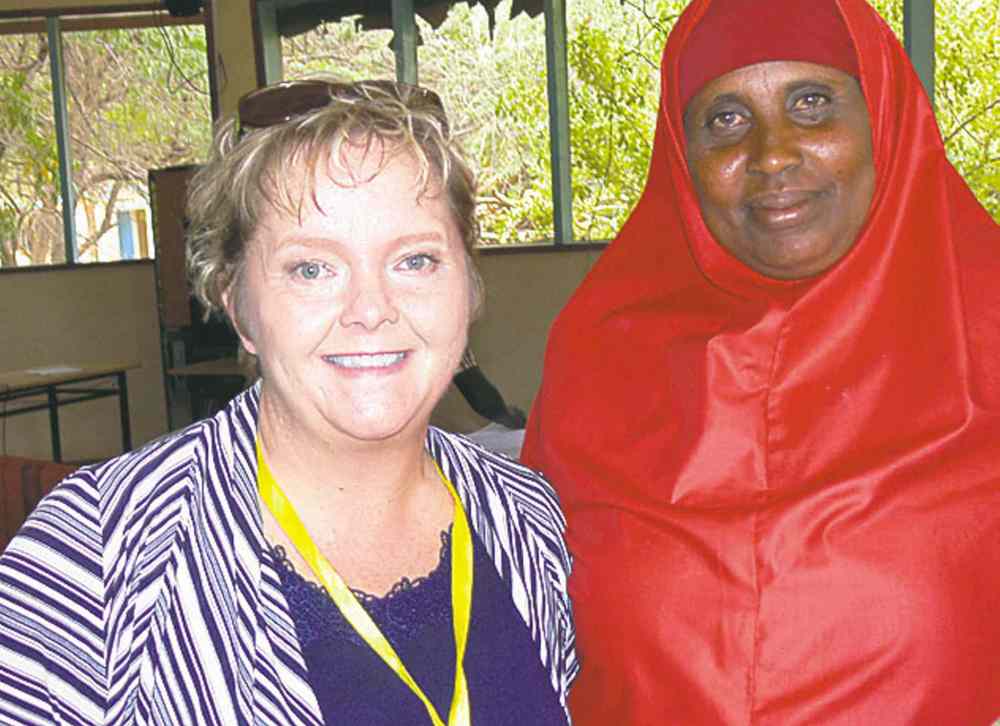
That formed the basis of the security briefing I received when I arrived at the United Nations High Commissioner for Refugees’ compound in Dadaab. Safety expert Michael Makova wasn’t kidding.
I’d come to the world’s largest refugee camp in northeast Kenya to meet loved ones of Winnipeggers who want to bring them to Canada. And to meet the Winnipeg man in charge of the massive UNHCR humanitarian operation.
I had to see for myself where and how the refugees live, but not become the story as another kidnapped reporter.
Late May was an intense time to be in Kenya. The former British colony is experiencing its own 9/11 right now, with hyper-vigilant security forces trampling human rights in the fight against terrorism. Attacks such as last year’s Al Shabaab bloodbath at Westgate Mall in upscale Nairobi attracted global attention the tourism-reliant Kenya didn’t need.
(Al Shabaab struck again earlier this week, killing at least 49 people in raids on hotels and a police station in Mpeketoni, which is about 200 kilometres from Dadaab.)
Meanwhile, Kenya’s government is dealing with charges of corruption and incompetence.
The day I left Nairobi — Kenya’s capital of more than three million people — I had to bribe a poorly paid police officer threatening to arrest me for taking photos of Property Not for Sale signs outside the posh Canadian Embassy. That night, the power kept going out at the international airport, casting the terminal in darkness.
Insecurity is the biggest issue, and Kenya appears to be taking its frustrations out on the huge refugee population that’s flooded into the country over the last 20 years in search of peace and to escape from famine.
Canada, meanwhile, has taken a less welcoming approach to refugees, referring to asylum-seekers as queue-jumpers and strictly limiting the number of new private sponsorships. Canada’s visa office in Nairobi, which handles applications for people from 18 countries, will no longer conduct video conferences or in-person interviews with applicants in Dadaab. Refugees afraid of being scooped up by Usalama Watch — a crackdown targeting terrorists but that’s also scooping up refugees and pretty much anyone who doesn’t look Kenyan — are scared to move around Nairobi, never mind travel to Canada’s visa office located in its richest enclave.
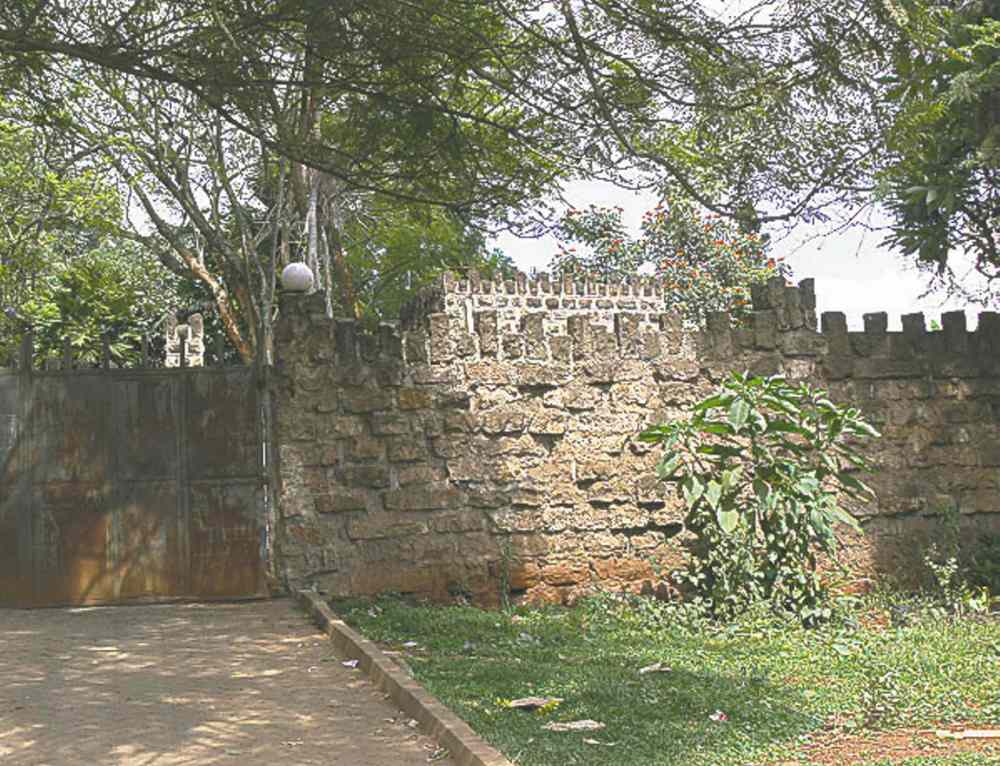
What’s a refugee, many with connections to Winnipeg, to do?
With a burgeoning refugee population — now more than 357,000 — what’s the world agency tasked with keeping them safe to do?
I went to find out.
The UNHCR recommended a “fixer” in Dadaab — a Somali-Kenyan who helped line up vehicles, drivers and off-duty police officers to ride shotgun. His name was Abdi.
Outside the police station in Dadaab is the carcass of a bombed-out police vehicle. Remote-controlled IEDs (improvised explosive devices) on the road have been a problem in Dadaab, Abdi explained.
“You see a guy drinking tea waiting for the police car to go by then ‘pop!’ ” he said.
Travelling in locally owned civilian vehicles is a safety precaution, he advised. “If something happened, Somalis will know who did that, and there will be payback. It’ll be ‘Which clan carjacked that vehicle and took that white girl?’ “
Abdi notified the refugees with Winnipeg connections in the Dagahaley and Ifo refugee camps to let them know when we were coming but cautioned them keep it a secret.
“I tell them not to tell anyone we’re coming. ‘It’s going to be dangerous for us and jeopardize your story of having a chance of going anywhere.’ “
It wouldn’t take long for a group to outgun and outnumber our modest convoy armed with eight G3 assault rifles and hand grenades, he said.
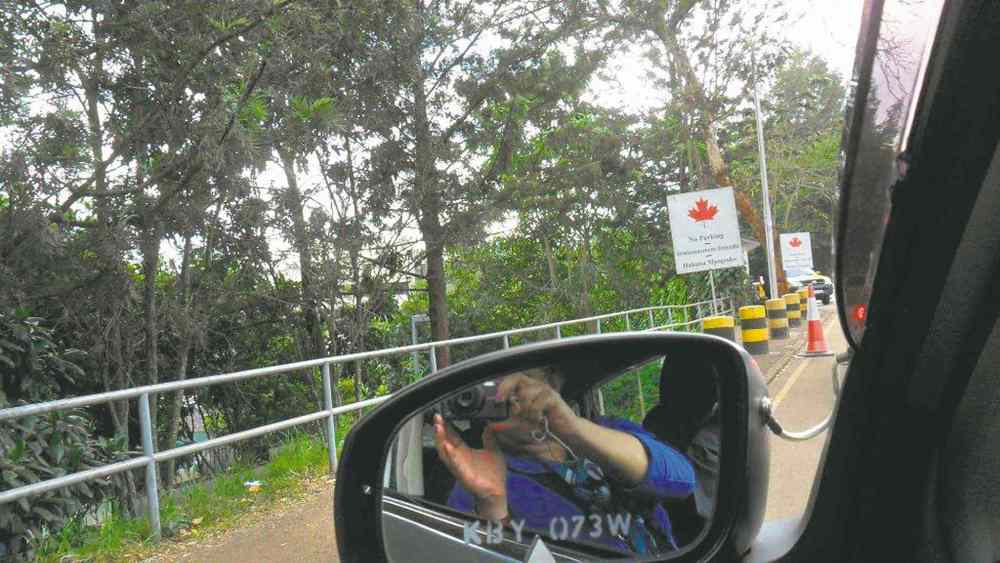
My driver, Warsame, was not a police officer but a local Somali-Kenyan. For once, the vehicle’s NO FEAR stickers, which tout an American action sport apparel company of the same name, seemed justified. Another sticker on his visor offered encouragement: “I will use the stones that my enemies throw at me to build my own foundation.”
The 45-minute drive to the Dagahaley and Ifo camps was over a rough road snaking around scrub brush, giant anthills and craters where roads used to be. We met the people I wanted to interview at the main office of the camps and had them direct us to their courtyards and huts. Their tidy but sparse homes were burrowed deep inside a densely packed maze of humanity. When crowds started to gather, we had to go.

I didn’t feel threatened during the visits and wish I could’ve stayed longer. But after Abdi’s warning and my initial security briefing, I was relieved to get out of there.
carol.sanders@freepress.mb.ca
Carol Sanders
Legislature reporter
Carol Sanders is a reporter at the Free Press legislature bureau. The former general assignment reporter and copy editor joined the paper in 1997. Read more about Carol.
Every piece of reporting Carol produces is reviewed by an editing team before it is posted online or published in print — part of the Free Press‘s tradition, since 1872, of producing reliable independent journalism. Read more about Free Press’s history and mandate, and learn how our newsroom operates.
Our newsroom depends on a growing audience of readers to power our journalism. If you are not a paid reader, please consider becoming a subscriber.
Our newsroom depends on its audience of readers to power our journalism. Thank you for your support.
Carol Sanders
Legislature reporter
Carol Sanders is a reporter at the Free Press legislature bureau. The former general assignment reporter and copy editor joined the paper in 1997. Read more about Carol.
Every piece of reporting Carol produces is reviewed by an editing team before it is posted online or published in print — part of the Free Press‘s tradition, since 1872, of producing reliable independent journalism. Read more about Free Press’s history and mandate, and learn how our newsroom operates.
Our newsroom depends on a growing audience of readers to power our journalism. If you are not a paid reader, please consider becoming a subscriber.
Our newsroom depends on its audience of readers to power our journalism. Thank you for your support.
Advertisement Advertise With Us
Advertisement Advertise With Us