

A hell of a time
Canadian prison system could learn from more humane models, ex-inmate says
Advertisement
Read this article for free:
or
Already have an account? Log in here »
To continue reading, please subscribe:
Monthly Digital Subscription
$1 per week for 24 weeks*
- Enjoy unlimited reading on winnipegfreepress.com
- Read the E-Edition, our digital replica newspaper
- Access News Break, our award-winning app
- Play interactive puzzles
*Billed as $4.00 plus GST every four weeks. After 24 weeks, price increases to the regular rate of $19.95 plus GST every four weeks. Offer available to new and qualified returning subscribers only. Cancel any time.
Monthly Digital Subscription
$4.99/week*
- Enjoy unlimited reading on winnipegfreepress.com
- Read the E-Edition, our digital replica newspaper
- Access News Break, our award-winning app
- Play interactive puzzles
*Billed as $19.95 plus GST every four weeks. Cancel any time.
To continue reading, please subscribe:
Add Free Press access to your Brandon Sun subscription for only an additional
$1 for the first 4 weeks*
*Your next subscription payment will increase by $1.00 and you will be charged $16.99 plus GST for four weeks. After four weeks, your payment will increase to $23.99 plus GST every four weeks.
Read unlimited articles for free today:
or
Already have an account? Log in here »
Hey there, time traveller!
This article was published 06/11/2016 (3436 days ago), so information in it may no longer be current.
Two men with violent, criminal pasts are cleaning up their lives, but they have been given very different tools to do so.
Winnipeg’s Scott Osesky and Norway’s Trond Henriksen don’t know each other, but they share a common bond: they’ve both served time in prison. Between them, they’ve logged more than 40 years behind bars. But their experiences differ greatly because the two countries they hail from have very different philosophies on what incarceration is for.
The purposes of sentencing in Canada are to make the punishment equal to society’s disgust for the crime, to deter people from committing crimes, to protect the public and to rehabilitate offenders, the Criminal Code states. Norway’s system focuses mainly on the latter — and the results are causing experts to take notice.
Criminologists around the world are studying Norway’s system because the country boasts a low recidivism rate: 20 per cent.
Manitoba’s reoffending rate was 66 per cent in 2015, a report by the John Howard Society and the Canadian Centre for Policy Alternatives states.
Norway’s philosophy has created humane prisons that resemble college dorms rather than jail cells. The conditions in these prisons are helping criminologists understand the disparity in recidivism numbers.
“If anyone was treated in that more humane kind of way, it would affect their behaviour after they were done their sentence and came out,” said Russell Smandych, a professor of criminology at the University of Manitoba.
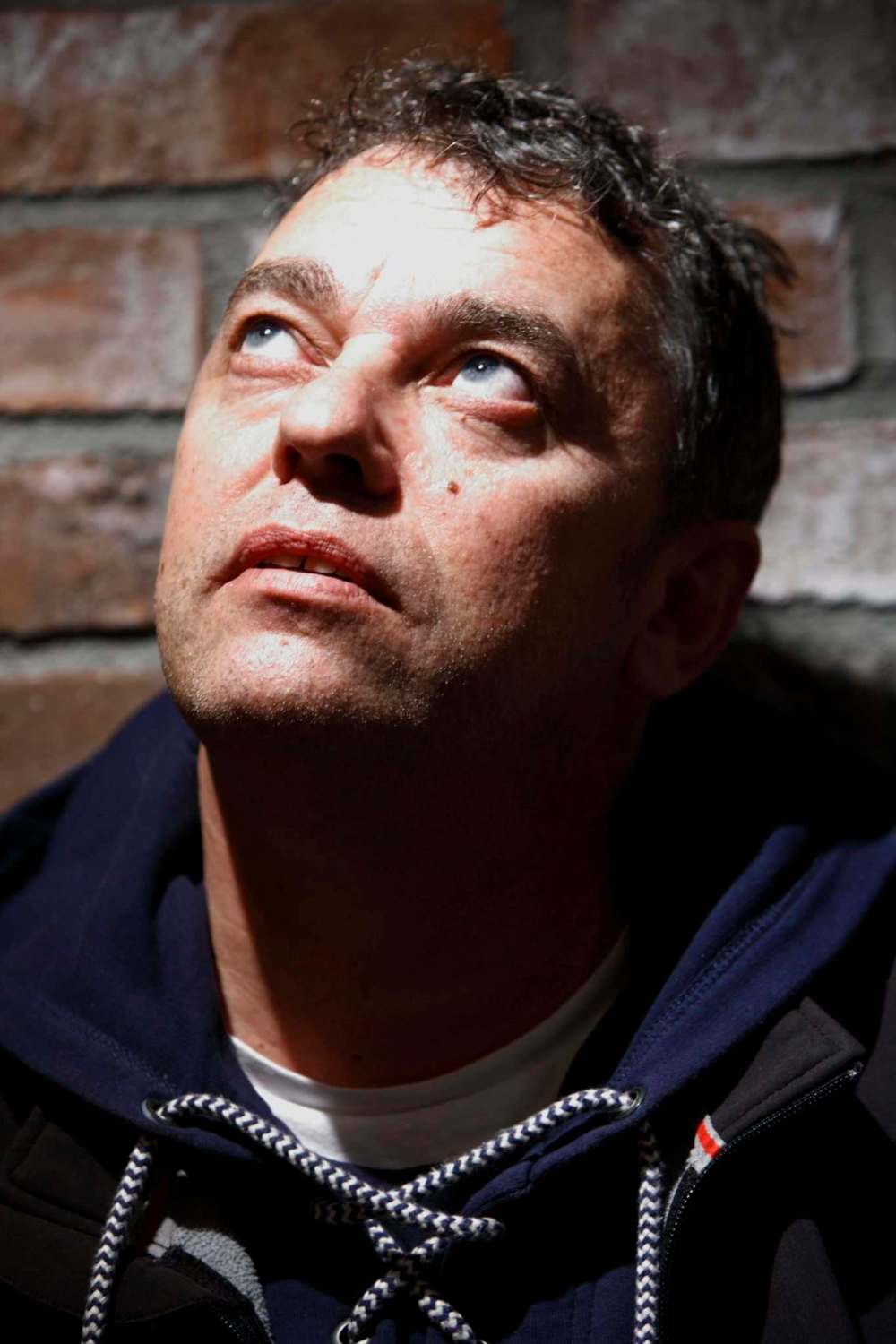
Few know this as well as a man Norwegian newspapers once labelled “Norway’s most dangerous guy.” Trond Henriksen’s past is riddled with criminal offences. He ended up in Halden Prison, often called the most humane jail in the world because of its comfort.
When Henriksen walked into the prison for the first time in 2010, he saw white walls and new furniture. The rooms are spacious, the hallways wide and the cells furnished with single beds, desks and shelving units.
Large glass windows let in natural light and give prisoners a view of nature. Common areas have couches, video games and dartboards. Inmates can cook in fully equipped kitchens.
When it is time for dinner, the prisoners sit down with the guards to eat together.
“It was very nice. I liked that,” Henriksen said.
The guards wished the prisoners well and wanted to help them, he explained.
They didn’t seem to hold Henriksen’s criminal charges — a bank robbery, the kidnapping of a police officer and gang activity — against him.
Neither did the prison’s governor, Are Hoidel. Hoidel helped Henriksen enrol in the prison’s drug-rehabilitation program. Halden Prison uses Canada’s national substance-abuse program. It consists of 89 group sessions and several individual meetings that are each two hours long.
Hoidel asked Henriksen to go on-air in the jail’s recording studio. Halden broadcasts its own station, Radio Inside. It’s one of the prison’s programs that teach inmates employable skills.
Prisoners can also learn to do woodworking, retail customer service and assemble products. They can go to school and borrow books from the prison’s library.
After his release from Halden, Henriksen became a popular radio DJ, a community worker and a successful author.
“I think if you give people trust, they will also give you trust back. It’s very simple, but it’s like that. If you treat people like animals, they will be animals,” Henriksen said.
‘If you treat peoplelike animals,they will be animals’– former Norwegian inmate Trond Henriksen
Scott Osesky said he felt like an animal in Canadian prisons.
The first time he walked into Stony Mountain Institution, he heard screaming. He smelled stale, dead air as he moved towards his cell, which had bars instead of the more modern sealed doors, Osesky said.
It was cold and grey, he said.
Osesky said he could spread his arms and touch both sides of his cell. He slept on a bed made for no one over 5-6, with a mattress that was roughly 3.8 centimetres thick on top of a steel frame, he said. In the minimum-security unit, Osesky had TV — and that was about it.
“But there’s only so much TV you can watch,” he said.
The maximum-security prisons Osesky spent stints in didn’t have that luxury.
Osesky became very familiar with his cell, spending most of his time there when he wasn’t allowed to go to the gym or yard.
Inmates who worked could leave their cells for eight hours a day. The jobs available to Scott were clothes-making, metal-working or cleaning cells, he said.
After five years of refusing to work, he grabbed a seat in the metal shop just to get out of his cell.
Osesky welded prison tables and chairs. He made $52 every two weeks, he said.
Osesky said he’s a former high-ranking Winnipeg gang member. He was arrested for his criminal activity in this role.
Alcoholics Anonymous and other drug-rehabilitation groups delivered their programs to the prison, but the workers couldn’t come in during lockdown, which Osesky said, happened a lot. The longest lockdown Osesky endured was 49 days.
“That’s rough on your head,” he said, shaking his own.
Osesky said he just tried not to go crazy.
When dinnertime rolled around during lockdown, the guards sandwiched inmates’ food between two paper plates and slipped them between the bars. If the inmate wasn’t there fast enough to catch it, the food would fall on the ground, said Osesky.
“They’d just treat you like a number,” said Osesky, pulling out his federal prison card.
“924846C. That’s what you are. That’s what you are. I’ve had this number since 1982. It follows me for the rest of my life.”
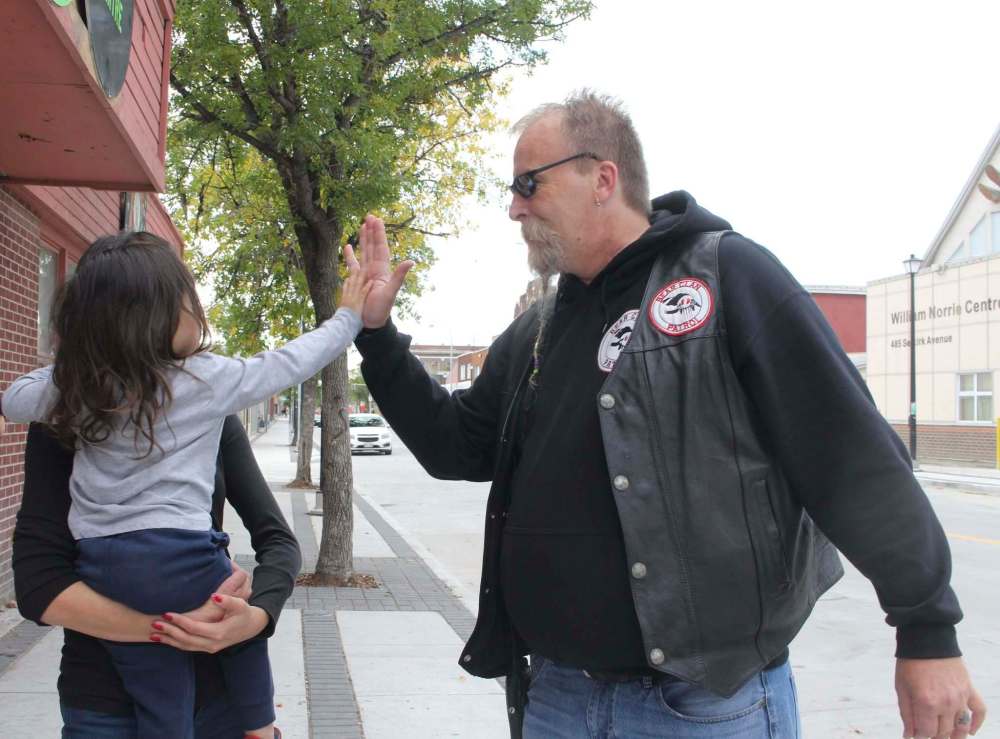
Osesky left prison 18 months ago. With an $18 cheque to his name, he nearly went back to selling drugs. Instead, he joined the Bear Clan Patrol, a volunteer group that helps people on Winnipeg streets stay safe. But he struggles financially.
“It’s hard to get employment because I’m not bondable,” he said.
Osesky said he didn’t get an education while in prison, where inmates interested in pursuing one must pay for it. He spent most of his biweekly $52 at the canteen to keep up his strength.
Smandych said it’s “common sense” that treating prisoners inhumanely makes them more likely to reoffend. It would be difficult for Canada to adopt a system similar to Norway’s, he said.
“It would take a change in dominant Canadian thinking about how to treat prisoners,” he said.

But Henriksen thinks the change is worth it for both criminals and society.
Who would you want as your neighbour — the guy who has been educated, treated well and rehabilitated or the guy who hasn’t, he asked.
Stefanie Lasuik is a senior journalism student in the creative communications program at Red River College. This article was the product of a feature-writing assignment.
Twitter: @slasuik