

China blacklists Winnie the Pooh
Advertisement
Read this article for free:
or
Already have an account? Log in here »
To continue reading, please subscribe:
Digital Subscription
One year of digital access for only $75*
- Enjoy unlimited reading on winnipegfreepress.com
- Read the E-Edition, our digital replica newspaper
- Access News Break, our award-winning app
- Play interactive puzzles
*Billed as $5.77 plus GST every four weeks. After 52 weeks, price increases to the regular rate of $19.95 plus GST every four weeks. Offer available to new and qualified returning subscribers only. Cancel any time.
Monthly Digital Subscription
$4.99/week*
- Enjoy unlimited reading on winnipegfreepress.com
- Read the E-Edition, our digital replica newspaper
- Access News Break, our award-winning app
- Play interactive puzzles
*Billed as $19.95 plus GST every four weeks. Cancel any time.
To continue reading, please subscribe:
Add Free Press access to your Brandon Sun subscription for only an additional
$1 for the first 4 weeks*
- Enjoy unlimited reading on winnipegfreepress.com
- Read the E-Edition, our digital replica newspaper
- Access News Break, our award-winning app
- Play interactive puzzles
*Your next Brandon Sun subscription payment will increase by $1.00 and you will be charged $17.95 plus GST for four weeks. After four weeks, your payment will increase to $24.95 plus GST every four weeks.
Read unlimited articles for free today:
or
Already have an account? Log in here »
Hey there, time traveller!
This article was published 18/07/2017 (3231 days ago), so information in it may no longer be current.
Winnie the Pooh, the beloved children’s icon, has been blacklisted in China following comparisons between the pot-bellied bear and China’s president, the Financial Times reported.
The character’s name in Chinese was censored in posts on Sina Weibo, a social-media platform similar to Twitter, while a collection of Winnie the Pooh gifts vanished from social messaging service WeChat, according to the newspaper.
Any attempts to post Pooh’s Chinese name on Weibo prompted a message: “Content is illegal.”
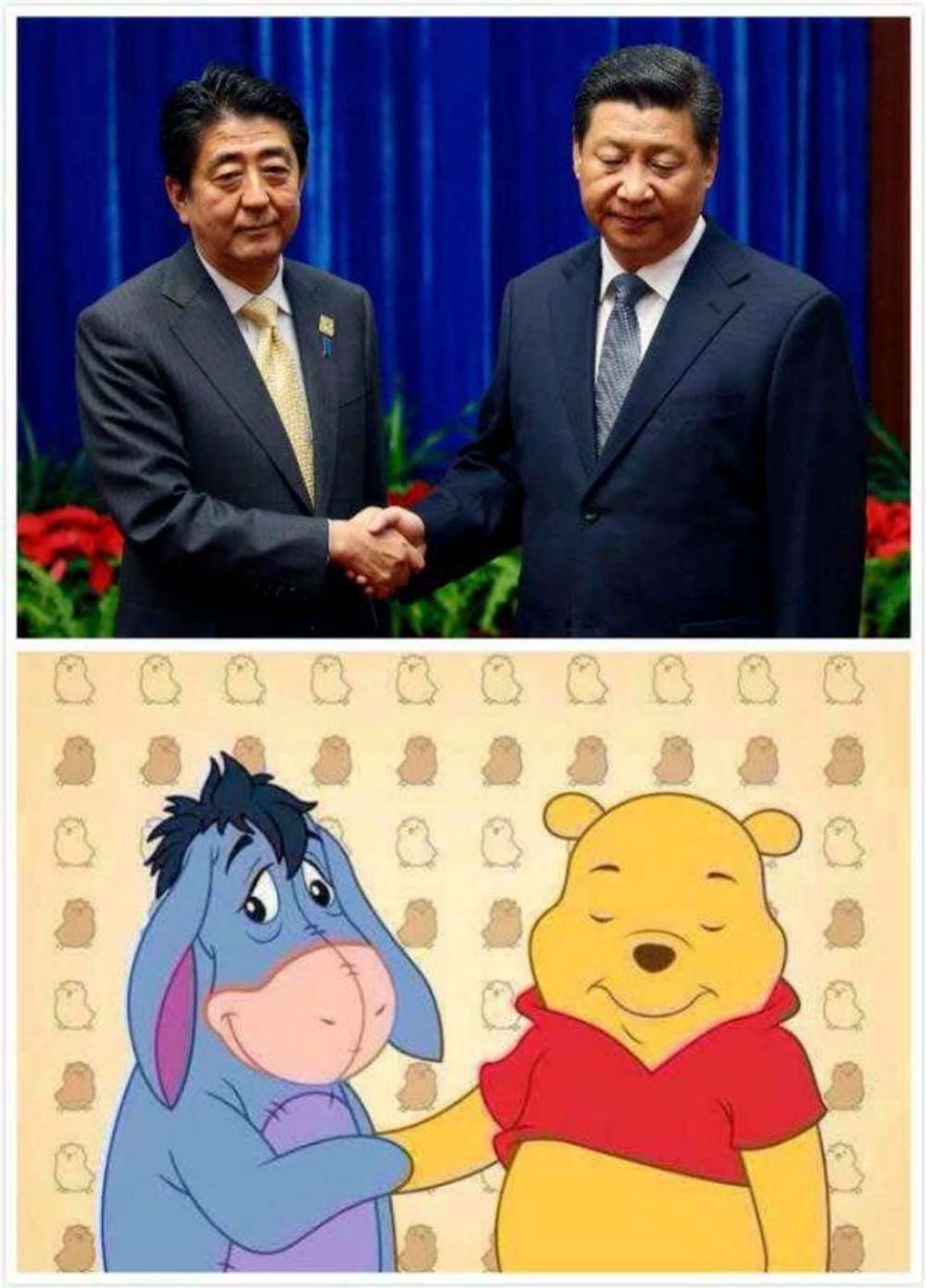
The reasons for China’s Pooh ban remain unclear, the Times said, but it may or may not have to do with previous online comparisons of the pants-less bear to Chinese President Xi Jinping.
Memes pairing Pooh with Xi first surfaced in 2013 after Xi took a stroll with former U.S. president Barack Obama, whose thin frame reminded some of Tigger, Pooh’s taller companion. A later meme cast Xi as Pooh alongside Japanese Prime Minister Shinzo Abe, portrayed as the diffident Eeyore.
In fact, the Times noted, a meme of Xi protruding from a car next to an image of Winnie the Pooh doing the same became the “most censored image of 2015,” according to Global Risk Insights, which examines political risk.
China’s problem with Pooh marks yet another act of censorship ahead of this fall’s 19th National Congress of the Communist party, an event where important political appointments will be named.

It’s not uncommon for China’s censors to add words to their blacklists around major events.
Qiao Mu, an assistant professor of media at Beijing Foreign Studies University, told the Times that some online users had been detained after commenting on the president.
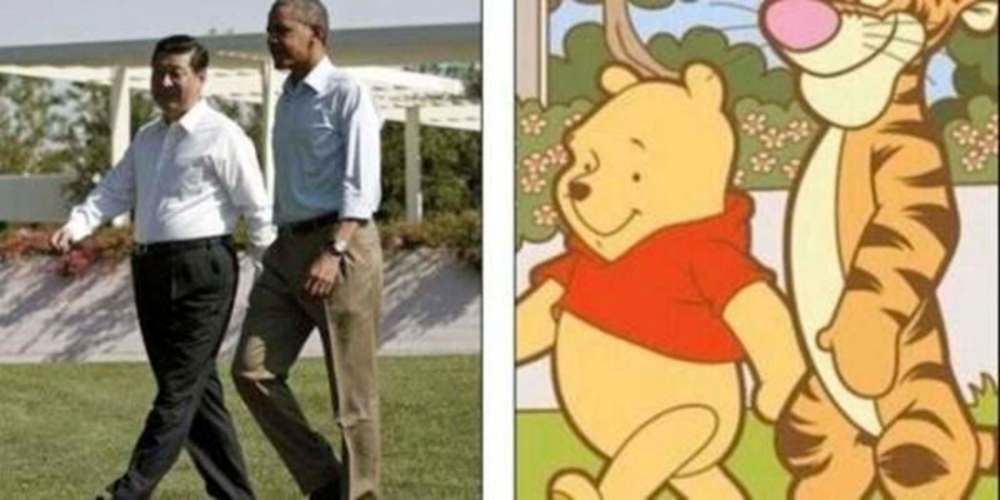
“I think the Winnie issue is part of this trend,” Qiao said.
Winnipeg has a special link with Winnie the Pooh. In 1914, Lt. Harry Colebourn of The Fort Garry Horse bought a bear cub for $20 at a train stop in White River, Ont., and named the bear Winnie after his home city of Winnipeg. Coleburn brought Winnie to England, where he became a pet to the Second Canadian Infantry Brigade Headquarters. Winnie’s eventual destination was to have been the Assiniboine Park Zoo in Winnipeg, but at the end of the war, Colebourn decided to let Winnie remain at the London Zoo, where her fans included A. A. Milne’s son Christopher Robin, who changed the name of his own teddy bear to Winnie the Pooh, providing the inspiration for his father’s famous children’s stories.
— USA Today