

Rain causing poor harvest conditions for farmers
Advertisement
Read this article for free:
or
Already have an account? Log in here »
To continue reading, please subscribe:

Digital Subscription
One year of digital access for only $205*
- Enjoy unlimited reading on winnipegfreepress.com
- Read the E-Edition, our digital replica newspaper
- Access News Break, our award-winning app
- Play interactive puzzles
*First annual payment billed as $205.00 + GST for one year. This annual subscription will automatically renew at $233.00 + GST every 52 weeks (10% off the regular annual price of $259.35). Offer available to new and qualified returning subscribers only. Cancel any time.
To continue reading, please subscribe:
Add Free Press access to your Brandon Sun subscription for only an additional
$1 for the first 4 weeks*
- Enjoy unlimited reading on winnipegfreepress.com
- Read the E-Edition, our digital replica newspaper
- Access News Break, our award-winning app
- Play interactive puzzles
*Your next Brandon Sun subscription payment will increase by $1.00 and you will be charged $17.95 plus GST for four weeks. After four weeks, your payment will increase to $24.95 plus GST every four weeks.
Read unlimited articles for free today:
or
Already have an account? Log in here »
BRANDON — Farmers are dealing with poor harvest conditions owing to the high amount of rain this month.
Brandon had received 74.7 millimetres of rain by Sept. 15, a spokesperson for Environment and Climate Change Canada said Wednesday. The amount is equal to 173 per cent of average rainfall for Brandon.
The wet conditions are causing crop loss and delays in harvesting, several Westman farmers said this week.
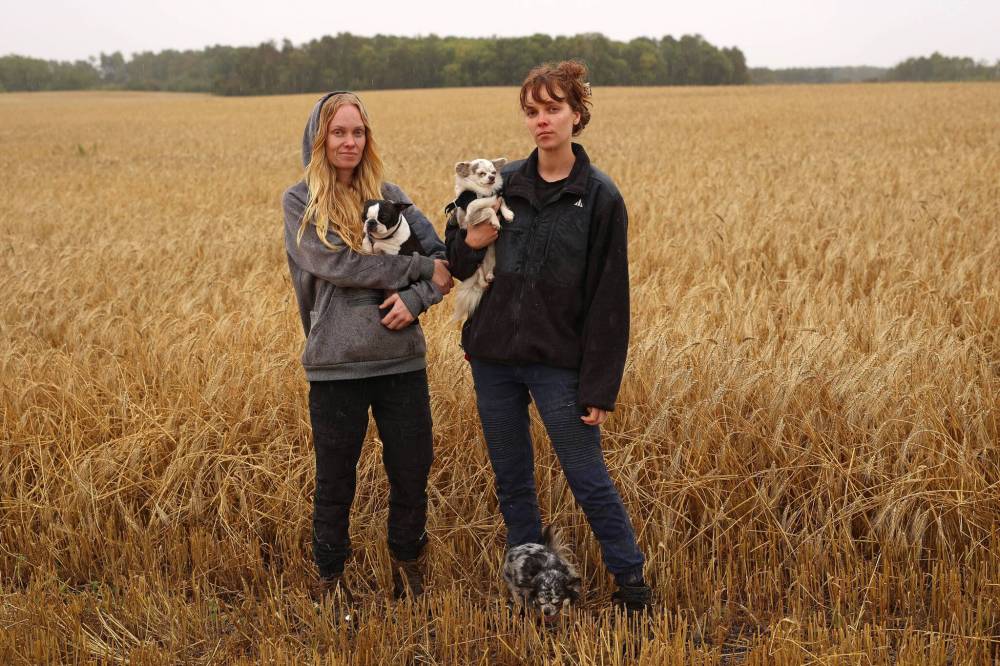
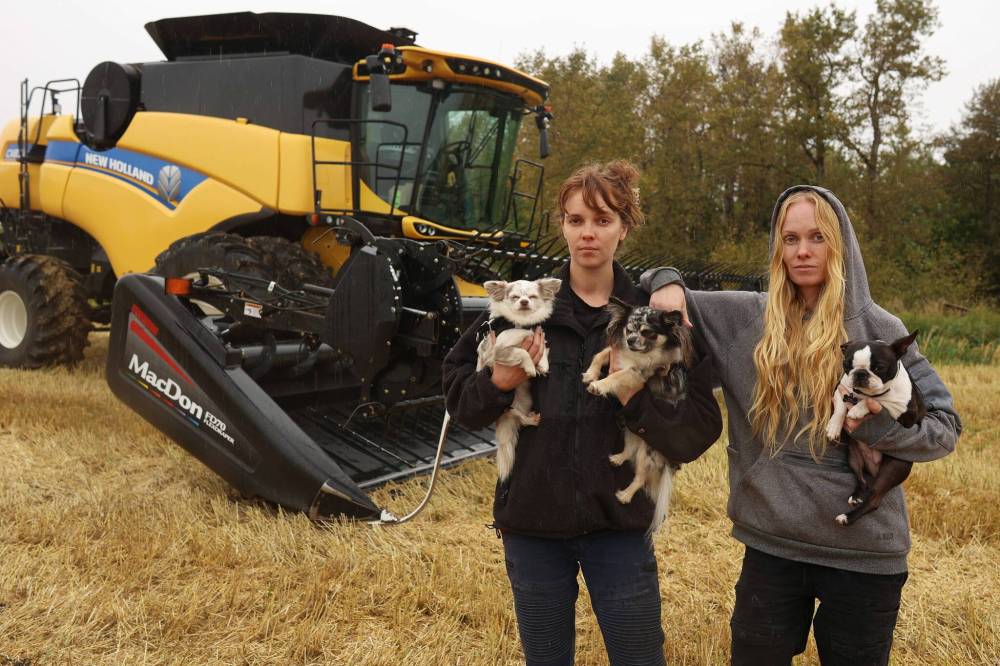
“At this point, it (could be) six figures of loss. And that all happens in days,” Cassandra Lepp, a Rivers-area wheat and canola farmer, said. “We have good crops out there, and they are disappearing.”
Canola crops can’t be cut due to moisture levels, Lepp said. She is waiting for dryer conditions before harvesting, but the crop is dwindling while time passes.
“It’s profit dropping on the ground.”
In the case of wheat, the family was forced to harvest while the wheat carried “severe high risk” of spoilage due to high moisture level, she said.
Wheat in the field had been sprouting — degrading in quality — and the farmers chose to bring it in rather than risk having it continue sprouting and take on more rain.
“You get hit with huge discounts,” Lepp said. “We never had sprouted grain before. This has never happened in 50 years.”
“We’re racing the clock at three miles an hour with combines, so you can only go as fast as you can go.”
The Manitoba government’s rain watch tool showed that as of Wednesday, Souris had recorded the wettest September in the region with 109.6 mm. Rivers received 50 mm, Wawanesa got 80 mm, Boissevain had 57.1 mm, Minto received 74.8 mm and Virden got 70.8 mm.
Jake Ayre, a Minto farmer and vice-president of Keystone Agricultural Producers, was forced to cancel Wednesday’s harvest plans thanks to showers.
“Just as a whole in Westman, it’s been a challenging year that begins to bring more problems,” Ayre said.
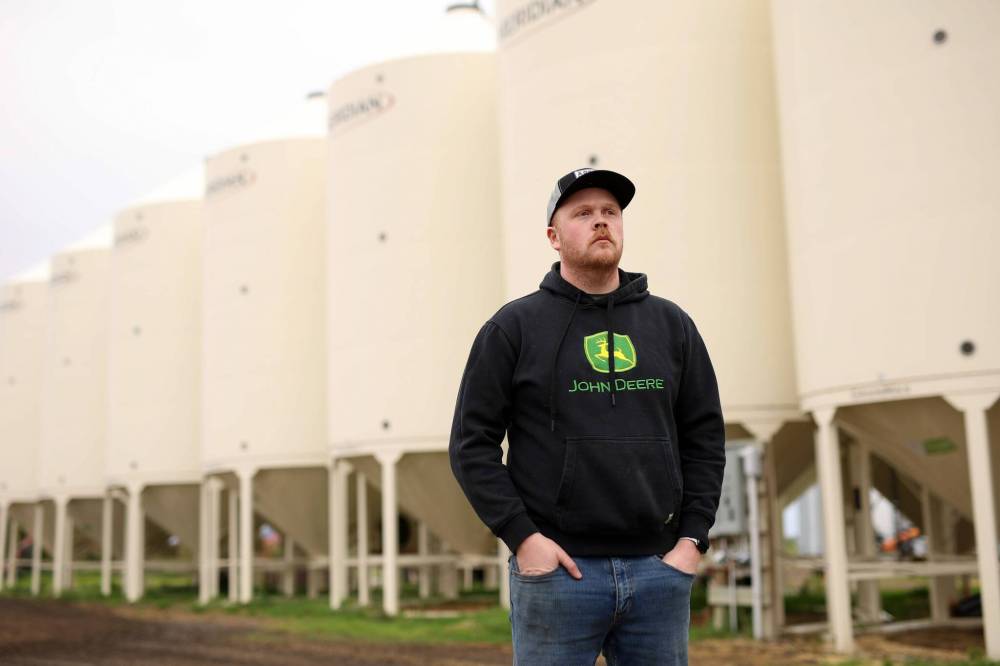
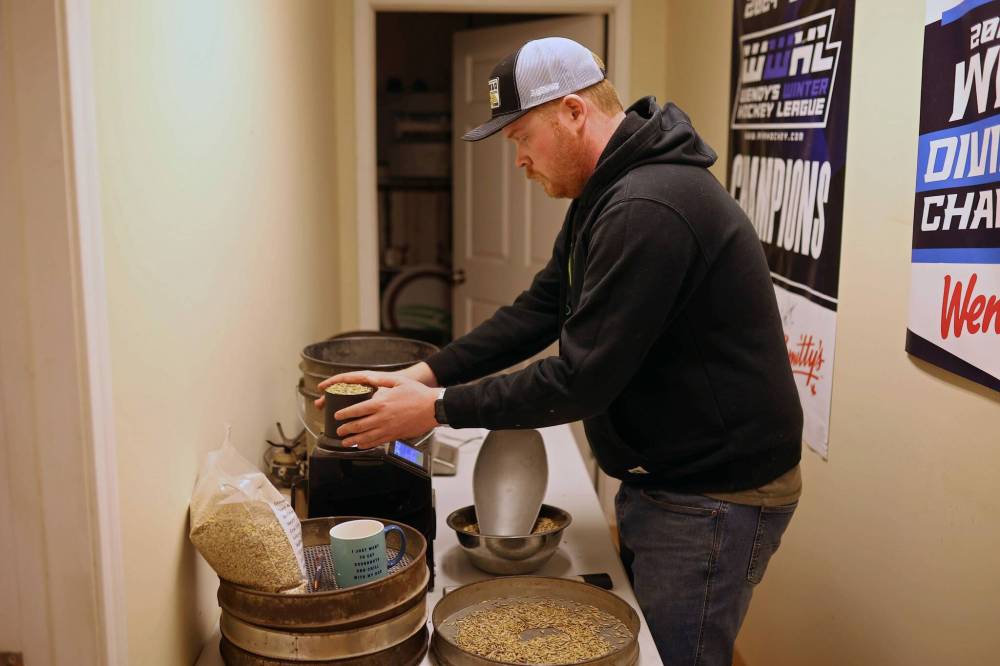
“We have lost anywhere from 15 to 30 per cent of fields just due to drown out,” he said while standing beneath a tin roof as rain pattered on it.
Ayre said farmers are dealing with a bottleneck issue; they’ve fallen behind schedule due to rain, and needing to bring several different crops off the field at the same time. He said he is about 30 per cent behind schedule.
He has received calls from neighbours who are in similar positions, asking for help to harvest. Delays also create a lack of cash flow from delivering crops for sale, he said.
“You look at the field — that’s your bank account. That’s your revenue, and you slowly watch it fall away.”
Corn, soybeans and edible beans look good this year, and are expected to be the least impacted by the rain, Ayre said.
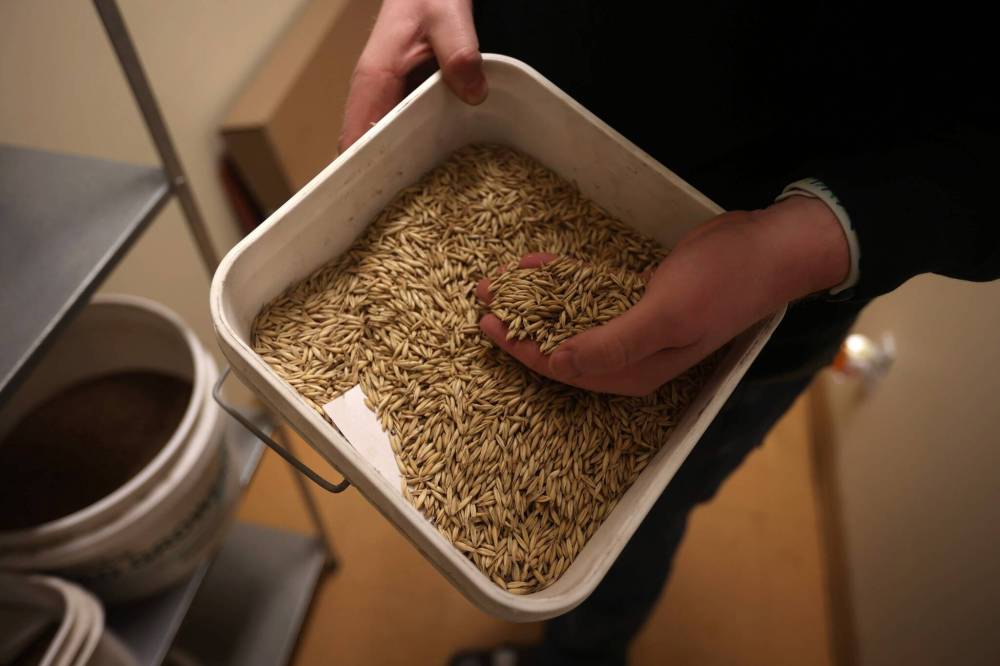
Darren Chapman, a semi-retired farmer south of Virden, said the rain is taking a toll in his area.
“The outlook and quality of the product is dropping, and cost of harvesting is is going up, so your margin is getting smaller,” Chapman said Wednesday.
Chapman runs a combine at his family’s generational farm, now taken up by his younger brother. On rainy days, he said, they prepare machinery so work can be done when the weather clears.
“We’re going over the combines and checking for belts that got cracks and replacing them. Just trying to reduce your risk of breakdowns when the weather is good,” he said. “So hopefully, you got as much stuff that you’re aware of corrected.”
Keith Pearn, whose family farm is located northeast of Virden, said the lack of mobility on the farm is his biggest concern and noted his combine got stuck in a field this month following a period of rain. The machine eventually had to be towed.
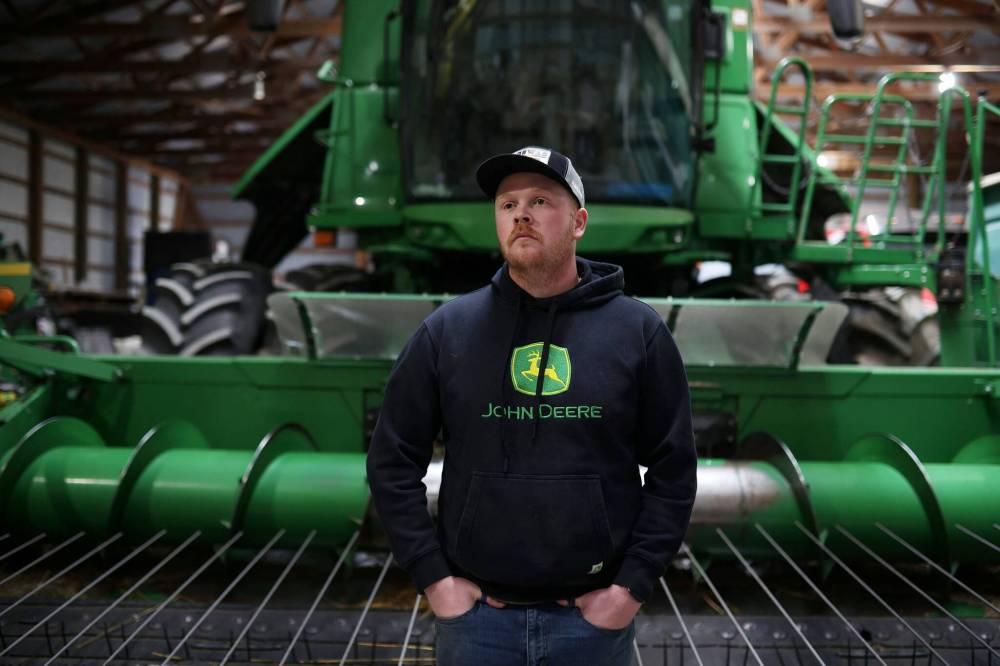
“The land is just about too wet to travel on,” Pearn said on Tuesday. “We’re limited to where we can go with the equipment. There’s going to be low spots that won’t get harvested until either the ground freezes up or it won’t get harvested at all.”

Trevor Hadwen, an agriclimate specialist with Agriculture and Agri-Food Canada, said last month that August and September tend to be dry periods. While there are can be downsides, moisture can also have upsides when it comes late in the summer.
“If we get some rainfall there, the perennial crops tend to do much better the next season,” Hadwen said. “Their root systems tend to be able to develop and recover a little bit during the fall period, giving them a little bit of a boost in the spring, so you’ll get better hay crops, better pasture recovery, that kind of thing.”
The autumn can be a “recharge period” for soil moisture as the prairies are known for water deficits. The span of August and September is typically a dry period, he said.
But if a wet spring follows a wet fall, it could lead to flooding, he said.
— Brandon Sun