


A little work goes a long way at ballot box

Advertisement
Read this article for free:
or
Already have an account? Log in here »
To continue reading, please subscribe:

Digital Subscription
One year of digital access for only $205*
- Enjoy unlimited reading on winnipegfreepress.com
- Read the E-Edition, our digital replica newspaper
- Access News Break, our award-winning app
- Play interactive puzzles
*First annual payment billed as $205.00 + GST for one year. This annual subscription will automatically renew at $233.00 + GST every 52 weeks (10% off the regular annual price of $259.35). Offer available to new and qualified returning subscribers only. Cancel any time.
To continue reading, please subscribe:
Add Free Press access to your Brandon Sun subscription for only an additional
$1 for the first 4 weeks*
- Enjoy unlimited reading on winnipegfreepress.com
- Read the E-Edition, our digital replica newspaper
- Access News Break, our award-winning app
- Play interactive puzzles
*Your next Brandon Sun subscription payment will increase by $1.00 and you will be charged $17.95 plus GST for four weeks. After four weeks, your payment will increase to $24.95 plus GST every four weeks.
Read unlimited articles for free today:
or
Already have an account? Log in here »
Who should I vote for in the upcoming municipal election? It’s question I get asked often. And it’s a fair one.
With election day approaching, voters are being bombarded with names, promises, slogans and campaign messages.
There are mayoral candidates to consider and candidates running in individual wards. There are competing promises about taxes, crime, infrastructure, transit, homelessness and a long list of other issues.
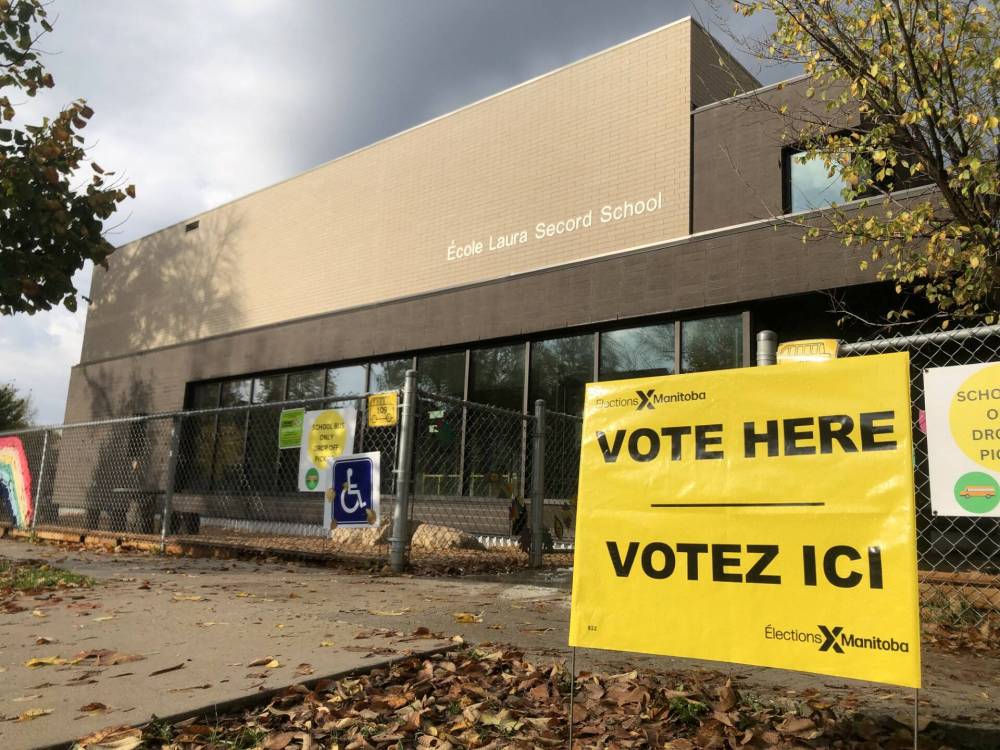
Erik Pindera / Free Press Files
Winnipeggers go to the polls on October 28.
So how is a voter supposed to sort it all out?
The short answer is: there is plenty of information available, you just have to make an effort to get it.
The news media is a good place to start.
Newspapers, television and radio outlets interview candidates, report on their campaigns and examine the issues facing Winnipeg.
The Free Press provides extensive coverage of elections, including this one. It publishes daily stories about mayoral candidates, breaks down ward races through riding profiles and reports on whatever related stories arise throughout the campaign.
It even puts out a weekly newsletter called Election Extra (you can subscribe to if for free at wfp.to/electionextra), which provides a roundup of events and stories about the election — with links — and includes an intro written by yours truly.
And then there are the candidates themselves.
Most candidates have some kind of online presence, whether it’s a campaign website, Facebook page, Instagram account, X account or some combination of them.
Their websites and social-media feeds provide information about their backgrounds, their priorities and the policies they say they would pursue if elected.
Obviously, voters should understand that candidates aren’t neutral sources of information about themselves. They’re running for office. They’re trying to persuade you to vote for them.
But that’s precisely why it’s useful to read what they’re saying. Look at their promises. Look at their priorities. Look at what they say they would change.
Then ask some basic questions. How much would it cost? Who would pay for it? Does the city actually have the authority to do it? And does the candidate understand the issue they’re talking about? (Spoiler alert: not always).
Those questions can be particularly revealing during a campaign, when it’s easy for candidates to make promises that sound good in a 30-second social-media video, but become considerably more complicated when you start asking how they’re actually going to deliver them.
Voters can also meet candidates in person.
They often hold meet-and-greet events and make other public appearances throughout the campaign. If one is being held in your neighbourhood, go.
Ask questions. Don’t just listen to the prepared speech. Ask about the issues that matter to you.
If a candidate knocks on your door, that’s another opportunity. You don’t have to engage in a 30-minute political debate on your front step. But ask them a few questions.
What would you do about public safety? How would you pay for the infrastructure the city needs? What would you do to improve transit? How would you address homelessness and addiction?
And if the answer is vague, ask a follow-up question. That’s often when you learn something about them.
The City of Winnipeg’s city clerk’s office can also help with the basics. If you don’t know who’s running in your ward — or aren’t even sure which ward you live in — that information is available online.
In other words, voters have plenty of ways to find out who is asking for their vote. The harder part is deciding what to do with the information. That’s where voters have to make their own judgment.
Maybe taxes are your biggest concern. Maybe it’s crime. Maybe you’re frustrated by the condition of the streets. Maybe you want better transit, more action on homelessness, better garbage collection or more investment in libraries and other city services.
There is no correct list of priorities.
But once you know what matters most to you, it becomes easier to evaluate the candidates.
It can be tempting to make a decision based on a name you recognize, a catchy slogan or something that appeared in your social-media feed. But that’s not much of a way to choose someone who will be making decisions about how your city spends billions of dollars and delivers the services you rely on every day.
You don’t have to read every story or attend every candidate event. You don’t have to become an expert on municipal government.
But you should probably know a little more than the names printed on a ballot.

Read the coverage. Check the candidates’ websites. Look at their policy proposals. Find out who’s running in your ward. Go to a meet-and-greet. Ask questions when candidates come to your door. Listen to what they say — and pay attention to what they don’t say.
Then compare.
It doesn’t take an enormous amount of time, it just takes a bit of effort. Then go vote (which takes even less time).
In an election where the people being chosen will have a direct impact on the streets you drive on, the buses you ride, the taxes you pay and the services you depend on, that seems like a pretty reasonable investment.
tom.brodbeck@winnipegfreepress.com
Tom Brodbeck is an award-winning author and columnist with over 30 years experience in print media. He joined the Free Press in 2019. Born and raised in Montreal, Tom graduated from the University of Manitoba in 1993 with a Bachelor of Arts degree in economics and commerce. Read more about Tom.
Tom provides commentary and analysis on political and related issues at the municipal, provincial and federal level. His columns are built on research and coverage of local events. The Free Press’s editing team reviews Tom’s columns before they are posted online or published in print – part of the Free Press’s tradition, since 1872, of producing reliable independent journalism. Read more about Free Press’s history and mandate, and learn how our newsroom operates.
Our newsroom depends on a growing audience of readers to power our journalism. If you are not a paid reader, please consider becoming a subscriber.
Our newsroom depends on its audience of readers to power our journalism. Thank you for your support.
Tom Brodbeck is an award-winning author and columnist with over 30 years experience in print media. He joined the Free Press in 2019. Born and raised in Montreal, Tom graduated from the University of Manitoba in 1993 with a Bachelor of Arts degree in economics and commerce. Read more about Tom.
Tom provides commentary and analysis on political and related issues at the municipal, provincial and federal level. His columns are built on research and coverage of local events. The Free Press’s editing team reviews Tom’s columns before they are posted online or published in print – part of the Free Press’s tradition, since 1872, of producing reliable independent journalism. Read more about Free Press’s history and mandate, and learn how our newsroom operates.
Our newsroom depends on a growing audience of readers to power our journalism. If you are not a paid reader, please consider becoming a subscriber.
Our newsroom depends on its audience of readers to power our journalism. Thank you for your support.
Related Articles
Klein insists premier has police HQ inquiry report, accuses mayor of trying to suppress it







Advertisement Advertise With Us
Advertisement Advertise With Us