

Autonomy on agenda at historic meeting
First Nations want more control over youth in foster care
Advertisement
Read this article for free:
or
Already have an account? Log in here »
To continue reading, please subscribe:
Monthly Digital Subscription
$1 per week for 24 weeks*
- Enjoy unlimited reading on winnipegfreepress.com
- Read the E-Edition, our digital replica newspaper
- Access News Break, our award-winning app
- Play interactive puzzles
*Billed as $4.00 plus GST every four weeks. After 24 weeks, price increases to the regular rate of $19.95 plus GST every four weeks. Offer available to new and qualified returning subscribers only. Cancel any time.
Monthly Digital Subscription
$4.99/week*
- Enjoy unlimited reading on winnipegfreepress.com
- Read the E-Edition, our digital replica newspaper
- Access News Break, our award-winning app
- Play interactive puzzles
*Billed as $19.95 plus GST every four weeks. Cancel any time.
To continue reading, please subscribe:
Add Free Press access to your Brandon Sun subscription for only an additional
$1 for the first 4 weeks*
*Your next subscription payment will increase by $1.00 and you will be charged $16.99 plus GST for four weeks. After four weeks, your payment will increase to $23.99 plus GST every four weeks.
Read unlimited articles for free today:
or
Already have an account? Log in here »
Hey there, time traveller!
This article was published 25/01/2018 (2969 days ago), so information in it may no longer be current.
OTTAWA — Provincial and Indigenous leaders gather today in Ottawa for a historic meeting” aimed at the staggering number of Indigenous kids apprehended by Child and Family Services.
As the summit gets underway, a key question surrounds how much autonomy Indigenous groups will gain, and how soon.
The Assembly of Manitoba Chiefs has called for First Nations groups to have more direct control over CFS systems. Grand Chief Arlen Dumas said Manitoba’s semi-devolved system, which the province still oversees, has “made quite an industry” out of apprehending children and the federal subsidies attached to them.
Federal Indigenous Services Minister Jane Philpott called the summit and had promised more federal funding after census data revealed that 87 per cent of Manitobans in foster care are First Nations or Métis, despite Indigenous Peoples making up just 17 per cent of the province.
When asked Tuesday whether she’d be willing to support Indigenous groups who want more autonomy over CFS than their provinces allow, Philpott would only say that the summit will examine ways to keep children within their families.
“The meeting this week is not going to be about assigning blame,” she said.
A Wednesday morning statement by all provincial and territorial ministers — authored by Manitoba Families Minister Scott Fielding and his Ontario counterpart — said that “collaboration with the federal government must respect existing relationships” between provinces and Indigenous groups.
Regardless how much autonomy Indigenous groups clinch, Philpott said another key issue at the summit will be determining how to fund CFS agencies.
Last week, the Free Press published a leaked report that tallied an annual shortfall of $104 million for 8,115 First Nations wards of the province, amounting to an average $12,814.42 or 26 per cent gap, split between Ottawa and Manitoba.
Fielding’s department said Tuesday it was considering the report alongside other references to find a more efficient funding model. The department noted that it was part of the committee that had the report prepared, but that it wasn’t authorized for public release.
“Organizations were currently reviewing the report and have yet to reach a consensus on its findings,” the department wrote, noting that the $104-million shortfall was calculated based on First Nations agencies being asked about their needs, “with no further criteria or methodology.”
The report itself says it used criteria outlined during a decade of litigation at the federal human-rights tribunal to assess responses from the agencies.
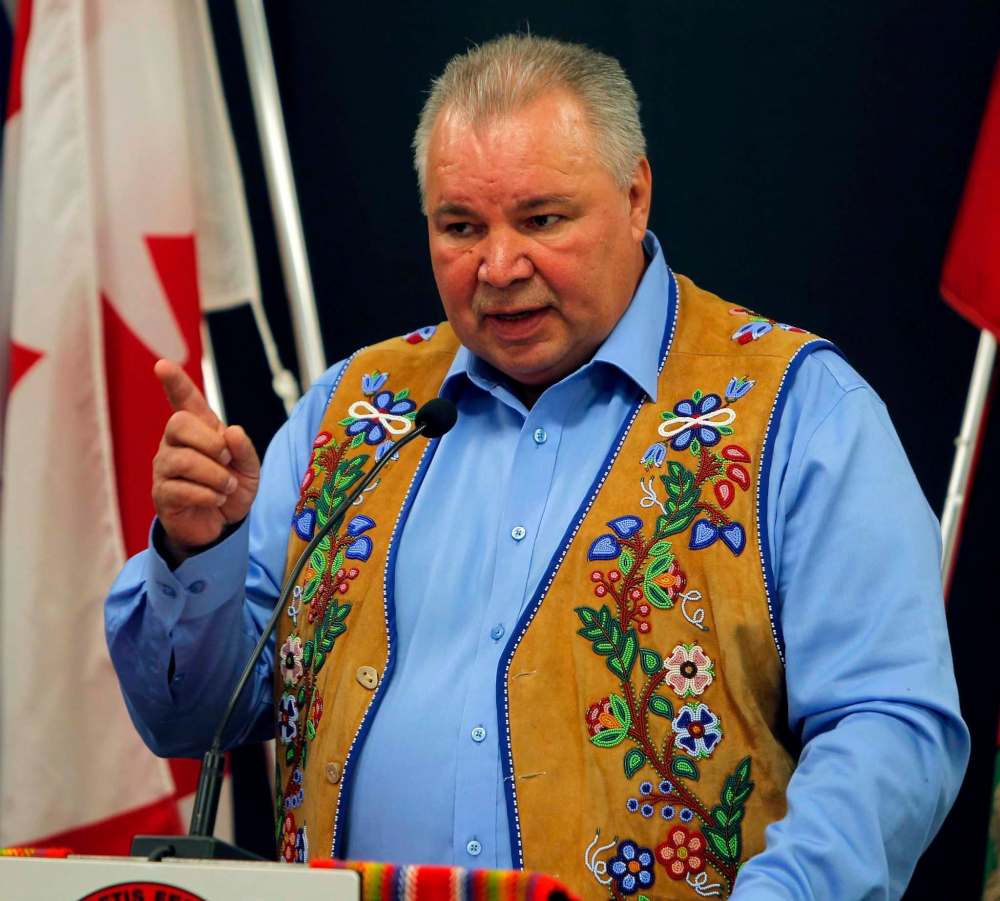
Manitoba Metis Federation president David Chartrand believes the Métis authority runs on a $15-million annual shortfall, but he did not have specific costing data; that authority has no federal support.
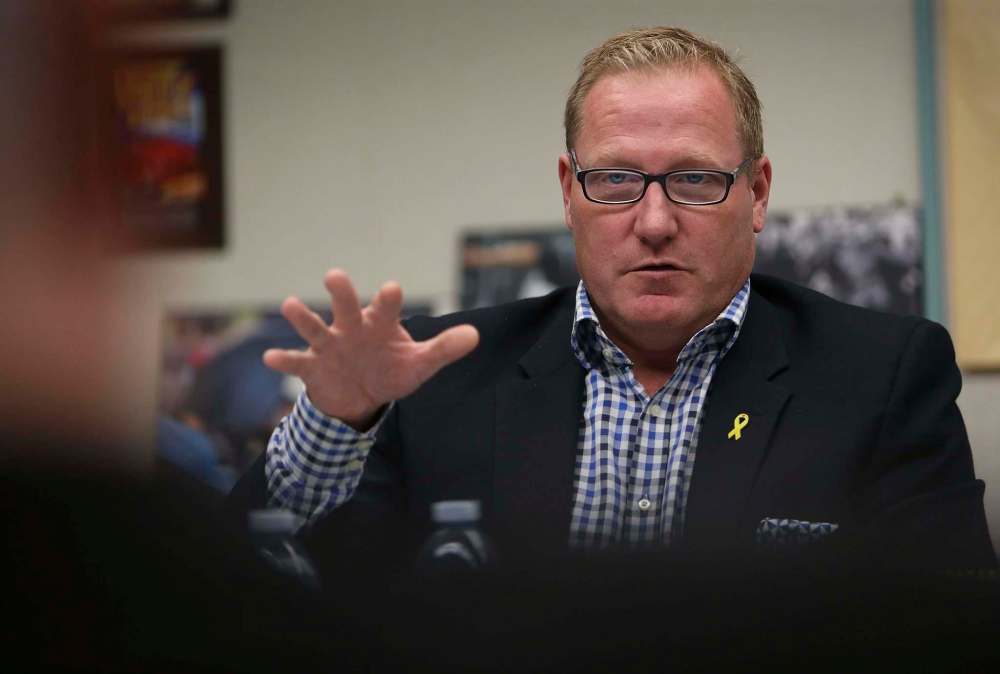
Fielding noted that the cost of child welfare has risen by $20 million for each of the last four years, and that the annual $514-million budget means the province spends an average $46,800 per child in care.
He believes block funding could help with these shortfalls, by giving CFS agencies autonomy to create prevention programs, and remove what’s widely seen as an incentive to apprehend children, because funding is pegged to children taken away and not those kept in homes.
“We need to make changes right away, we can’t wait two or three years,” he said in a recent interview. “It’s far overdue.”
Chartrand agrees, saying little has changed since a provincial inquiry ended four years ago.
That inquiry was named after Phoenix Sinclair, 5, who was tortured by her mother and stepfather and left to die in the basement of her home.
The two were later convicted of first-degree murder, and the case raised multiple issues with the CFS system.
Of the 62 recommendations, the inquiry asked that CFS workers only have 20 cases, whether they’re prevention or child-protection ones. But the internal report found the ratio is 1:35 in at least one First Nations agency, while Chartrand says staff within the two Métis agencies are in “a gander zone” with similar workloads.
“We don’t want to have another Phoenix (Sinclair) inquiry,” Chartrand said.
Fielding’s office noted that Manitoba’s general, Métis and First Nations authorities allocate funding based on a ratio of one service worker per 20 prevention cases, and one for every 25 children already apprehended.
“CFS agencies have the flexibility to use this funding to structure their operations/staffing as they see fit to provide services to their families,” Andrea Slobodian wrote.
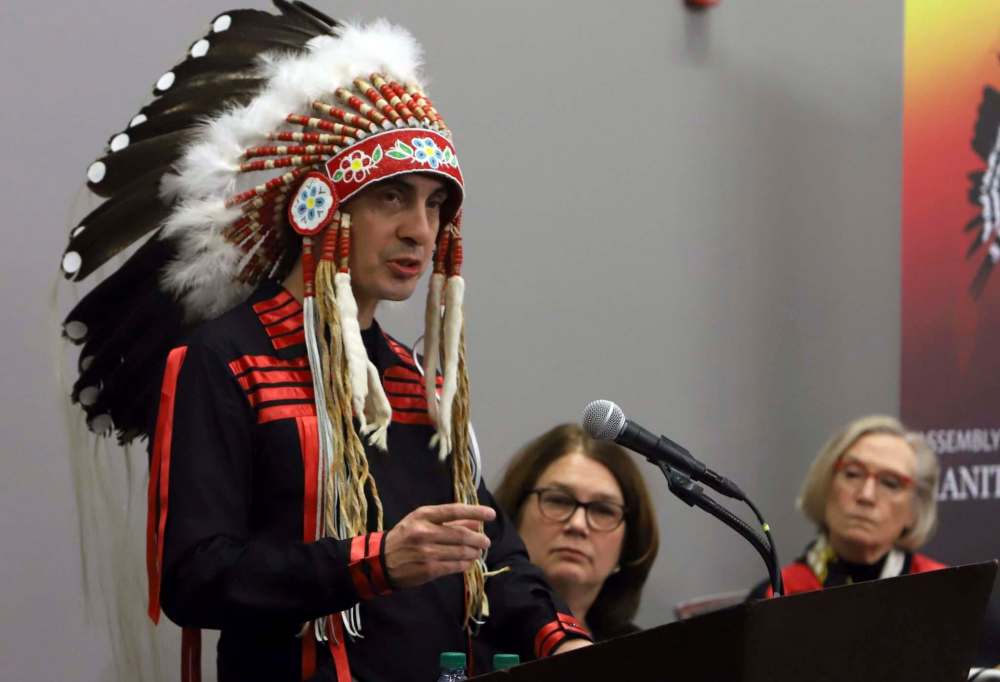
Grand Chief Jerry Daniels of the Southern Chiefs’ Organization says underfunding is compounded by the likelihood of unnecessary interceptions, particularly after the 2014 Sinclair inquiry when CFS agencies took up automated risk-assessment tools.
“All of a sudden, every CFS worker was on their toes. They’re so afraid to make a mistake that they’d just apprehend, rather than take a look at what’s going on and involve the other families to be supportive.”

Chartrand and Manitoba’s three grand chiefs all cited housing issues as a key reason why children get apprehended.
They’re eager to see Ottawa’s Indigenous housing strategy, which the government says is coming this year, but won’t say when.
The Liberals say they’ve intentionally kept it separate from the national housing strategy they unveiled last November.
dylan.robertson@freepress.mb.ca