

‘Big questions’ on reform
Federal child-welfare legislation -- weeks from taking effect -- worries First Nations, province
Advertisement
Read this article for free:
or
Already have an account? Log in here »
To continue reading, please subscribe:
Monthly Digital Subscription
$1 per week for 24 weeks*
- Enjoy unlimited reading on winnipegfreepress.com
- Read the E-Edition, our digital replica newspaper
- Access News Break, our award-winning app
- Play interactive puzzles
*Billed as $4.00 plus GST every four weeks. After 24 weeks, price increases to the regular rate of $19.95 plus GST every four weeks. Offer available to new and qualified returning subscribers only. Cancel any time.
Monthly Digital Subscription
$4.99/week*
- Enjoy unlimited reading on winnipegfreepress.com
- Read the E-Edition, our digital replica newspaper
- Access News Break, our award-winning app
- Play interactive puzzles
*Billed as $19.95 plus GST every four weeks. Cancel any time.
To continue reading, please subscribe:
Add Free Press access to your Brandon Sun subscription for only an additional
$1 for the first 4 weeks*
*Your next subscription payment will increase by $1.00 and you will be charged $16.99 plus GST for four weeks. After four weeks, your payment will increase to $23.99 plus GST every four weeks.
Read unlimited articles for free today:
or
Already have an account? Log in here »
Hey there, time traveller!
This article was published 02/12/2019 (2334 days ago), so information in it may no longer be current.
OTTAWA — The looming federal reform of child welfare is dividing Manitoba’s First Nations and confusing the Pallister government over vague rules on funding and data privacy.
However, the Trudeau government is pushing ahead, saying it will deliver clarity before the legislation takes effect Jan. 1.
“There are big questions,” said Richard De La Ronde, executive director of Sandy Bay Child and Family Services.
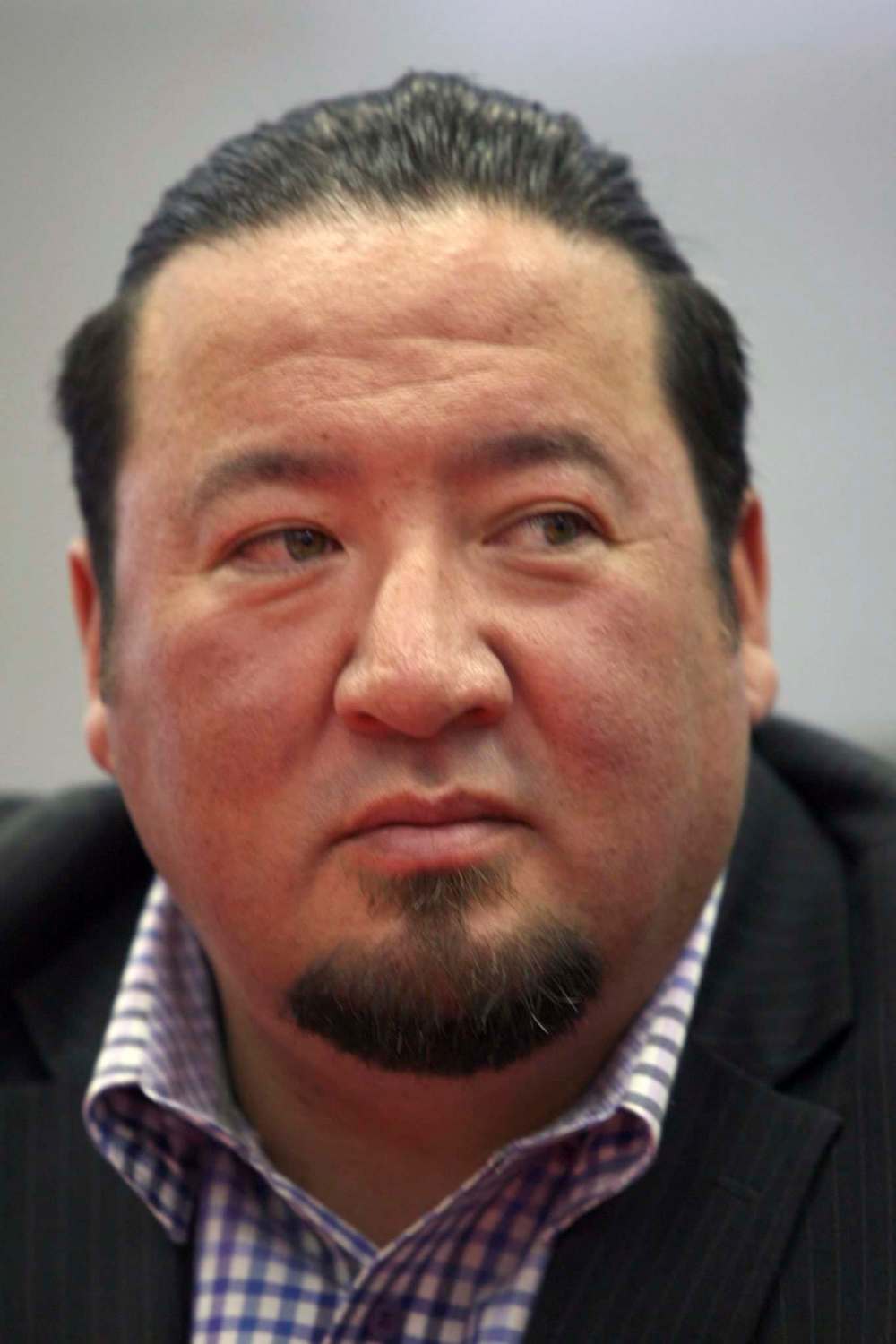
“I’m not sure the federal government itself is 100 per cent aware of the implications.”
Bill C-92 creates a pathway for First Nations, Inuit and Métis groups to negotiate the handover of child welfare from their respective provinces and territories. If they can’t reach a deal over the course of a year, Ottawa can step over provinces and territories to enact jurisdiction for Indigenous groups over their children.
Last week, Manitoba Families Minister Heather Stefanson revealed she’d written to the Liberals in October, arguing “children could be placed at risk” if they don’t clarify numerous issues.
Those include who will get to see and add to Manitoba’s child-abuse registry, whether centralized case intake and tracking will be scrapped, and who will pay foster parents. It remains unclear which agency mixed-race children would be placed, or children with parents from separate communities.
Premier Brian Pallister took his concerns a step further Thursday, calling the bill “very dangerous legislation, because it has no plan attached to it, nor does it have any explicit funding.” He pledged to raise the issue today at the premiers meeting near Toronto.
CFS agencies have largely only been able to access more funding when they take a child out of the home, and ongoing reforms aim to provide more cash for preventative work and parental training.
The Liberals introduced Bill C-92 nine months ago and got instant pushback from the Pallister government and the Assembly of Manitoba Chiefs, with each saying Ottawa didn’t adequately consult with leaders in the province.
At a conference in Winnipeg last week, the AMC insisted Ottawa should ratify a bill the advocacy group drafted, instead of having First Nations negotiate with provinces.
“It’s about taking responsibility back,” former AMC grand chief Derek Nepinak told the audience.
“You don’t need a federal bill to enable that; all you need is a commitment from the people, the commitment of families to work towards again taking care of each other.”
Manitoba’s system is currently semi-devolved, with First Nations and Métis authorities administering agencies that follow provincial laws, and receive funding from Ottawa and the province.
The federal government pays for about 60 per cent of Child and Family Services cases among Manitoba’s First Nations, for children living on-reserve. The province funds the rest, who live off-reserve.
Nepinak argued this devolution hasn’t worked, with the number of children apprehended in the province continuing to rise because First Nations are accountable to colonial governments.
Lawyer and activist Pamela Palmater criticized the bill, and accused the Assembly of First Nations of “forcing it on First Nations” by having them “negotiating genocide” with provinces.
Palmater argued First Nations ought to take charge immediately, and have their own laws challenged, amended and repealed.
“That’s OK, because that’s sovereignty; that’s nation-building. That’s exercising our jurisdiction and making our own mistakes. Because it certainly can’t be worse than genocide.”
But De La Ronde said Sandy Bay wants to be part of the reform as soon as possible. “If we don’t proceed, we’re going to miss that opportunity,” he said.
De La Ronde said the bill could allow First Nations to provide air conditioners or housing advances to struggling parents at risk of having their children taken away. It would also free them from what De La Ronde called outdated provincial rules, for example: requirements for window sizes that don’t align with many of his reserve’s houses.
De La Ronde suggested getting the year-long talks going will force leaders to come up with answers on how things will actually work.
His agency wants the province to provide an interim loophole so it can run independent of the Southern First Nations Network of Care authority, which a week ago declared it had been hacked, putting data from eight different agencies at risk of theft and/or deletion.
De La Ronde was encouraged when he read criticism of the Liberals not explaining how the bill will work, as “they haven’t been making too many decisions without us.”
Federal officials said Ottawa aims to allow First Nations, advocacy groups and tribal councils to take over from CFS, including if they only take on piecemeal duties such as prevention work. That would dictate the type of funding they receive.

The Trudeau government plans to issue a detailed notice before the new year.
It drafted Bill C-92 in lockstep with Indigenous groups such as Assembly of First Nations. The group’s Manitoba regional chief, Kevin Hart, said Island Lake and Peguis leaders are also considering some form of autonomy through the bill, though neither CFS agency would confirm that.
This week, Hart is holding meetings between Manitoba First Nations interested in Bill C-92 and newly minted Indigenous Services Minister Marc Miller, and possibly other cabinet members
“There are a lot of details that need to be worked out. Are there some grey areas? Definitely,” Hart said.
dylan.robertson@freepress.mb.ca
History
Updated on Monday, December 2, 2019 6:10 AM CST: Adds photo