

Chance for hugs within reach
Being double-vaccinated gives rise to hope
Advertisement
Read this article for free:
or
Already have an account? Log in here »
To continue reading, please subscribe:
Monthly Digital Subscription
$1 per week for 24 weeks*
- Enjoy unlimited reading on winnipegfreepress.com
- Read the E-Edition, our digital replica newspaper
- Access News Break, our award-winning app
- Play interactive puzzles
*Billed as $4.00 plus GST every four weeks. After 24 weeks, price increases to the regular rate of $19.95 plus GST every four weeks. Offer available to new and qualified returning subscribers only. Cancel any time.
Monthly Digital Subscription
$4.99/week*
- Enjoy unlimited reading on winnipegfreepress.com
- Read the E-Edition, our digital replica newspaper
- Access News Break, our award-winning app
- Play interactive puzzles
*Billed as $19.95 plus GST every four weeks. Cancel any time.
To continue reading, please subscribe:
Add Free Press access to your Brandon Sun subscription for only an additional
$1 for the first 4 weeks*
*Your next subscription payment will increase by $1.00 and you will be charged $16.99 plus GST for four weeks. After four weeks, your payment will increase to $23.99 plus GST every four weeks.
Read unlimited articles for free today:
or
Already have an account? Log in here »
Hey there, time traveller!
This article was published 16/06/2021 (1771 days ago), so information in it may no longer be current.
Hugging grandchildren, reuniting with family and friends and not having to worry about it — these are the things that dreams are made of in the COVID-19 world.
For people who receive their second COVID-19 vaccine dose, there is reason to be optimistic.
“People are desperate for human contact,” said Dr. Anand Kumar, a Winnipeg ICU doctor. “Aren’t we all?”
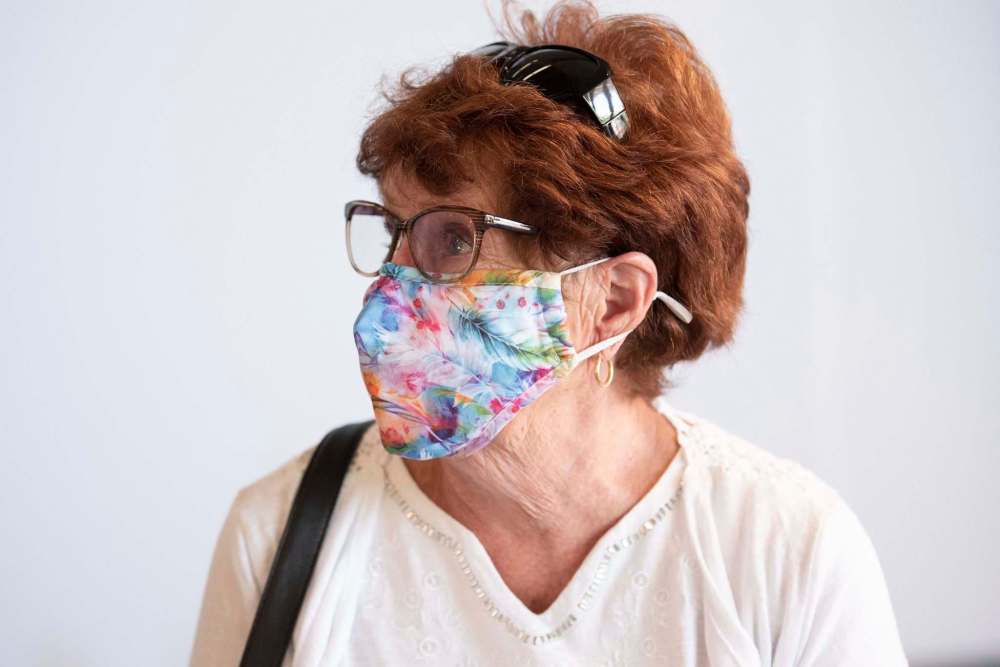
Marilyn Chikowsky, who’d just received her second dose at the downtown Winnipeg super site Tuesday, said the first thing she’ll do when she sees her grandchildren is “hug them — and (have a) barbecue.”
Ruth Prokesch said she was looking forward to relaxing with loved ones now that she’s received her second dose.
“Just spending time with family, and not being made to feel like we are doing something wrong,” she said, sporting the green vaccination sticker on her shirt.
Kumar said if everyone in a group has been fully vaccinated for at least three weeks, socializing and even hugging should be safe.
“I’m not talking in terms of what the rules allow you to do. What I’m talking about is what is safe for you to do — and that’s pretty much anything,” he said.
“It doesn’t mean that it’s 100 per cent, but it’s never going to be better than this. If you’re waiting for absolutely zero, that’s never going to happen,” he said.
When it comes to the broader community, however, we’ll need to remain cautious for a long time, he said, at least until enough people have received their second shot.
“Until we get to about 90 per cent — unless you know the vaccination status of the people you’re interacting with — there are going to be risks,” said Kumar.

Getting back to “normal,” whatever that may look like, will also depend on whether or not a variant develops that can spread even in vaccinated people, he said.
Kumar said he expects the Delta variant will surge in Manitoba in the coming months, judging by how it’s torn through the U.K. But there is cause for optimism in the preliminary data, he said.
Those who are double-vaccinated should have strong protection against the variant, he said, and “although one dose doesn’t protect you from infection, it does seem to give you very good protection or at least reasonable protection from disease serious enough to hospitalize you.”
Kumar, who has been widely quoted in the media to guide Manitobans throughout the pandemic, said he “misses the s— out of his kids.” They live in the United States.
Outside the downtown super site Tuesday, people said they yearned for physical contact and most said they planned to hug family members.
“There’s a really, really good reason why people are saying they would like to have some hugs,” said Marian Goldstone, program director at Mood Disorders Association of Manitoba. “Physiological changes take place in our bodies.”
Cortisol, colloquially known as the “stress hormone,” drops significantly, she said. Not only that, but blood pressure tends to fall into healthier ranges and the immune system gets a boost, she said. “It’s measurable.”

Some may also find it difficult to manage increased human contact as restrictions lift and crowds begin to gather again.
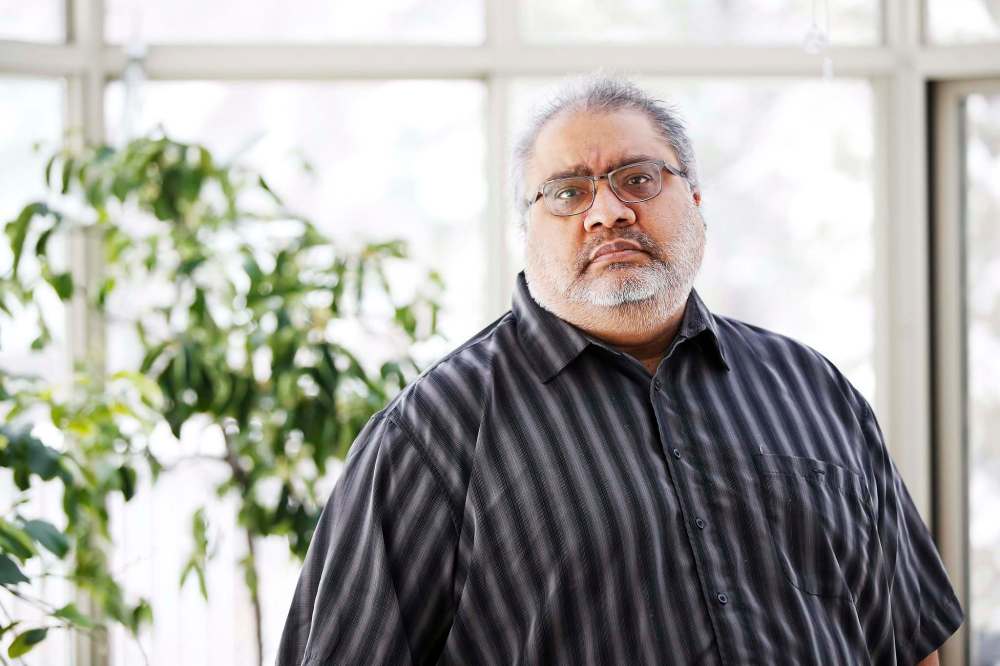
“We’ve formed habits, we’ve adjusted our routines, we’ve adjusted the way we live,” said Goldstone. After 16 months of being told to reduce contact with others, she said, it will be difficult for some to adjust. Other people will always prefer more personal space than they needed pre-pandemic.
Goldstone said people need to be understanding of those who have a tough time adjusting to increased contact.
cody.sellar@freepress.mb.ca
History
Updated on Wednesday, June 16, 2021 8:51 AM CDT: Adds photos