Double disaster in Carman
Air Force crash, tower collapse killed six
Advertisement
Read this article for free:
or
Already have an account? Log in here »
To continue reading, please subscribe:
Monthly Digital Subscription
$1 per week for 24 weeks*
- Enjoy unlimited reading on winnipegfreepress.com
- Read the E-Edition, our digital replica newspaper
- Access News Break, our award-winning app
- Play interactive puzzles
*Billed as $4.00 plus GST every four weeks. After 24 weeks, price increases to the regular rate of $19.95 plus GST every four weeks. Offer available to new and qualified returning subscribers only. Cancel any time.
Monthly Digital Subscription
$4.99/week*
- Enjoy unlimited reading on winnipegfreepress.com
- Read the E-Edition, our digital replica newspaper
- Access News Break, our award-winning app
- Play interactive puzzles
*Billed as $19.95 plus GST every four weeks. Cancel any time.
To continue reading, please subscribe:
Add Free Press access to your Brandon Sun subscription for only an additional
$1 for the first 4 weeks*
*Your next subscription payment will increase by $1.00 and you will be charged $16.99 plus GST for four weeks. After four weeks, your payment will increase to $23.99 plus GST every four weeks.
Read unlimited articles for free today:
or
Already have an account? Log in here »
Hey there, time traveller!
This article was published 29/01/2017 (3339 days ago), so information in it may no longer be current.
Sixty-five years ago, a pair of tragic accidents that happened 12 hours apart killed six people in a field outside Carman. Despite the initial headlines, the Carman Air Disaster was quickly forgotten by all but those who were there and the families of those who died.
The year was 1952, and though the Second World War was over, Manitoba continued to be an important pilot-training centre for air forces around the world.
In a massive postwar reorganization of the Royal Canadian Air Force (RCAF), No. 2 Air Training School was established at what was then called RCAF Station Winnipeg on the west side of Stevenson Field, now James Richardson International Airport. To become Canada’s largest military air-training school required a multimillion-dollar investment that included new hangars and other infrastructure — a welcome economic shot in the arm for the city.
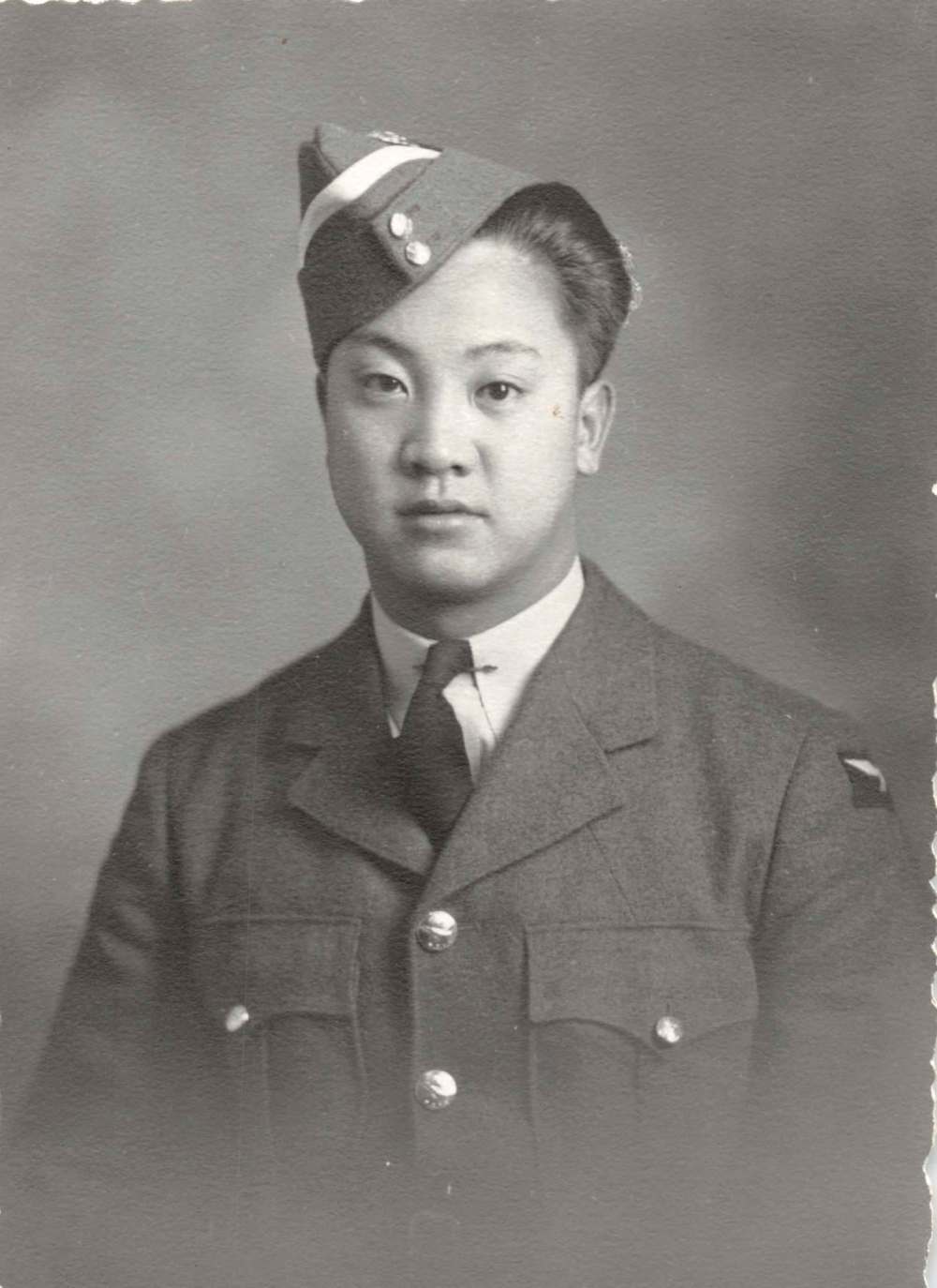
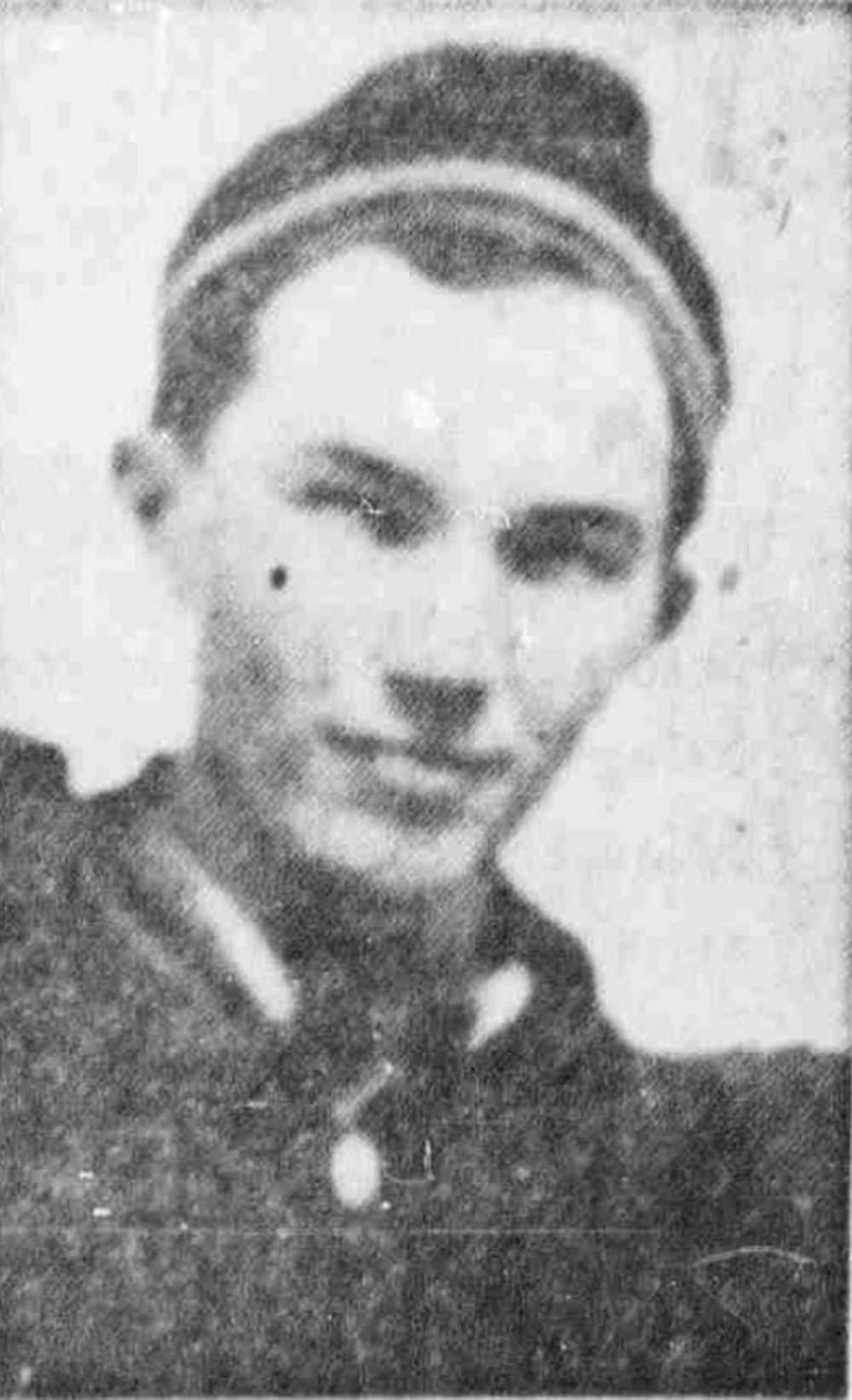
One former wartime pilot who signed on to be an instructor was Charles Chow-Leong of Lethbridge.
Chow-Leong was the eldest of eight children born to Chinese immigrants. His father, Ling, came to Canada in 1901 to help build the Canadian Pacific Railway. In 1920, he married May Ho, and the couple established a wheat farm near Lethbridge, where they raised their family.
When the Second World War broke out, Chow-Leong wanted to enlist in the RCAF but found it was off-limits to people of colour.
That wasn’t the only discrimination Chinese Canadians faced. There was the federal government’s “head tax” on Chinese immigrants, which was $50 when it was first imposed in 1858 and $500 in 1903. In 1923, when it was found the fees didn’t curtail Chinese immigration as expected, the Chinese Exclusion Act was enacted to ban it outright.
As the war dragged on and entered the Pacific region, the Air Force was desperate for new recruits and changed its acceptance policy in October 1942. Chow-Leong was among the first Chinese Canadians to sign up for flight training and graduated from No. 7 Service Flying Training School at RCAF Station Fort McLeod in September 1943.
Jim Chow, Charles’ youngest brother, still lives in the Lethbridge area and recalls through his wife, Judy, that when Charles informed them he had enlisted, “There were many tears.”
“The family was sad and scared when he left but were also very proud of Charlie for serving his country.”
Chow-Leong took part in the Burma campaign, then was stationed to India, patrolling the Indian Ocean. An RCAF spokesman told the Winnipeg Free Press in 1952 he “specialized in paratrooping, supply-dropping and glider-towing.”
In all, about 600 Chinese Canadians fought for Canada in the Second World War. It was thanks in large part to their service that the Chinese Exclusion Act was finally repealed in 1947.
After the war, Chow-Leong went to China and flew for a Chinese commercial airline. He returned to Canada in 1951. At the time, he was 29 years old and had 6,000 flying hours under his belt — just the type of man the RCAF was seeking for its training schools.
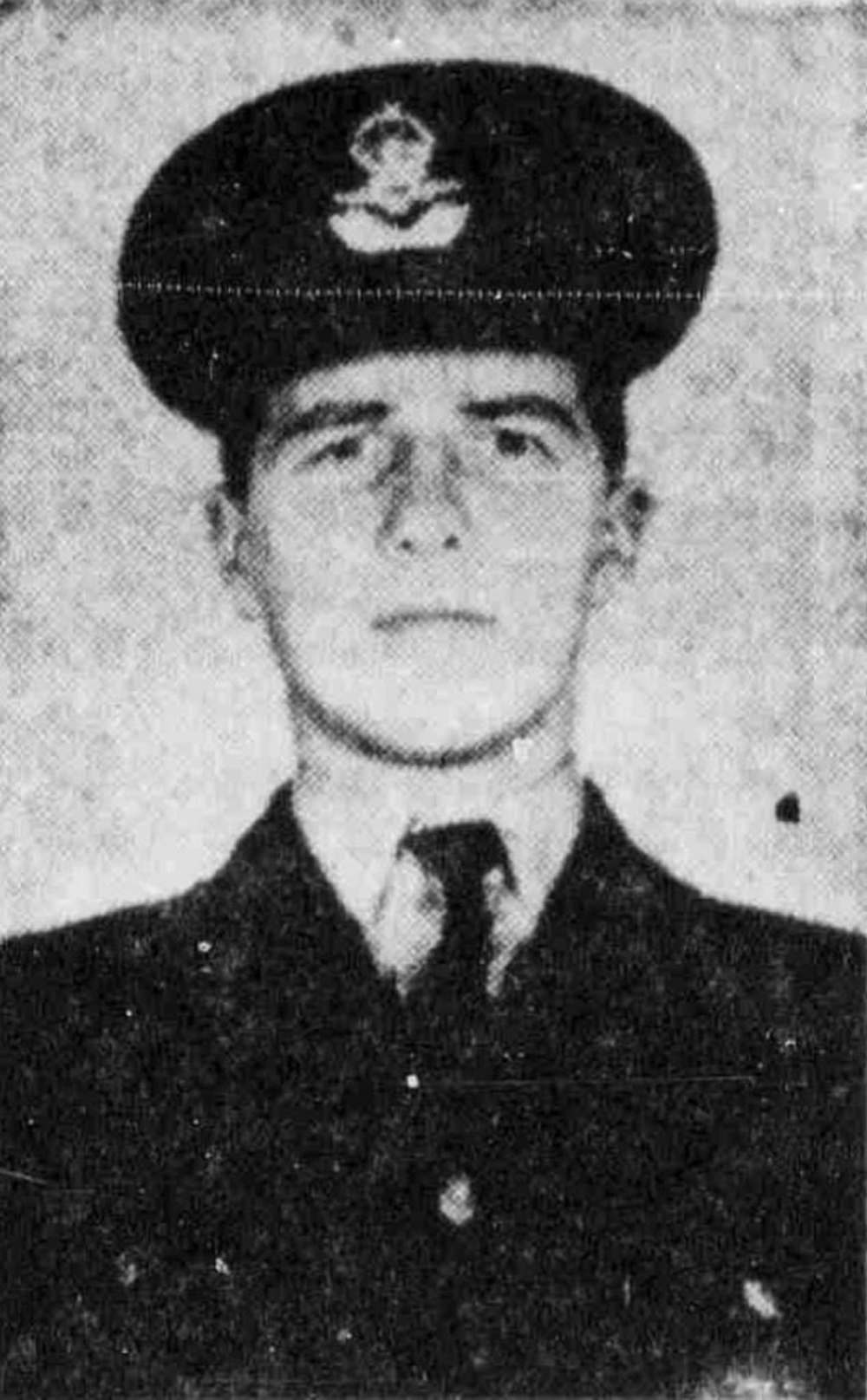
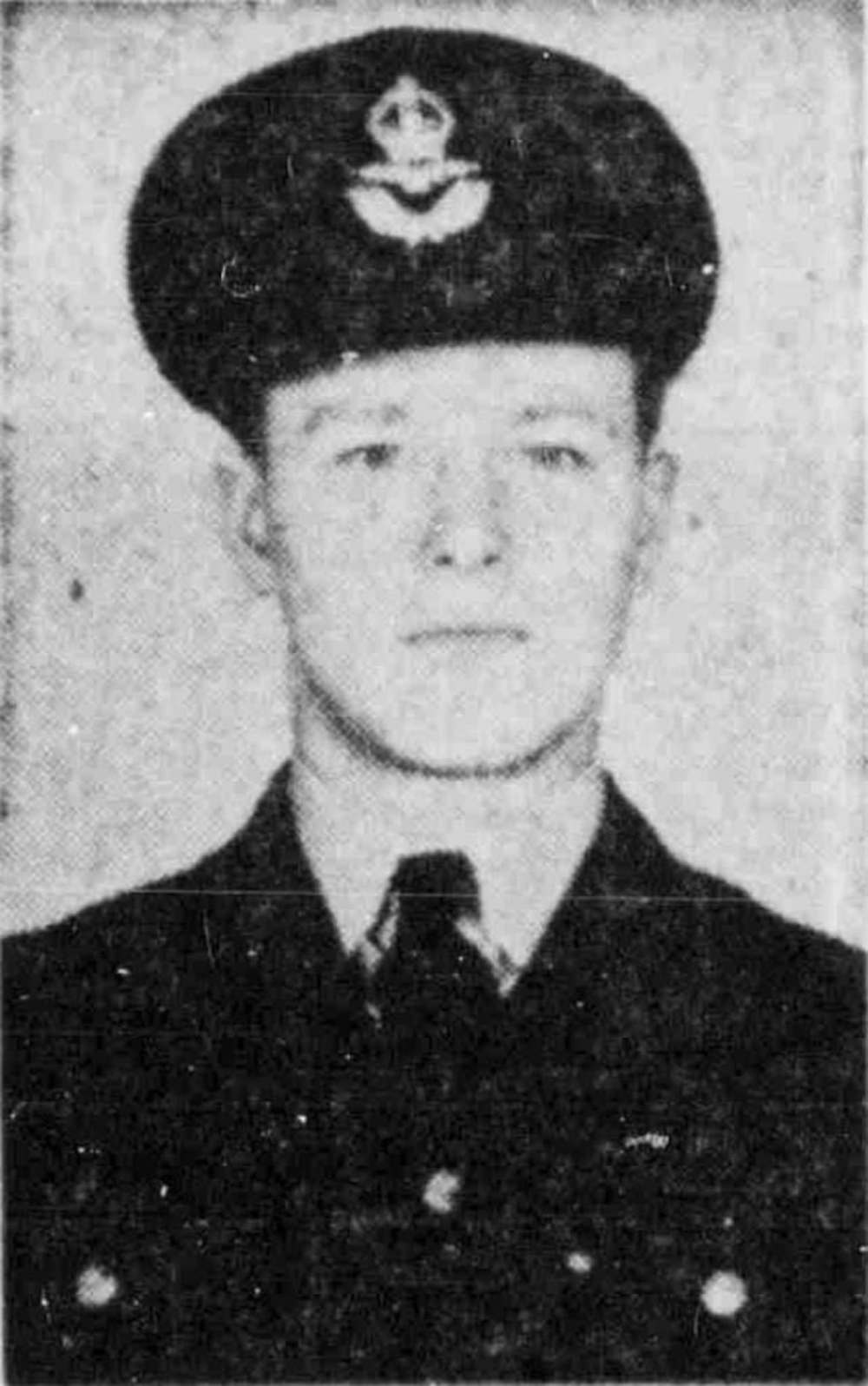
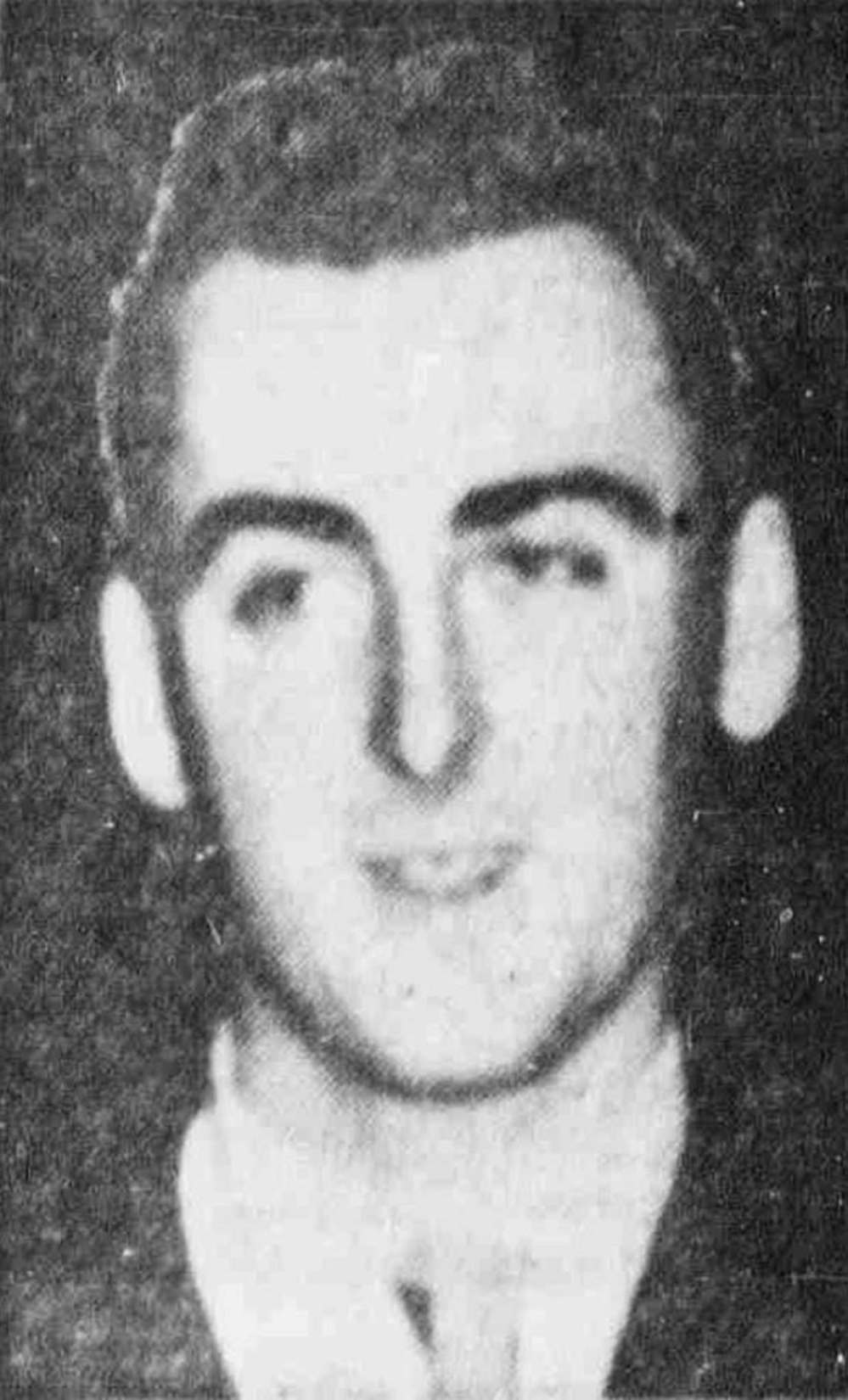
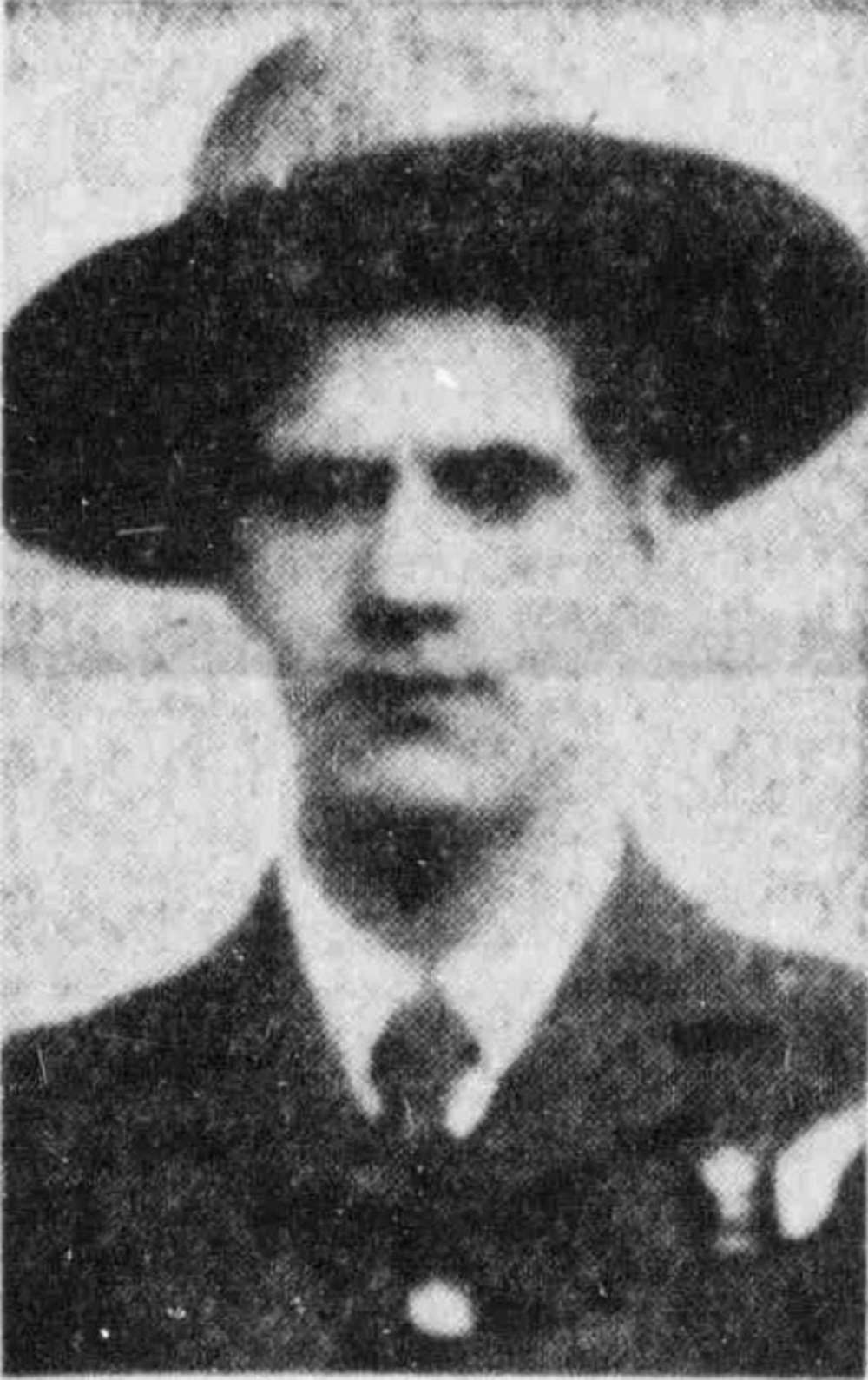
Flight Officer Chow-Leong’s flight was one of 11 to leave No. 2 Air Training School on the morning of Feb. 4, 1952.
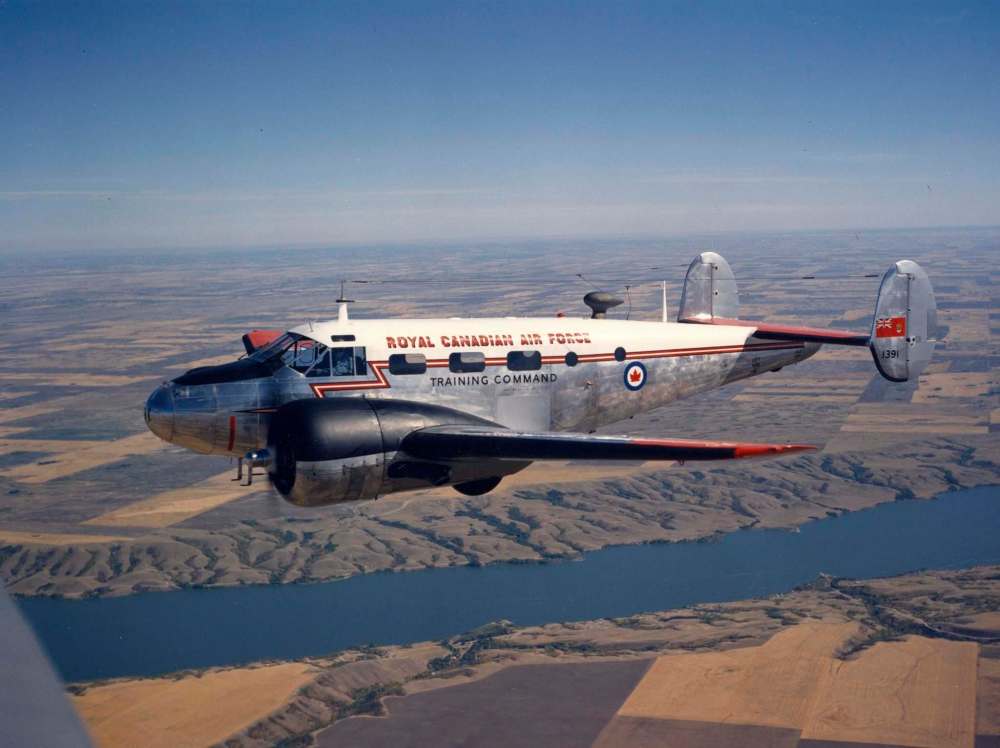
He departed Winnipeg at 11:28 a.m. in his C-45 Expeditor along with two pilots in training, Acting Pilot Officer Peter Frederick Harvey, 20, of Cambridgeshire, England, and Acting Pilot Officer Edward Scanlan, 18, of London, England. They were part of a class of about 50 mostly Royal Air Force trainees who arrived in Winnipeg in November 1951 and were to graduate the following August.
It was a blustery, foggy morning in southern Manitoba, and as the flight continued, the weather worsened.
At noon, Chow-Leong’s flight was nearing Carman. Just a couple of kilometres outside of town stood the CBC Manitoba transmitter. Opened in 1948 to broadcast CBC Radio, four years before television broadcasting arrived in the province in 1954, it consisted of a 175-metre tall steel tower and a 279-square-metre service building.
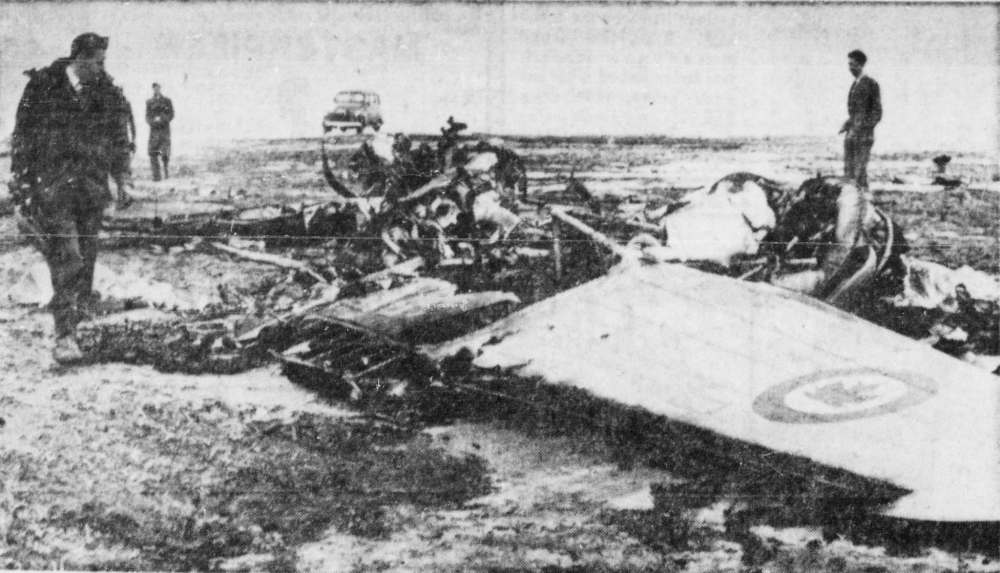
Chow-Leong’s plane struck one of the guy wires that anchored the tower to the ground. The plane spun and crashed in a field about 500 metres away. An area farmer saw what happened and sped to the transmitter’s building to inform the staff. They grabbed fire extinguishers and rushed to the scene, but it was too late. The three men had already died in the burning wreckage.
Not long after, a second RCAF plane also buzzed by the tower, narrowly avoiding a second air disaster.
One of the men at the scene was the transmitter’s chief engineer, R.L. Punshon. When the fog began to lift, he noticed the top 25-metre portion of the tower was leaning at a 30-degree angle. Fearing it could fall onto the building, he contacted Dominion Bridge of Winnipeg — the company that installed the tower — to assess the damage.
At 6 p.m., a team from Dominion Bridge arrived and determined the guy wire needed to be replaced, and a more detailed examination of the structure could be made when the weather improved.
By the time the necessary equipment, including spotlights and heavy gauge wire, arrived at the scene, it was late at night.
At 12:05 a.m. the next day, three employees — Walter Burtnyk, 28, of Winnipeg, Jake Dyck, 23, of Grunthal and Ronald Erickson, 19, of Tyndall — began their ascent to the top of the tower.
Twenty minutes later, the men were still climbing when Punshon said, “I heard a cracking noise up the tower… Then I saw something falling, high up, and heard the foreman shouting, ‘She’s away.’”
The top 25-metre portion of the tower had broken away and fell to the ground. The remainder of the tower stood for a few seconds, then it, too, began to collapse. It was described by a Free Press reporter as being like “an angry, giant boa constrictor, writhing and twisting as it fell.”
Punshon later told the weekly magazine CBC Times, “There were about 25 technicians and engineers around the base, and as the tower started to fall, they all ran trying to avoid both the falling tower and the broken guy wires that were whipping around… It was a miracle that all on the ground escaped.”
When the wreckage settled, would-be rescuers rushed to look for the men who climbed the tower, but all were dead. Erickson, nearest the top, was thrown free, while the other two were amid the tangled steel. Torches had to be used to remove their bodies.
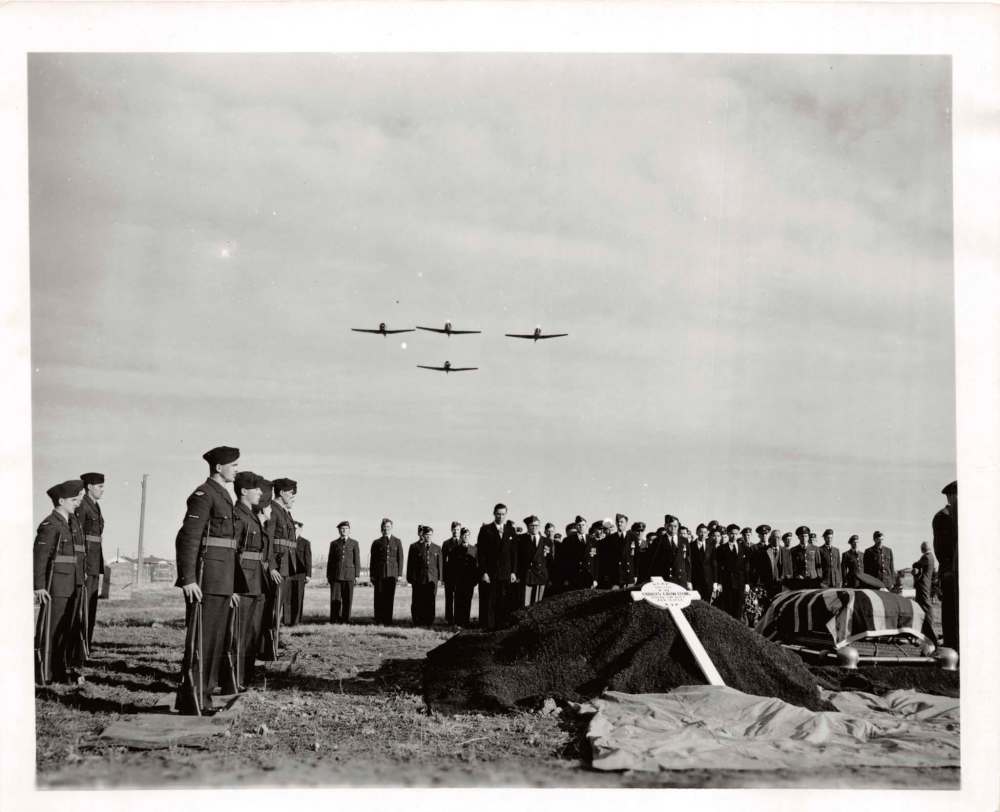
The remains of Chow-Leong, who left behind a widow and infant daughter, were returned to Lethbridge for burial. Hundreds of residents lined the route from the hall where he lay in state to the cemetery. His military funeral included a military flypast and gun salute.
The two British airmen, Peter Harvey and Edward Scanlan, had their funerals in Winnipeg at different churches and were buried on the same day in the military section of Brookside Cemetery.
The bodies of the Dominion Bridge workers were returned to their respective hometowns for burial.
Numerous inquiries were held into both incidents, including a 15-member RCAF board of inquiry, though none appears to have assessed any blame. The RCAF report, if it was released publicly, appears not to have been reported on in the newspapers of the day.
This lack of followup may seem strange today, but at the time, such accidents were a common occurrence. There were at least two other fatal RCAF accidents on Canadian soil that same week. The RCAF Association of Canada’s inventory of postwar RCAF training fatalities notes more than 30 deaths in 1952 alone.
The CBC was knocked off the air until 6:45 a.m. on Feb. 7, when a temporary transmitter was erected. In that 54-hour period, the CBC missed reporting on the biggest international news story since the end of the war: the Feb. 6 death of King George VI and the proclamation of his eldest daugther, Princess Elizabeth, as Queen.
Christian Cassidy writes about local history on his blog, West End Dumplings.