

Equitable access to PPE, social supports needed: Tam
Advertisement
Read this article for free:
or
Already have an account? Log in here »
To continue reading, please subscribe:
Monthly Digital Subscription
$0 for the first 4 weeks*
- Enjoy unlimited reading on winnipegfreepress.com
- Read the E-Edition, our digital replica newspaper
- Access News Break, our award-winning app
- Play interactive puzzles
*No charge for 4 weeks then price increases to the regular rate of $19.00 plus GST every four weeks. Offer available to new and qualified returning subscribers only. Cancel any time.
Monthly Digital Subscription
$4.75/week*
- Enjoy unlimited reading on winnipegfreepress.com
- Read the E-Edition, our digital replica newspaper
- Access News Break, our award-winning app
- Play interactive puzzles
*Billed as $19 plus GST every four weeks. Cancel any time.
To continue reading, please subscribe:
Add Free Press access to your Brandon Sun subscription for only an additional
$1 for the first 4 weeks*
*Your next subscription payment will increase by $1.00 and you will be charged $16.99 plus GST for four weeks. After four weeks, your payment will increase to $23.99 plus GST every four weeks.
Read unlimited articles for free today:
or
Already have an account? Log in here »
Hey there, time traveller!
This article was published 15/01/2022 (1425 days ago), so information in it may no longer be current.
OTTAWA — Canada’s top doctor says Manitoba can’t rely on individuals to avoid catching COVID-19 unless they’re given adequate equipment and social supports.
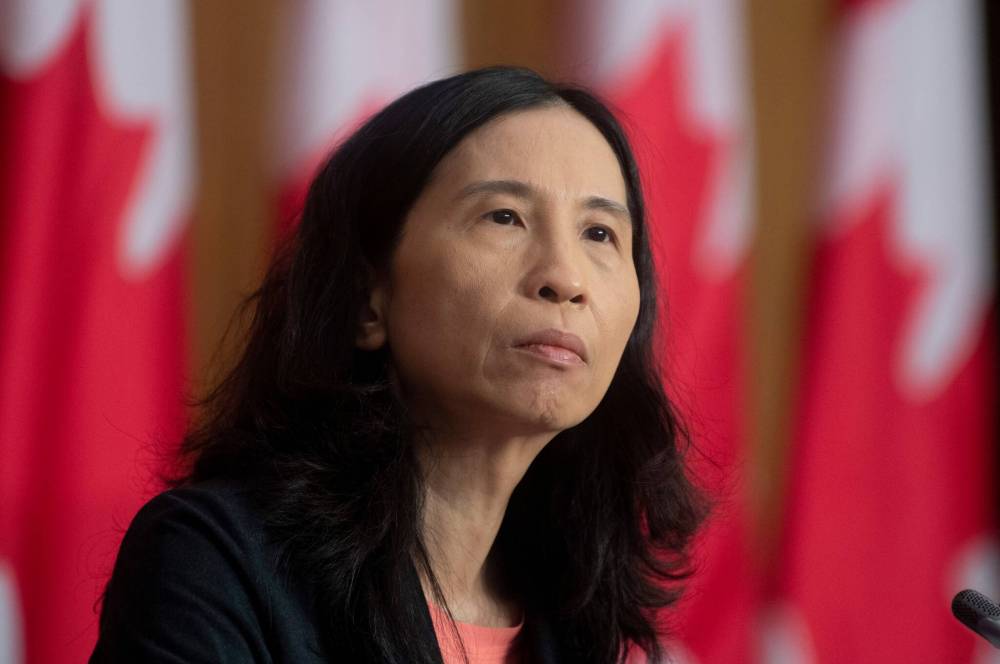
“Getting equitable access to layers of protection is always a concern,” Dr. Theresa Tam, Canada’s chief public health officer, said Friday, in response to questions from the Free Press.
On Wednesday, Premier Heather Stefanson announced a drastic shift in Manitoba’s COVID-19 focus, away from trying to contain cases toward avoiding deaths and severe outcomes.
“This virus is running throughout our community and it’s up to Manitobans to look after themselves,” Stefanson said, arguing current restrictions put enough strain on business and mental health.
“We must all learn to live with this virus; there must be a balance.”
Tam said that only works if people have adequate social supports, as well as masks and rapid tests.
“We’re also concerned about the distribution of rapid tests to those who may have needs but can’t access (them),” Tam said.
“Distributing good, high-quality masks, for example, to populations experiencing equity disparities is actually important.”
Tam said non-profits like the Red Cross are helping to meet that need, while provinces have a role to supply that equipment, as does Ottawa on First Nations reserves.
She said those who can’t work from home need help to stay safe.
“It’s also extremely important (to) make sure that they have everything that they need to protect themselves,” Tam said.

On Ottawa’s part, Tam said social supports for people who have lost their income due to COVID-19 are meant to help prevent people from falling through the cracks.
“At the federal level, one of our roles is trying to assess and level the playing field as much as we can.”
Throughout her term, including before the COVID-19 pandemic, Tam has focused on health equity and social determinants, which means mitigating historical and current factors that lead to more illness.
That includes overcrowded housing on First Nations reserves, the lack of fresh and affordable food in low-income areas, and health services that aren’t easily accessed by public transit.
dylan.robertson@freepress.mb.ca