

Heat the hottest story of 2019
Climate change — politically fraught, hotly debated — top international issue of year

Advertisement
Read this article for free:
or
Already have an account? Log in here »
To continue reading, please subscribe:
Monthly Digital Subscription
$1 per week for 24 weeks*
- Enjoy unlimited reading on winnipegfreepress.com
- Read the E-Edition, our digital replica newspaper
- Access News Break, our award-winning app
- Play interactive puzzles
*Billed as $4.00 plus GST every four weeks. After 24 weeks, price increases to the regular rate of $19.95 plus GST every four weeks. Offer available to new and qualified returning subscribers only. Cancel any time.
Monthly Digital Subscription
$4.99/week*
- Enjoy unlimited reading on winnipegfreepress.com
- Read the E-Edition, our digital replica newspaper
- Access News Break, our award-winning app
- Play interactive puzzles
*Billed as $19.95 plus GST every four weeks. Cancel any time.
To continue reading, please subscribe:
Add Free Press access to your Brandon Sun subscription for only an additional
$1 for the first 4 weeks*
*Your next subscription payment will increase by $1.00 and you will be charged $16.99 plus GST for four weeks. After four weeks, your payment will increase to $23.99 plus GST every four weeks.
Read unlimited articles for free today:
or
Already have an account? Log in here »
Hey there, time traveller!
This article was published 30/12/2019 (2272 days ago), so information in it may no longer be current.
On the night before Christmas, the warmth was spreading across Antarctica, which is engaged in its annual summer melt. That day, data showed, as much as 15 per cent of the continent’s ice surface melted away, which if accurate — it will take a few years to confirm — would set a single-day record.
If true, it will be one of many such records set in 2019. So far this season, Antarctica has produced a record 230 per cent more meltwater than average. In the summer, a heat spike melted as much as 12.5 billion tons of ice from Greenland, another single-day record.
July was the world’s hottest month ever recorded, with temperatures .95 C above the typical average. That followed June, which was the hottest June ever recorded, in the midst of a summer that set more than 400 all-time high-temperature records across the northern hemisphere.
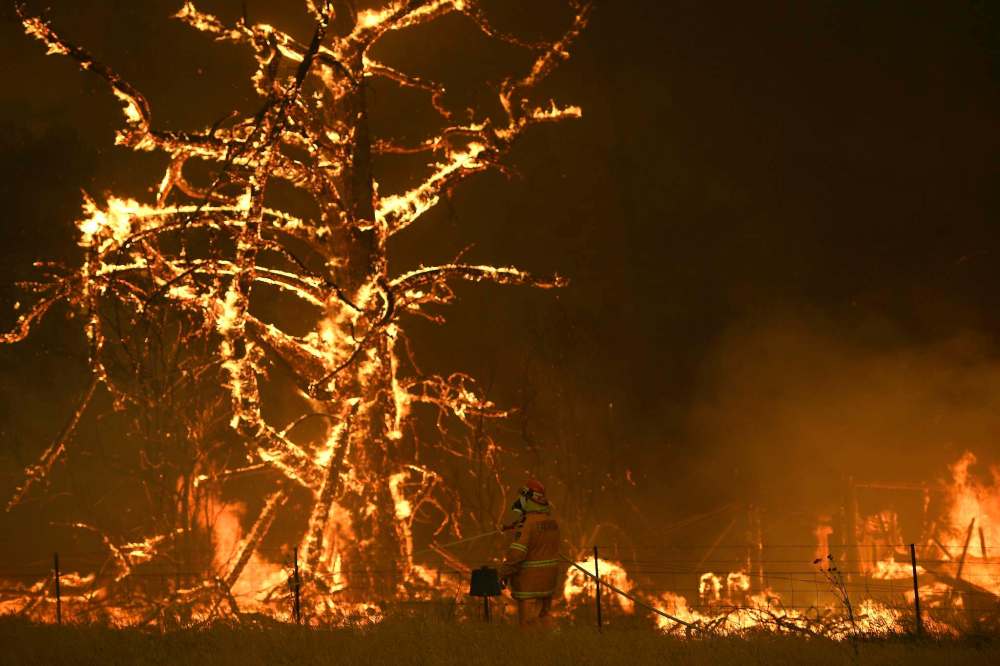
By now, the drumbeat of such headlines is familiar, and in 2019 that rhythm picked up speed. There were warnings, data, extreme weather. Australia is on fire, and in December marked its hottest day ever recorded. Videos of singed koalas reaching out for water in smouldering ditches raced through social media.
It was a year in which more than 11,000 scientists signed one of the most urgent warnings yet, a new report published in the journal Bioscience. In the report, signatories declared that the Earth is in the grip of a climate crisis, one that’s accelerating faster than previously thought, risking a future of “untold suffering” from ecological impact.
It was a year in which Greta Thunberg became an icon of youth resistance, drawing the ire of politicians and inspiring a wave of global protests that sent seven million people into the streets in September. For this, she was named Time Magazine’s person of the year, irritating a certain American president.
This is the year in climate change, and in resistance. It is swiftly becoming the most intractable global issue of a generation, the most politically fraught, the most hotly debated. It is also the most pressing international story of 2019, as voted by Free Press readers, and it is likely to remain a contender for years to come.
There were other stories that readers could have chosen. In March, the crash of Ethiopian Airlines Flight 302 led to a worldwide grounding of all Boeing 737 MAX aircraft. As details about flaws in the aircraft’s systems came to light, it would prompt massive industry scrutiny and, by December, the firing of Boeing CEO Dennis Muilenburg.

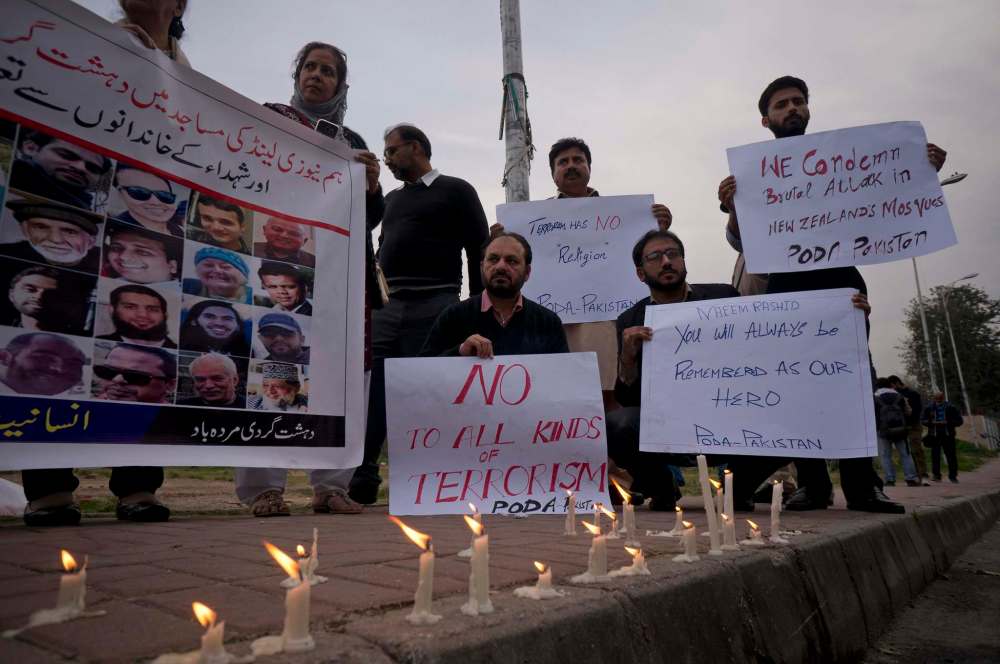
Days after that crash, another horror made the news, this time when a white supremacist terrorist massacred 51 people and injured 49 others in attacks on two mosques in Christchurch, New Zealand. In a grim sign of the times, he livestreamed the first of the attacks on Facebook, and posted a hateful manifesto online.
It was a year in which China flexed its growing muscle, cracking down on mass public protests in Hong Kong and ramping up a trade war with the United States, one that now has Canada caught in the middle, a gathering crisis.
And there was Donald Trump, always Trump, the U.S. president who is perpetually embattled: by the release of the Mueller report and then, as the year drew to its close, by a successful impeachment vote in Congress. With next year’s election looming, that story should only get more fraught in 2020.
But above it all, there was climate change, and the way people organized to call to action against it. It’s not so hard to understand why it should be the story of the year. If the scientists who study this issue are right, and humanity gets this wrong, then everything else pales in comparison to the climate crises to come.
Will we get it right? We know how this story begins, but it’s much harder to see the ending. It is a year that, like all those before it, offered few answers. A global popular movement to combat climate change is coalescing, but the political and corporate will to take decisive action lags far behind.
Still, what happened in 2019 spoke of a new awakening. It is too early to announce that as a decisive factor in what happens next: the Guardian, in a similar year-end piece, announced that “climate change denial was defeated in 2019,” which seems premature, at best. But there is no doubt the public is more ready than ever to act.
melissa.martin@freepress.mb.ca
Melissa Martin
Reporter-at-large
Melissa Martin reports and opines for the Winnipeg Free Press.
Every piece of reporting Melissa produces is reviewed by an editing team before it is posted online or published in print — part of the Free Press‘s tradition, since 1872, of producing reliable independent journalism. Read more about Free Press’s history and mandate, and learn how our newsroom operates.
Our newsroom depends on a growing audience of readers to power our journalism. If you are not a paid reader, please consider becoming a subscriber.
Our newsroom depends on its audience of readers to power our journalism. Thank you for your support.
Melissa Martin
Reporter-at-large
Melissa Martin reports and opines for the Winnipeg Free Press.
Every piece of reporting Melissa produces is reviewed by an editing team before it is posted online or published in print — part of the Free Press‘s tradition, since 1872, of producing reliable independent journalism. Read more about Free Press’s history and mandate, and learn how our newsroom operates.
Our newsroom depends on a growing audience of readers to power our journalism. If you are not a paid reader, please consider becoming a subscriber.
Our newsroom depends on its audience of readers to power our journalism. Thank you for your support.
Advertisement Advertise With Us
Advertisement Advertise With Us
History
Updated on Monday, December 30, 2019 9:39 AM CST: Clarified to read 15 per cent of the continent’s ice surface melted.