

Inmate segregation in spotlight
Study of federal correctional system eyes effects of solitary confinement
Advertisement
Read this article for free:
or
Already have an account? Log in here »
To continue reading, please subscribe:
Monthly Digital Subscription
$1 per week for 24 weeks*
- Enjoy unlimited reading on winnipegfreepress.com
- Read the E-Edition, our digital replica newspaper
- Access News Break, our award-winning app
- Play interactive puzzles
*Billed as $4.00 plus GST every four weeks. After 24 weeks, price increases to the regular rate of $19.95 plus GST every four weeks. Offer available to new and qualified returning subscribers only. Cancel any time.
Monthly Digital Subscription
$4.99/week*
- Enjoy unlimited reading on winnipegfreepress.com
- Read the E-Edition, our digital replica newspaper
- Access News Break, our award-winning app
- Play interactive puzzles
*Billed as $19.95 plus GST every four weeks. Cancel any time.
To continue reading, please subscribe:
Add Free Press access to your Brandon Sun subscription for only an additional
$1 for the first 4 weeks*
*Your next subscription payment will increase by $1.00 and you will be charged $16.99 plus GST for four weeks. After four weeks, your payment will increase to $23.99 plus GST every four weeks.
Read unlimited articles for free today:
or
Already have an account? Log in here »
Hey there, time traveller!
This article was published 04/10/2018 (2757 days ago), so information in it may no longer be current.
The detrimental effect of solitary confinement on prisoners was a key issue brought before the Senate committee on human rights, which made a stop Thursday in Winnipeg as part of its coast-to-coast study of Canada’s federal correctional system.
Three senators, including Jane Cordy, Kim Pate and chairwoman Wanda Thomas Bernard, heard presentations from experts in three rounds of panels and held a town hall-style meeting during a public hearing at the Ma Mawi Wi Chi Itata Centre event hall.
Experts came from Legal Aid Manitoba, John Howard Society of Manitoba and the Indigenous Women’s Healing Centre, among others, as well as former inmates and lawyers.
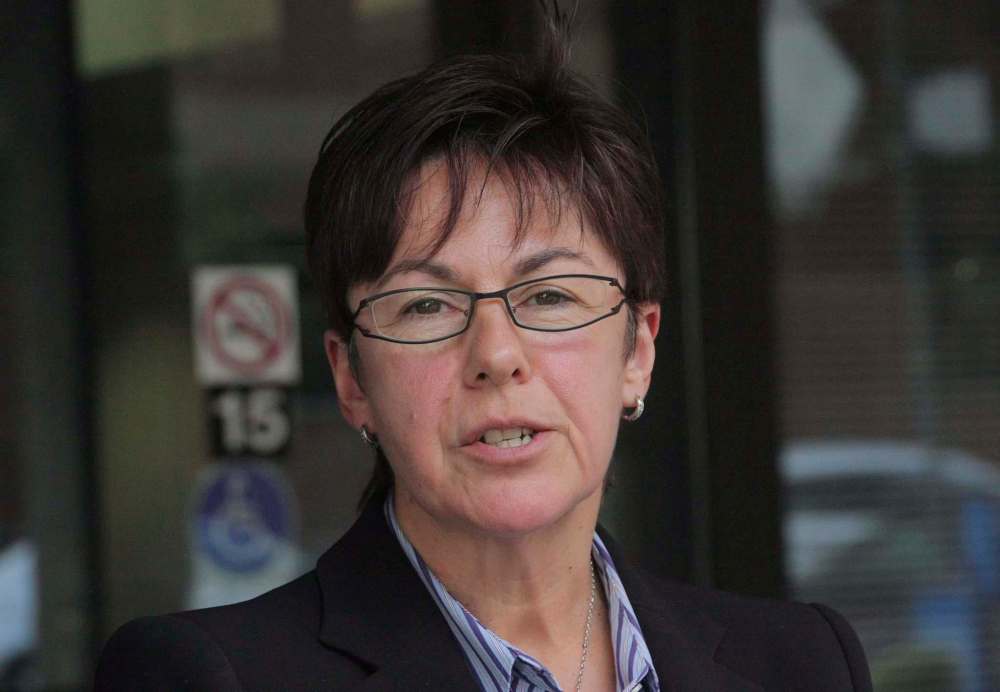
“We’re hearing a lot of concerns about segregation. What a lot of people don’t know, including lawyers and judges working in this area, is that every prisoner who is classified as a maximum-security prisoner is living in a status of segregation; being separated from the rest of the population in each of federal penitentiaries,” Pate said in a telephone interview during a break in Thursday’s session.
The former executive director of the Canadian Association of Elizabeth Fry Societies, Pate is also an advocate who has spent the past 35 years working in and around Canada’s legal and penal systems.
Pate said most of the previous concerns have been focused on segregation as a place — prisoners in what is usually called solitary confinement — as opposed to the status of being separated from other people.
“What a lot of people don’t realize is that increasingly, individuals who are classified as maximum security are often locked in their cells for 20 or more hours a day,” Pate said.
“It hasn’t really been addressed by any of the research that’s been done in the area of solitary confinement and segregation… nor is it dealt with by the United Nations guidelines. So, those are areas that probably will be, for the first time, aired in the work that is done by this committee.”

Pate said the hearings are designed to include voices from across the nation.
“Part of the reason we’re travelling, and we’ve been in every region of the country, is so that we can actually identify what the issues are and what can be done to change the situation in Canada,” she said.
“We know that if we have a prison system uphold the human rights of prisoners, it is not only a good living environment or a better living environment for prisoners, it’s a better working environment for staff and it promotes public safety long term.”
The committee began its study in February 2017 to examine the human rights of prisoners within Canada’s federal correctional system, as well as the situation of members of vulnerable or disadvantaged groups in prisons, including Indigenous Peoples, black people and other racialized prisoners, women and people with mental-health issues.
ashley.prest@freepress.mb.ca