

‘It sent a shiver up my spine’
Witnesses say accused in Tina Fontaine case had same duvet cover as one found wrapped around teen's body

Advertisement
Read this article for free:
or
Already have an account? Log in here »
To continue reading, please subscribe:
Digital Subscription
One year of digital access for only $1.44 a week*
- Enjoy unlimited reading on winnipegfreepress.com
- Read the E-Edition, our digital replica newspaper
- Access News Break, our award-winning app
- Play interactive puzzles
*Billed as $5.77 plus GST every four weeks. After 52 weeks, price increases to the regular rate of $19.95 plus GST every four weeks. Offer available to new and qualified returning subscribers only. Cancel any time.
To continue reading, please subscribe:
Add Free Press access to your Brandon Sun subscription for only an additional
$1 for the first 4 weeks*
- Enjoy unlimited reading on winnipegfreepress.com
- Read the E-Edition, our digital replica newspaper
- Access News Break, our award-winning app
- Play interactive puzzles
*Your next Brandon Sun subscription payment will increase by $1.00 and you will be charged $17.95 plus GST for four weeks. After four weeks, your payment will increase to $24.95 plus GST every four weeks.
Read unlimited articles for free today:
or
Already have an account? Log in here »
Hey there, time traveller!
This article was published 02/02/2018 (3077 days ago), so information in it may no longer be current.
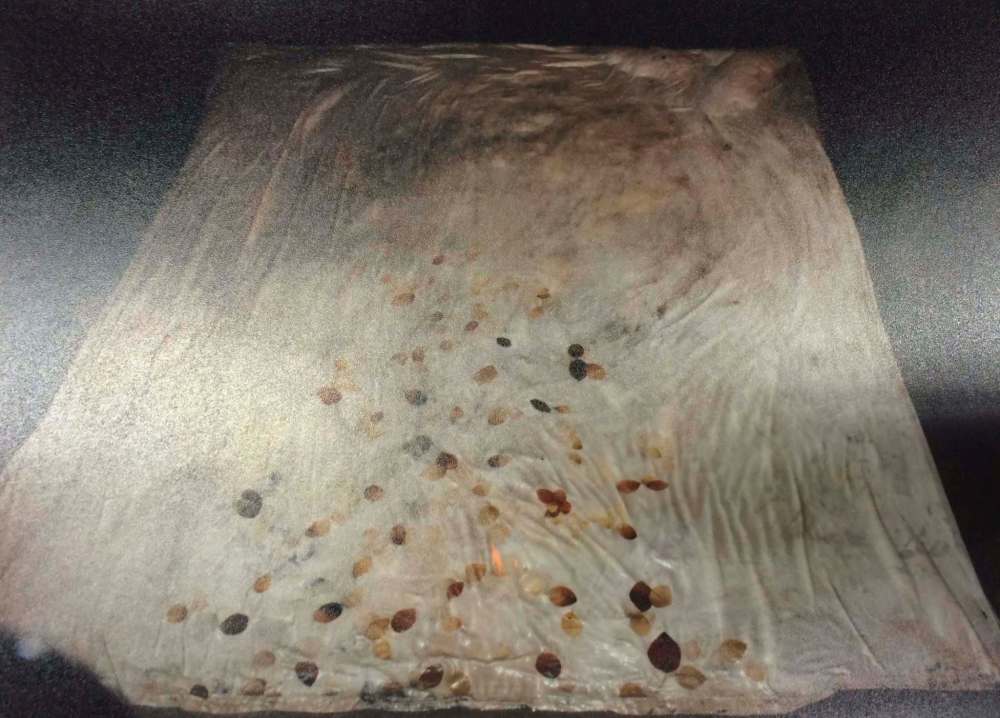
In a homicide case that doesn’t involve any DNA evidence against the accused killer, a jury heard testimony Thursday about whether Raymond Cormier owned the same duvet cover that was found wrapped around the body of 15-year-old Tina Fontaine when she was pulled from the Red River nearly four years ago.
Cormier, 55, has pleaded not guilty to second-degree murder in the high-profile case.
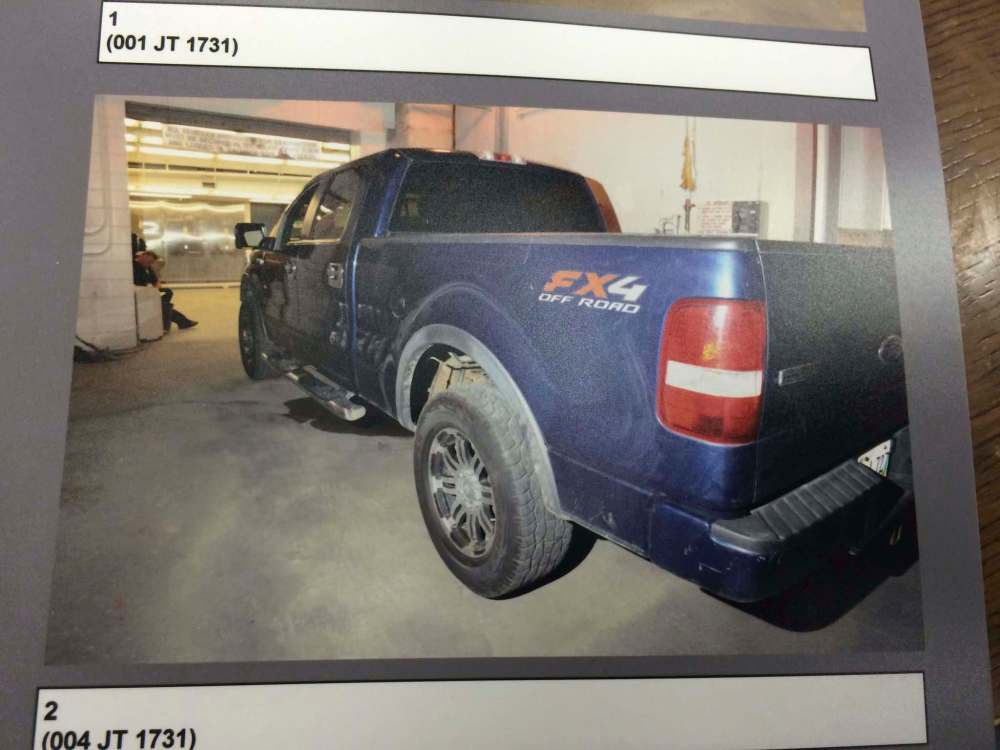
The fourth day of his jury trial in Winnipeg focused on the complete absence of DNA evidence linking him to Tina’s body or the stolen truck prosecutors suggested he may have used to take her body to the Alexander Docks, where Tina was found Aug. 17, 2014.

Two Crown witnesses who testified Thursday told police they had seen Cormier with the same Costco-brand duvet cover as the one that later surfaced near Alexander Docks, muddy and weighed down with 11.5 kilograms of rocks, enveloping Tina’s body.
Ida Beardy and her now-19-year-old daughter, Chantelle Beardy, both said they were sure Cormier — who they knew as a homeless man named “Frenchie” — had the same duvet cover.
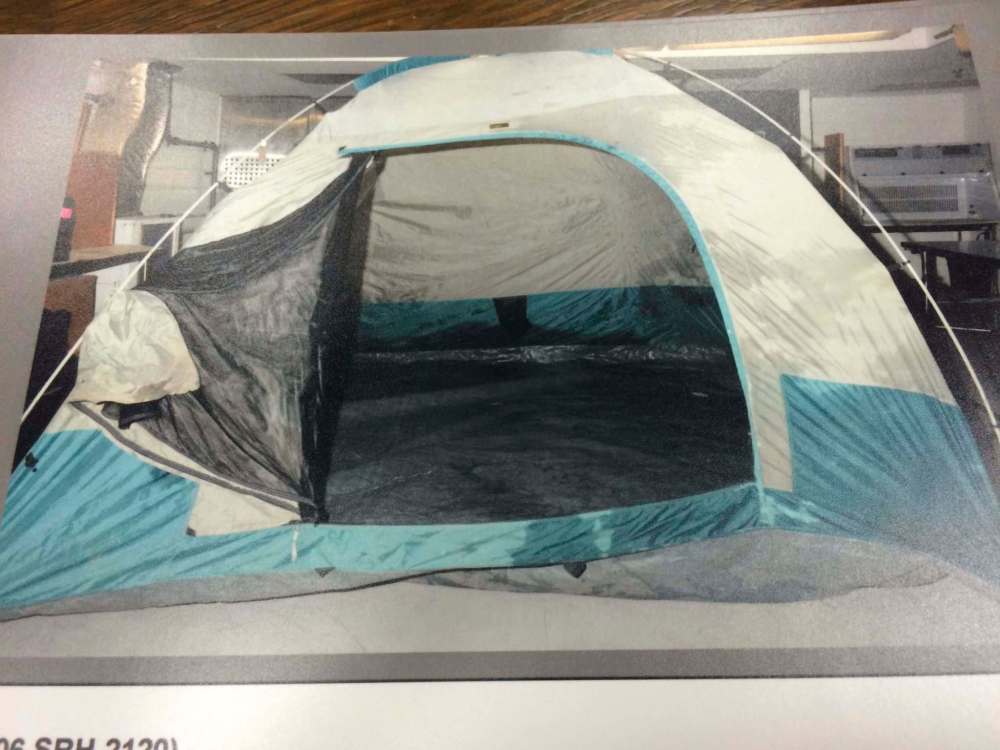
Cormier lived for a time in a tent in the Beardys’ backyard on Alexander Avenue. The tent was later seized and examined by Winnipeg police.
In combative testimony, during which she hurled insults at defence lawyer Tony Kavanagh “for defending him,” Ida Beardy said she knew police were seizing the tent “because of the teenager in the river.”
She repeatedly said she was sure the photo of a duvet cover police showed her and her daughters was the same one she had seen among Cormier’s belongings in the tent, or sometimes airing out on a fence behind her home.
“I know when I seen that blanket. It sent a shiver up my spine,” she said, recalling seeing the photo police displayed.
“You wanted to help the police as much as you could,” Kavanagh suggested during cross-examination.
“Yes, of course, wouldn’t you?” she fired back.
Chantelle Beardy testified she was as sure about seeing the duvet cover as she was Cormier had lived in the tent starting Aug. 1, 2014 — although she admitted during cross-examination she was wrong about that date.
“I get dates mixed up, but I’m sure about the blankets,” she said.
The Winnipeg Police Service’s (WPS) homicide investigation zeroed in on the duvet cover, and sent officers on a citywide canvass of everyone police believed had purchased the same type.
The covers were made for and sold exclusively by Costco Canada, 864 were sold in Winnipeg between 2013 and Tina’s death in 2014. About 100 of those were the same pattern as the one found with Tina’s body, and police contacted all of the buyers to find out whether they still had the duvets or what had happened to them, WPS Det. Sgt. Esther Schmeider testified Thursday.
About 29 of the unsold duvet covers were considered surplus and were sent by Costco to thrift stores in Winnipeg.
The duvet cover in question wasn’t among Cormier’s belongings when police searched his residence on Carmen Avenue in October 2014. He was brought in for questioning and later released in relation to the homicide case early that month.
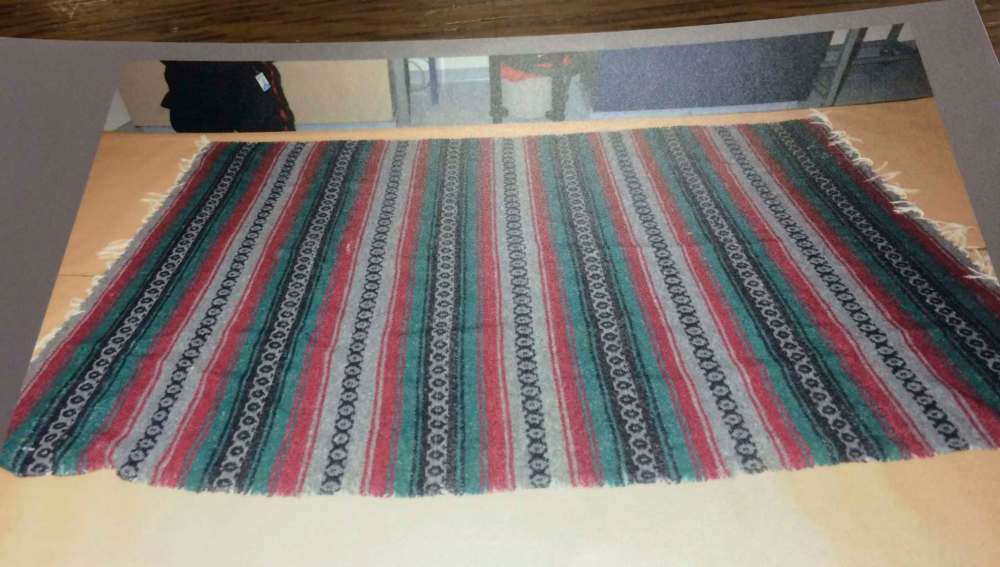
Officers did seize three “Mexican-style” woven blankets they believed belonged to Cormier, and sent them to be examined by a civilian member of the RCMP who is an expert in fibre and textile analysis. The WPS wanted to find out whether Cormier’s blankets matched any of the fibres found in the duvet cover, in the tent and in a truck that had been reported stolen and may have been washed down before police seized it.
Douglas Robert Orr testified Thursday he couldn’t “offer a conclusion,” because of how Cormier’s blankets were made. The “shoddy construction” of them used recycled yarn that contained between 15 to 20 different kinds of fibres.
Orr couldn’t examine all of the fibres in each and every blanket, so he couldn’t say whether the other fibres police found matched them.
“I cannot say one way or the other,” he said.

The jury also heard from mitochondrial DNA analyst Amarjit Chahal, who was sent exhibits in the case “as a last resort,” after the RCMP labs were unable to develop nuclear DNA profiles from them, Crown prosecutor James Ross said.
Chahal confirmed Cormier was excluded based on his DNA analysis of samples of the duvet cover and hairs found within it, as well as of swabs taken from the stolen truck.
The Crown suggested there was some evidence the truck had been cleaned before police examined it. During cross-examination questioning from defence lawyer Andrew Synyshyn, Chahal said it’s possible for trace amounts of DNA — particularly on hairs — to still be present after an item has been washed or submerged in water.
katie.may@freepress.mb.ca
Twitter: @thatkatiemay
Katie May is a multimedia producer for the Free Press.
Our newsroom depends on a growing audience of readers to power our journalism. If you are not a paid reader, please consider becoming a subscriber.
Our newsroom depends on its audience of readers to power our journalism. Thank you for your support.
Katie May is a multimedia producer for the Free Press.
Our newsroom depends on a growing audience of readers to power our journalism. If you are not a paid reader, please consider becoming a subscriber.
Our newsroom depends on its audience of readers to power our journalism. Thank you for your support.
Related Articles
Cops in Cormier trial tell court they were 'thinking outside the box' by using photo of duvet cover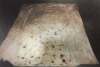
Advertisement Advertise With Us
Advertisement Advertise With Us