Little schoolhouse on the Prairie
Building a big deal in Charleswood's early days
Advertisement
Read this article for free:
or
Already have an account? Log in here »
To continue reading, please subscribe:

Digital Subscription
One year of digital access for only $205*
- Enjoy unlimited reading on winnipegfreepress.com
- Read the E-Edition, our digital replica newspaper
- Access News Break, our award-winning app
- Play interactive puzzles
*First annual payment billed as $205.00 + GST for one year. This annual subscription will automatically renew at $233.00 + GST every 52 weeks (10% off the regular annual price of $259.35). Offer available to new and qualified returning subscribers only. Cancel any time.
To continue reading, please subscribe:
Add Free Press access to your Brandon Sun subscription for only an additional
$1 for the first 4 weeks*
- Enjoy unlimited reading on winnipegfreepress.com
- Read the E-Edition, our digital replica newspaper
- Access News Break, our award-winning app
- Play interactive puzzles
*Your next Brandon Sun subscription payment will increase by $1.00 and you will be charged $17.95 plus GST for four weeks. After four weeks, your payment will increase to $24.95 plus GST every four weeks.
Read unlimited articles for free today:
or
Already have an account? Log in here »
Hey there, time traveller!
This article was published 15/05/2016 (3805 days ago), so information in it may no longer be current.
Last month, the Free Press reported the parents and guardians of all 51 students attending Chapman School have requested their children be transferred to nearby Royal School for the next school year. The move would effectively close the facility.
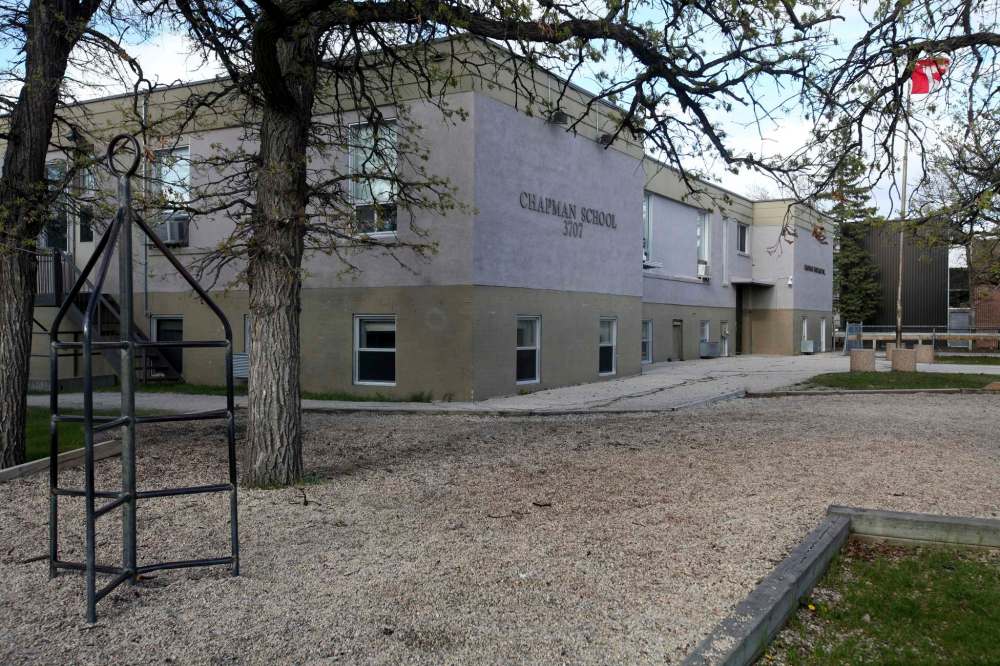
Today, Chapman School, located at 3707 Roblin Blvd., is the city’s smallest public school, nestled in a built-up suburb. For most of its 102-year history, though, it was a vibrant cornerstone of community life in a predominantly rural Charleswood.
The beginnings
The Rural Municipality of Charleswood was created in 1913, carved out of the vast RM of Assiniboia. At the time, the only school in the area was the single-room Charleswood School, which dated back to the late 1880s.
Charleswood’s municipal council first met March 29, 1913 and went about establishing itself by hiring staff, passing basic bylaws and carrying out infrastructure work such as road grading and the laying of culverts.
Barely a month into their work, the council was presented with a petition from area residents requesting another school district be created to serve the eastern portion of the municipality. The new entity was already named in the petition: Chapman School District after George Thomas Chapman, the municipality’s reeve.
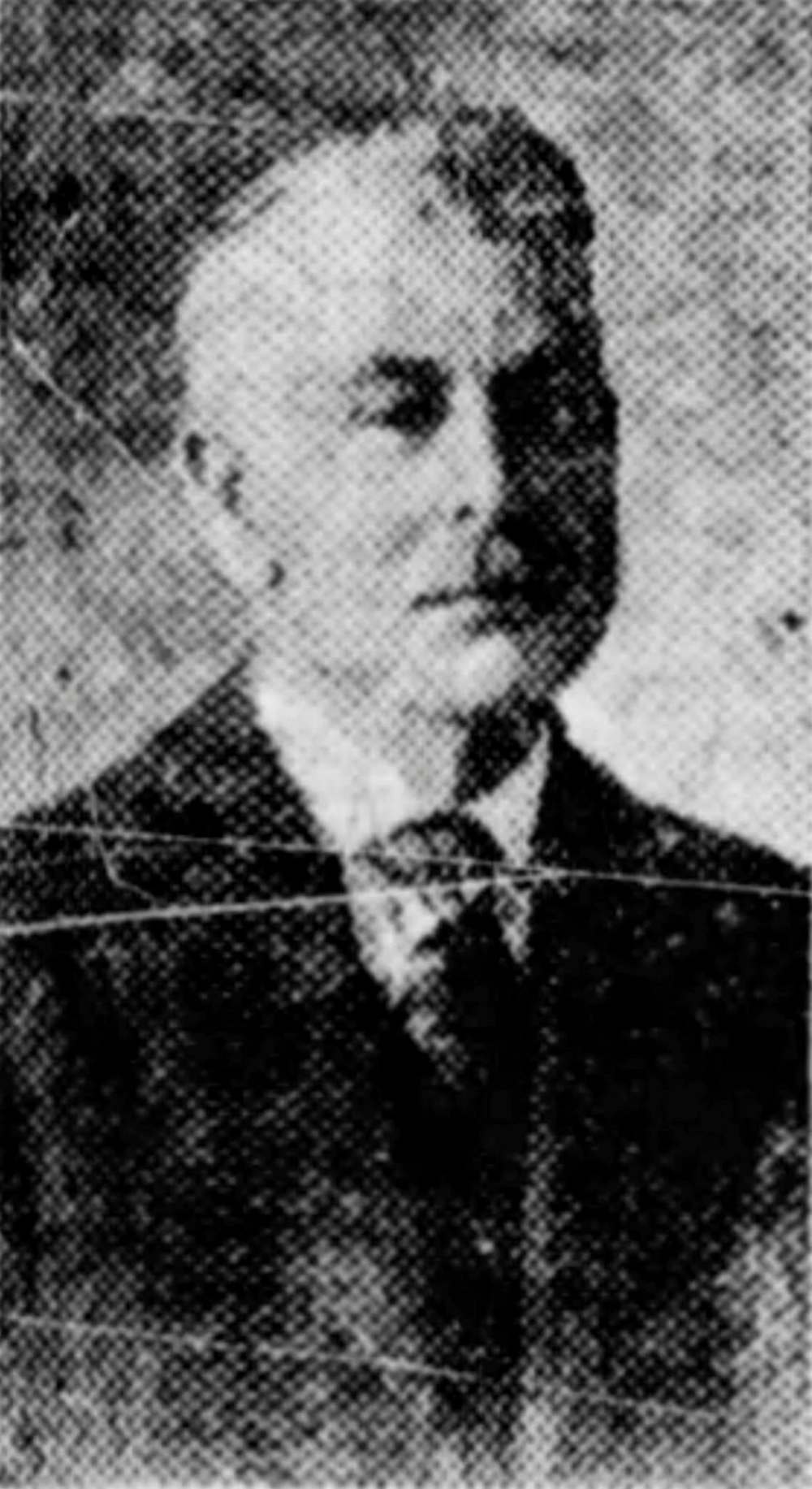
Chapman came to the region from his native England in 1882 and soon opened a successful nursery and garden market on a lot along the Assiniboine River. He was also involved in the civic administration of the area, serving as the first chairman of the St. James School District and as reeve of the RM of Assiniboia from 1909 to 1911.
Because Chapman lived on the Charleswood side of the river, when the new municipality was created he stepped down to run for office there. He became its first reeve by acclamation March 20, 1913, serving a one-year term. He returned as reeve from 1917 to 1926 and for a final one-year term in 1932 to help the municipality deal with the effects of the Great Depression.
A new district is born
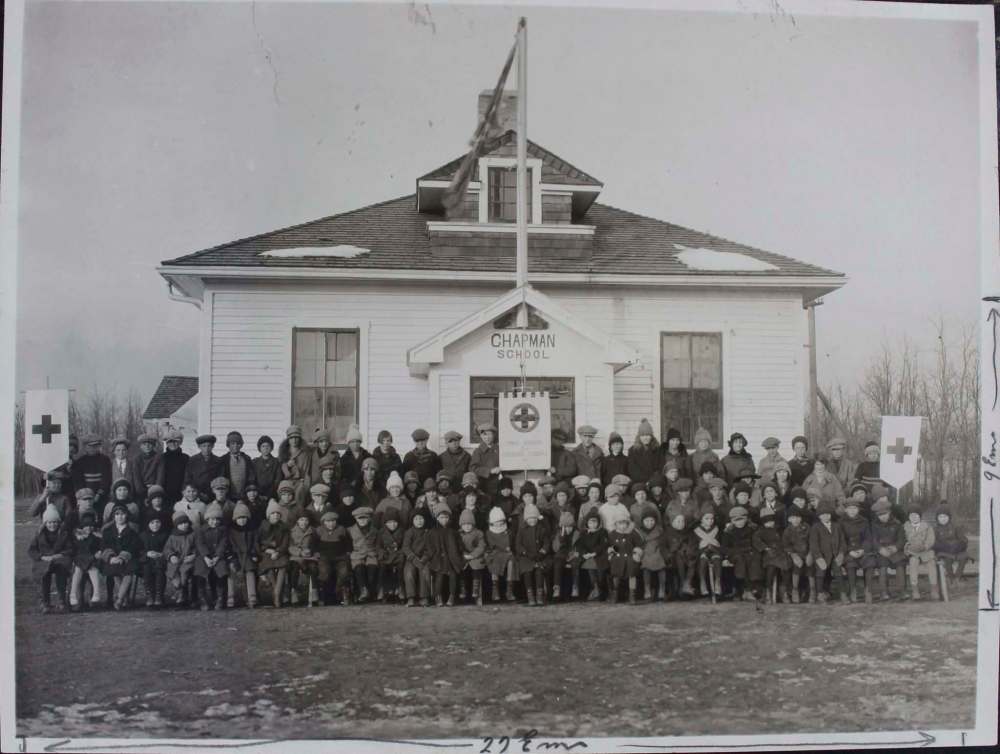
Charleswood’s council gave the nod to a new school district, and teacher Miss Cook taught the children out of a private residence starting in September 1913. The construction of a permanent building, though, faced a number of hurdles.
The immediate area was one child short of the minimum 10 required to create a school district. In November 1913, Charleswood appointed an arbitrator to work with neighbouring municipalities and the province to draw up the official boundaries for what would become Chapman School District No. 1677. The agreed-upon catchment area included part of the Town of Tuxedo, which gave them the 10 children they needed.
In February 1914, Charleswood’s council passed Bylaw 18 — to put a money referendum before ratepayers for the construction of a $30,000 school building. Designed by architect E.D. Tuttle of Winnipeg, who designed many rural schoolhouses, the tender called for a four-room, single-storey, brick-frame structure.
While the electors of Charleswood voted in favour of the expenditure, the town of Tuxedo dragged its feet on calling a referendum for its portion of the funding. This likely had to do with a dispute over the exact location of the building.
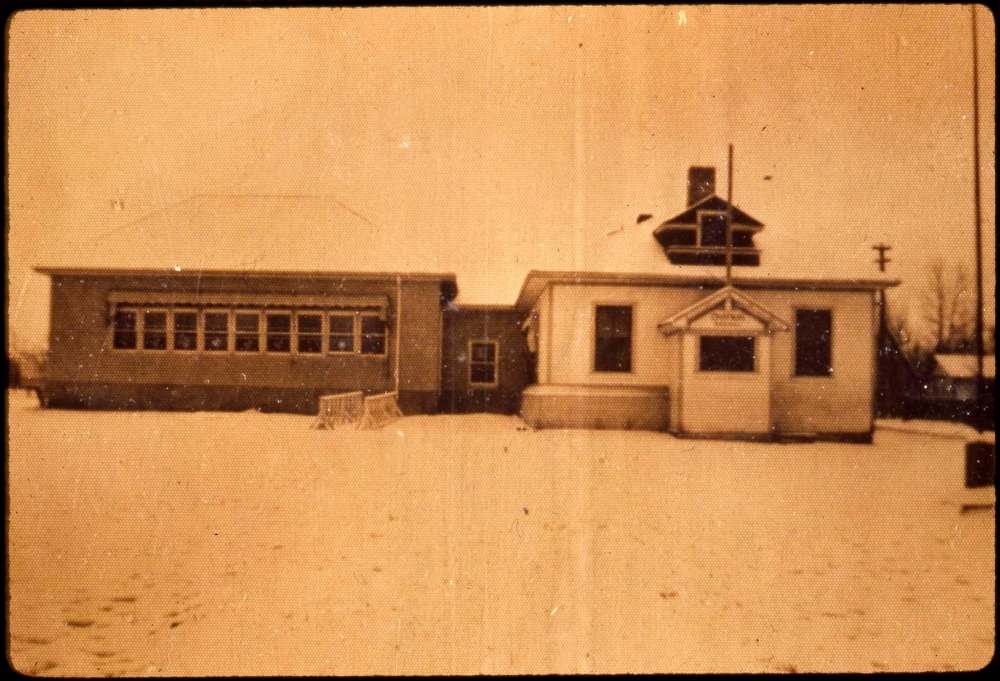
Short of funds and just three months away from the new school year, the Chapman School District had to compromise. It pulled its call for tenders for the four-room school it had advertised through the last week of May 1914 and replaced it with one seeking a $2,000, single-room, temporary structure. The construction of the permanent school was expected to take place the following spring, after Tuxedo approved its share of the costs. (It is unclear whether it was the temporary or permanent school building that greeted Miss Cook and her students in September.)
‘More than just a school for the community’
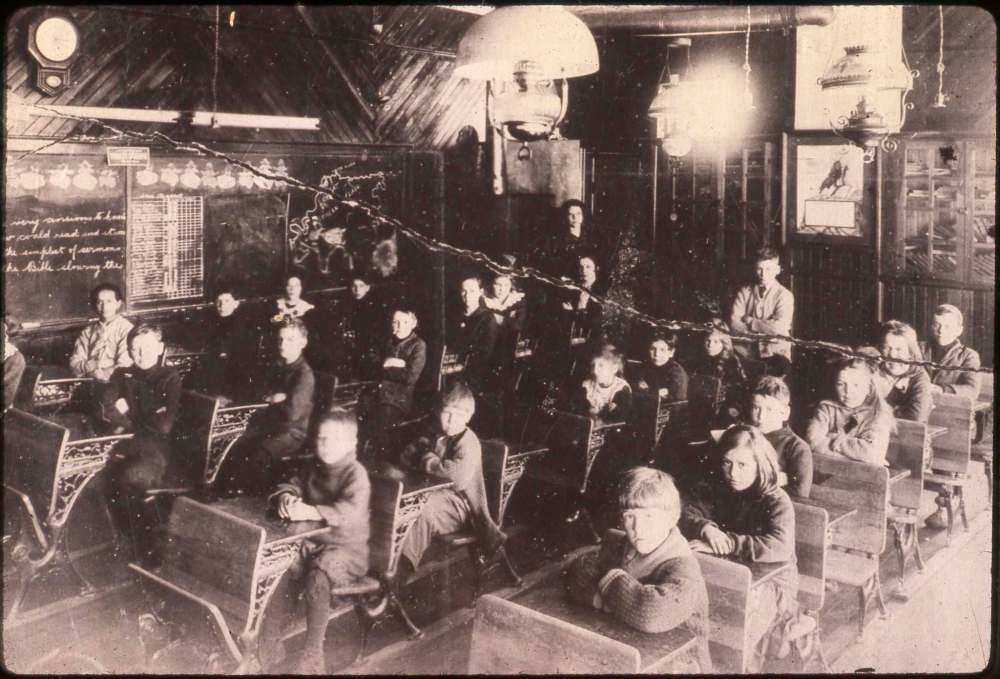
Chapman School immediately became more than just a school for the community. Starting in late summer 1915, it was home to Troop Four of the Boy Scouts, the Charleswood Horticultural Society, the fledgling St. Mary’s Mission — now St. Mary’s Anglican Church — and other community organizations. Most weeks it hosted a community dance, whist tournament or other fundraising social event.
It was devastating for the community when, on Oct. 31, 1916, the school burned down. The following week, classes were relocated to a private home, and plans to rebuild on the old site started immediately. The new school, built from the same plans as the original one, was ready before year’s end.
Because of a steady increase in the population of the municipality, there was talk of replacing Chapman School with a larger structure as early as 1920. By the mid-1920s the school was bursting at the seams, with at least 75 students in grades one through eight. The school district opted instead for a series of expansions that included a single classroom in 1921, an $18,000 additional wing in 1926 and two more classrooms in 1929.
As the municipality matured, the number of community organizations that used Chapman School for events and meetings grew. From the 1920s to 1940s, they included the Charleswood Women’s Institute, the Charleswood Ratepayers Association, the Boys and Girls Club and the Chapman Home and School Association.
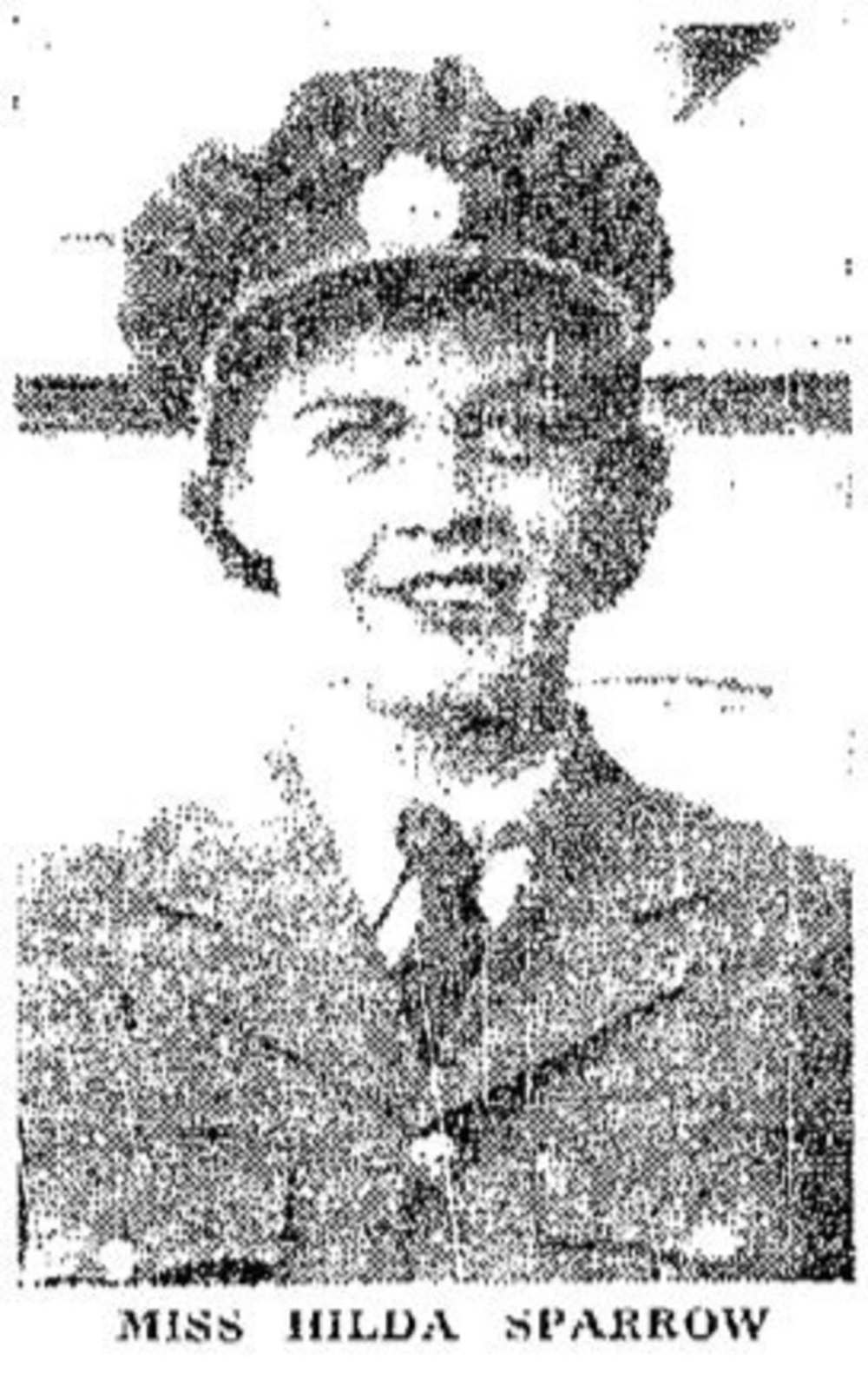
One of the longest-serving staff members in Chapman School’s history was Hilda G. Sparrow. She was first appointed to the teaching staff in 1926 and by 1934 was its principal. Her career was interrupted in 1941 when she joined the war effort.
Sparrow was in the first troop of 15 volunteers from Manitoba to enlist with the Royal Canadian Air Force — Women’s Division. The RCAF was the first military division in Canada to actively recruit women to replace men in non-combat roles.
During her service, Sparrow was stationed in Toronto, Moncton, Trenton, Ottawa and Winnipeg in senior posts. At the end of the war, she was honourably discharged with the rank of squadron leader. Upon her return, she resumed her distinguished teaching career at other city schools and served on the executive of the Manitoba Teachers’ Society.
School survives ‘devastating fire’
During the war, Chapman School had another devastating fire. It took place on Good Friday, April 23, 1943. Nobody was in the building at the time, but quick-thinking neighbours were able to salvage most of the furniture and textbooks before the school was destroyed.
The students, teachers and salvaged goods were packed into the basement of the Odd Fellows’ Hall as a temporary measure. Despite wartime shortages of materials and men, the school district was given the green light to rebuild on the same site.
In October 1943, Claydon Construction broke ground on the new school building, which was designed by Winnipeg architect Edgar Prain. The $45,000, six-classroom, single-storey, brick building with full basement was completed by summer, with the formal opening taking place Sept. 27, 1944.
The new school opened just as Charleswood, along with the rest of Winnipeg’s suburbs and adjacent municipalities, were about to face a population explosion.
During the 1948-49 school year, Chapman was bursting at the seams with 258 students in its eight classrooms. (Two classrooms were added to the building’s basement after its initial construction.) The province’s Metropolitan Planning Commission predicted that by 1956, the number of school-aged children in the Charleswood and Chapman school districts would triple from 440 to more than 1,300.
To get ahead of the issue, in late 1949 officials from the two school districts and municipality tried to work out plans for a jointly administered new school building. Negotiations failed, and it became clear to most the best way to meet the future needs of area children was to amalgamate the Charleswood and Chapman school districts.
Expanded district, student population drops
In January 1950, the Chapman School District board voted in favour of the merger. Charleswood’s followed suit in March. The electorates of both districts supported the merger in a referendum in the 1950 municipal elections. By February 1951, the Charleswood Consolidated School District was in place.
Through the 1950s and 1960s, a number of new schools were built or old ones expanded in the district. Chapman’s student-population growth levelled off.
Chapman School had its last expansion in 1974. The Johnson and Mager-designed addition included four classrooms, a gymnasium, front office and library. Subsequent exterior renovations have made the two buildings appear as one.
The changing demographics since that last expansion have not worked out in Chapman School’s favour.
The baby boom generation did not have the same number of children as their parents did. As their kids passed through the school system and the boomers became empty nesters, the number of school-aged children in Chapman’s catchment area plummeted. In 2007, the school’s student population dropped to fewer than 100 for the first time in decades.
The school was expected to be closed because of this low enrolment, but in April 2008 the provincial government brought in Bill 28, the Strengthening Local Schools Act, which put a moratorium on the closure of public schools.
Despite the lifeline, Chapman School’s student population continued to decline, and now it is the condition of the building that is working against it. A 2011 report by the province’s Public Schools Financing Board confirmed the foundation of the 1944 portion of the building is shifting, and its original boiler could quit at any time. The board determined the building was not worth renovating.
If the children are transferred for the 2016-17 school year and the provincial moratorium remains in effect, it could lead to the odd situation of Charleswood’s oldest serving school remaining technically open but with no students to teach.
Christian writes about local history on his blog, West End Dumplings.