

Man found dead in city bus shelter
Advertisement
Read this article for free:
or
Already have an account? Log in here »
To continue reading, please subscribe:

Digital Subscription
One year of digital access for only $205*
- Enjoy unlimited reading on winnipegfreepress.com
- Read the E-Edition, our digital replica newspaper
- Access News Break, our award-winning app
- Play interactive puzzles
*First annual payment billed as $205.00 + GST for one year. This annual subscription will automatically renew at $233.00 + GST every 52 weeks (10% off the regular annual price of $259.35). Offer available to new and qualified returning subscribers only. Cancel any time.
To continue reading, please subscribe:
Add Free Press access to your Brandon Sun subscription for only an additional
$1 for the first 4 weeks*
- Enjoy unlimited reading on winnipegfreepress.com
- Read the E-Edition, our digital replica newspaper
- Access News Break, our award-winning app
- Play interactive puzzles
*Your next Brandon Sun subscription payment will increase by $1.00 and you will be charged $17.95 plus GST for four weeks. After four weeks, your payment will increase to $24.95 plus GST every four weeks.
Read unlimited articles for free today:
or
Already have an account? Log in here »
Hey there, time traveller!
This article was published 23/02/2022 (1624 days ago), so information in it may no longer be current.
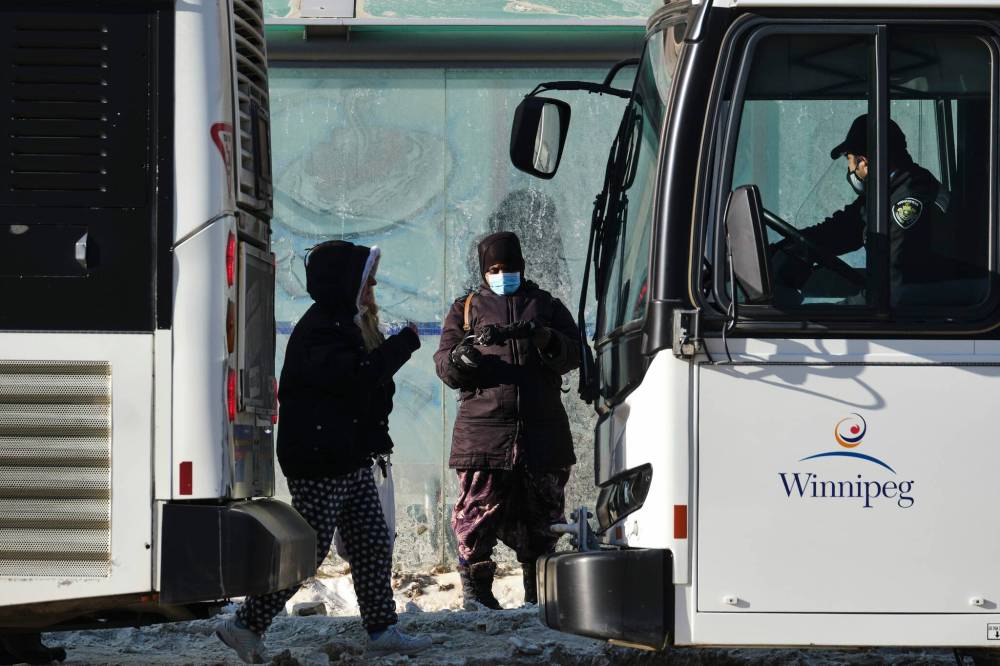
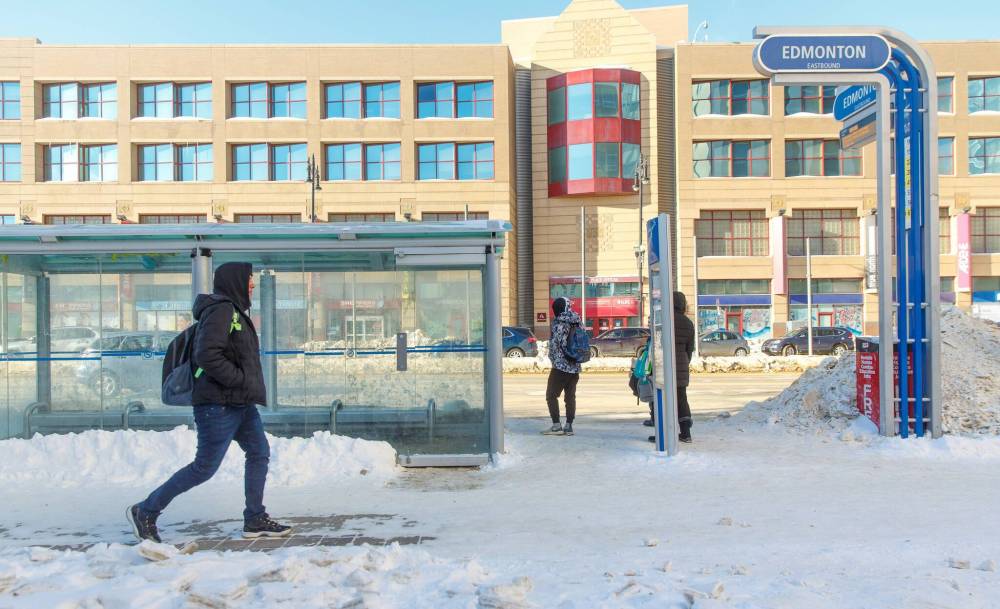
A man was found dead in a downtown Winnipeg bus shelter Tuesday, as a dangerous cold snap grips the city.
The body was discovered in a structure on Portage Avenue at Edmonton Street at about 5 a.m. City police said the death is not considered suspicious.
Local temperatures leading up to the discovery of the body plummeted as low as -30.3 C, with a wind chill hitting -43 C.
It was the second Manitoba death in as many days exposure to cold might have played a role in.
The body of Ashley Kematch, 31, was found Monday outside a home in The Pas. RCMP said Kematch was dressed for cold weather but not for extreme overnight temperatures and “exposure does appear to be a contributing cause.”
The Office of the Chief Medical Examiner has not confirmed either case is due to exposure. Office director Mark O’Rourke said investigations by autopsy will take several months — but the results will not be made public.
Gordon Geisbreicht, a University of Manitoba professor and physiologist who studies the effects of cold on the body, said the extreme temperatures tearing through the province are inherently dangerous.
“We’re not designed for this weather in this climate, that’s for sure. The only way we can survive outside, especially in weather like this, is to have really good clothing,” he said Wednesday. “Not many of us would do very well if we stayed all night in weather like this. You’d need to have clothing for climbing Mount Everest.”
Geisbreicht said almost anyone who has to spend a full night in a bus shelter in -30 C weather would likely suffer significant medical problems. Hypothermia would gradually set in, leaving a person with little capacity to seek help, he added.
People with diabetes are at elevated risk of frostbite due to poor circulation, and drugs and alcohol can exacerbate hypothermia, the professor said.
Siloam Mission communications manager Luke Thiessen said Wednesday he didn’t know if the man found Tuesday had any connection with the downtown shelter. But in any case, the cold has been creating difficulties for many of the people it serves, he said.
“What we’re seeing at Siloam is really just a maximum influx of people who are coming in and can’t physically spend time outside because it’s so extremely cold,” Thiessen said. “I’ve been in and out of the building lately, and it’s the fullest it’s been in quite some time at any given moment — certainly since before the (COVID-19) pandemic.”
The shelter expanded last summer to 143 beds, some of which remained open some nights at the beginning of winter, Thiessen said. Since the deep freeze grabbed the city, however, Siloam has been hitting maximum capacity on a nightly basis, he added.

“It takes a toll on people’s well-being both physically and mentally. It’s exhausting, trying to survive in the cold, even for a few minutes or a few hours,” he said.
Many of Siloam’s clients use the drop-in centre but not the shelter, as the centre’s capacity exceeds that of the shelter, Thiessen said. Often, Siloam must try to redirect them to another safe space.
“Some people do have places to go, but certainly the majority do not… The mental anxiety of that when you know that the temperature outside is actually fatally dangerous to your health is really tough.”
Just a Warm Sleep manager Sarah Chan said, as the emergency warming centre (107 Pulford St.) is a distance from those on north Main Street, there are often spots open. The organization works with other shelters to try to bring in overflow to fill up spaces, she added.
fpcity@freepress.mb.ca