

MGEU fumes over aerial firefighting privatization, fate of 52 jobs
Advertisement
Read this article for free:
or
Already have an account? Log in here »
To continue reading, please subscribe:

Digital Subscription
One year of digital access for only $205*
- Enjoy unlimited reading on winnipegfreepress.com
- Read the E-Edition, our digital replica newspaper
- Access News Break, our award-winning app
- Play interactive puzzles
*First annual payment billed as $205.00 + GST for one year. This annual subscription will automatically renew at $233.00 + GST every 52 weeks (10% off the regular annual price of $259.35). Offer available to new and qualified returning subscribers only. Cancel any time.
To continue reading, please subscribe:
Add Free Press access to your Brandon Sun subscription for only an additional
$1 for the first 4 weeks*
- Enjoy unlimited reading on winnipegfreepress.com
- Read the E-Edition, our digital replica newspaper
- Access News Break, our award-winning app
- Play interactive puzzles
*Your next Brandon Sun subscription payment will increase by $1.00 and you will be charged $17.95 plus GST for four weeks. After four weeks, your payment will increase to $24.95 plus GST every four weeks.
Read unlimited articles for free today:
or
Already have an account? Log in here »
Hey there, time traveller!
This article was published 29/11/2018 (2849 days ago), so information in it may no longer be current.
The province is privatizing its wildfire-fighting service, a move that could mean the end of 52 jobs, a union spokeswoman says.
The province announced Thursday that Babcock Canada will provide wildfire suppression in Manitoba. The global engineering company claims to be one of the largest aerial firefighting businesses in the world, flying 5,500 missions last year.
The province expects to save at least $1 million annually, money that would have gone towards aircraft warehouse repairs and upgrades to smaller planes, Infrastructure Minister Ron Schuler said.
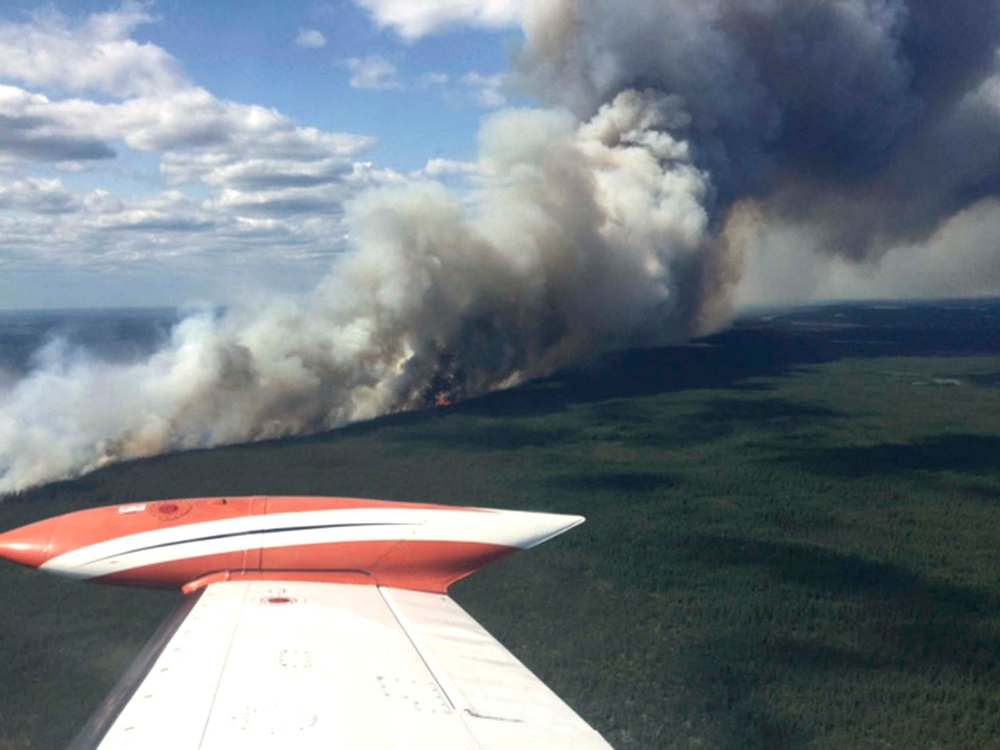
“We believe that this will be a huge saving right up front when there is a fire starting out,” Schuler said. “We believe this is very safe. We’re getting a very good product and we’re getting good value for the taxpayer.”
Schuler said the agreement comes after a competitive bidding process that began in August. Manitoba still owns its fleet of seven water bombers, but will be leasing the aircrafts to Babcock, which will partner with Air Spray — another firefighting service — in the province, but the Manitoba Wildfire Program staff will control aircraft deployment.
The deal has the Manitoba Government and General Employees Union sounding the alarm.
“It’s extremely frustrating and disappointing to know that the fire crews that we have, that the professionals we have that protect Manitobans — that work is going to be farmed out, it’s been sold off,” MGEU president Michelle Gawronsky said.
“This is a private company, an international private company that their bottom line is going to be what’s important to them, not necessarily ensuring that Manitobans’ safety is coming first.”
Gawronsky said up to 52 pilots, mechanics and people in clerical positions will be affected by the decision. It is not yet clear when Babcock will take over, but Gawronsky said she has already received notices that as of March 30 — when the union’s no layoff clause expires — there will be job losses.
“We don’t know how many of these (employees), if any of them, are going to have jobs when this is done,” she said.
“What is happening to all these members that work in any of the places right now that this government is busy privatizing, or cutting or slashing? And again, this is a government that promised to provide and protect services Manitobans rely on, and to protect the people that provide those services.”
Schuler said Babcock representatives will be meeting with the affected workers to discuss future job opportunities.
“I can’t speak for the company. I am under the impression that the company would like to retain some of their services, but… I don’t want to get into labour negotiations. That is between the corporation and the employees,” he said.
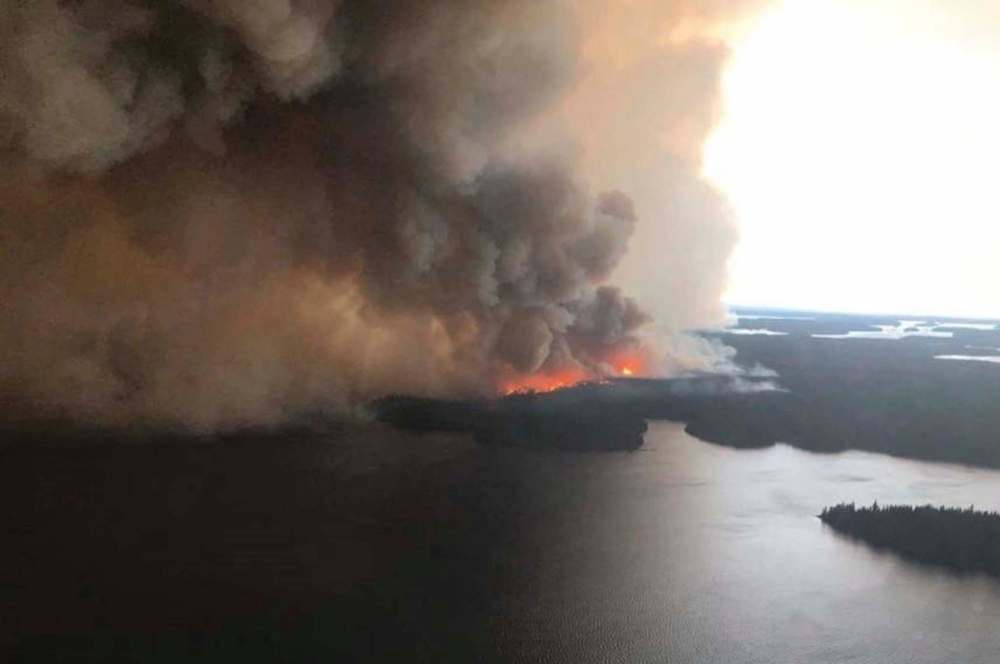
The province is no longer accepting proposals for general transportation air services and air-ambulance service posted in August, as well. If companies that expressed interest can’t meet safety and speed requirements, privatization may not occur.
— With files from Jessica Botelho-Urbanski

danton.unger@freepress.mb.ca
jessica.botelho@freepress.mb.ca