

Rebate to fuel carbon-tax savings for most Manitobans
Advertisement
Read this article for free:
or
Already have an account? Log in here »
To continue reading, please subscribe:

Digital Subscription
One year of digital access for only $205*
- Enjoy unlimited reading on winnipegfreepress.com
- Read the E-Edition, our digital replica newspaper
- Access News Break, our award-winning app
- Play interactive puzzles
*First annual payment billed as $205.00 + GST for one year. This annual subscription will automatically renew at $233.00 + GST every 52 weeks (10% off the regular annual price of $259.35). Offer available to new and qualified returning subscribers only. Cancel any time.
To continue reading, please subscribe:
Add Free Press access to your Brandon Sun subscription for only an additional
$1 for the first 4 weeks*
- Enjoy unlimited reading on winnipegfreepress.com
- Read the E-Edition, our digital replica newspaper
- Access News Break, our award-winning app
- Play interactive puzzles
*Your next Brandon Sun subscription payment will increase by $1.00 and you will be charged $17.95 plus GST for four weeks. After four weeks, your payment will increase to $24.95 plus GST every four weeks.
Read unlimited articles for free today:
or
Already have an account? Log in here »
Hey there, time traveller!
This article was published 08/04/2019 (2717 days ago), so information in it may no longer be current.
OTTAWA — Environmental economists say the federal Liberals are correct to claim that a majority of Manitobans will receive more from a rebate than what they pay in carbon tax.
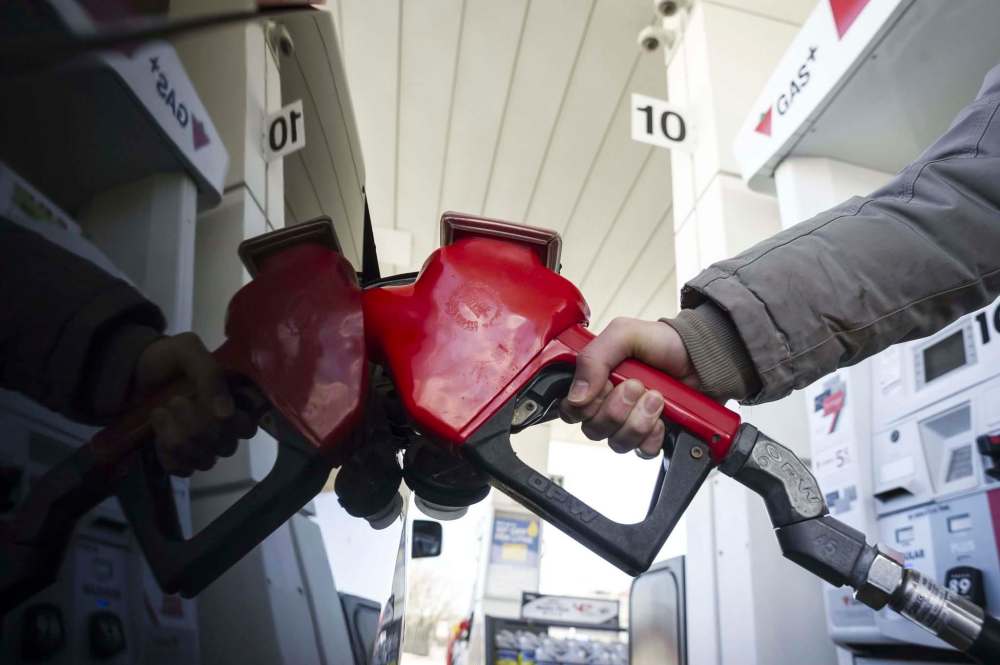
The Liberals rolled out their “price on pollution” in Manitoba on April 1, with a $20 levy on each tonne of carbon, which translates to roughly 4.6 cents per litre at the gas pump.
It’s accompanied by a cap-and-trade scheme for businesses that are considered heavy emitters.
Each household in Manitoba is set to receive an income-tax rebate based on their family members’ ages — and not their carbon emissions — to account for the added cost.
The idea is to give people an incentive to make greener choices, with those driving gas-guzzling SUVs spending more than those who take the bus.
In mailouts from Winnipeg MPs, the Liberals claim “eight out of 10 families will get more money back” from the rebate than they pay in carbon taxes this year.
Finance Canada has said that number only counts for direct costs, such as filling a gas tank or buying propane, combined with Statistics Canada data.
The federal Conservatives have framed the carbon levy as a tax on everything, with higher transportation costs driving up the cost of virtually all goods.
Canada’s Ecofiscal Commission said it’s unclear how costs will be handed down to consumers, but academics are crunching the numbers for a report.
In Manitoba, “approximately 70 per cent of households” will get back more than what they contribute, according to Ecofiscal head Dale Beugin.
Dave Sawyer, who runs the consultancy EnviroEconomics, said that figure would account for passed-on costs, such as higher airfares and pricier groceries.
He said Manitoba’s reliance on hydro means expenses, such as home heating, are taxed less than in provinces that rely on coal.
“Manitoba’s exposure is actually a lot less than most people in the rest of the country,” said Sawyer who crunched the Manitoba numbers for the group Canadians for Clean Prosperity last fall.
Sawyer found that the carbon tax’s impact largely falls along income lines, with households making over $100,000 per year the most likely to pay more than they get back.
That’s partially due to rich families having larger homes to heat and more cars to drive — but Sawyer said there will still be some poorer families that will pay more than they get back.
“You could be a lower-income household, and have two cars and commute a long distance, and you might not be better off,” he said.
“There are going to be people on the extremes, across all income groups, who may be adversely impacted,” he added. “It’s hundreds of dollars; it’s not thousands of dollars.”
Sawyer had projected the average household in Manitoba would pay $404 this year. Ottawa is remitting roughly $336 when factoring in a top-up for rural residents and funding diverted to carbon-reduction projects within the province.
The tax rebate is 10 per cent higher for rural residents, which the census defines as all Manitobans living outside the Winnipeg region, which spans Brokenhead to Ritchot.
The Liberal government’s budget includes a consultation process to consider “expanded relief of the fuel charge for electricity generation for remote communities.”
Sean Fraser, parliamentary secretary to the federal environment minister, told the Free Press the Liberals are “always going to be open to modifying our plan” to make sure it applies fairly.
“Rural residents may have to drive more and we want to ensure we’re not discriminating against people,” he said.
“There’s no trickery here. It’s transparent. It’s laid out literally on your tax filings.”

Meanwhile, Environment Canada admitted last April that it expects carbon pricing to have “asymmetrical impacts” on Indigenous communities that rely on diesel or food that has to be flown in.
Both the Liberals and the Tories have used the carbon tax to play to their base. The Conservatives claim it will hit people’s pocketbooks with minimal effect on Canada’s climate targets, while the Liberals say it proves they take the environment seriously.
The Conservatives have pledged to use regulation to limit carbon emissions, and promised to release a plan almost a year ago.
Premier Brian Pallister announced last week that he’d be suing Ottawa over the carbon tax, arguing that the Liberals were lenient to other provinces in implementing the tax, and that the policy was motivated by an anti-conservative bias.
dylan.robertson@freepress.mb.ca
History
Updated on Monday, April 8, 2019 12:03 PM CDT: Clarifies who is crunching data for the ecofiscal commission, and corrects whether savings are from contributions or remittances.