

What are the chances of contracting COVID-19 while navigating life in Manitoba’s ‘new normal’?
A local infectious-disease expert weighs in
Advertisement
Read this article for free:
or
Already have an account? Log in here »
To continue reading, please subscribe:
Digital Subscription
One year of digital access for only $1.44 a week*
- Enjoy unlimited reading on winnipegfreepress.com
- Read the E-Edition, our digital replica newspaper
- Access News Break, our award-winning app
- Play interactive puzzles
*Billed as $5.77 plus GST every four weeks. After 52 weeks, price increases to the regular rate of $19.95 plus GST every four weeks. Offer available to new and qualified returning subscribers only. Cancel any time.
To continue reading, please subscribe:
Add Free Press access to your Brandon Sun subscription for only an additional
$1 for the first 4 weeks*
- Enjoy unlimited reading on winnipegfreepress.com
- Read the E-Edition, our digital replica newspaper
- Access News Break, our award-winning app
- Play interactive puzzles
*Your next Brandon Sun subscription payment will increase by $1.00 and you will be charged $17.95 plus GST for four weeks. After four weeks, your payment will increase to $24.95 plus GST every four weeks.
Read unlimited articles for free today:
or
Already have an account? Log in here »
Hey there, time traveller!
This article was published 25/03/2022 (1676 days ago), so information in it may no longer be current.
Gauging your risk was so much easier a year ago. Although Manitoba’s vaccine rollout was in its infancy, mandatory masking and isolation gave the public guardrails for how to assess the risk of catching COVID-19.
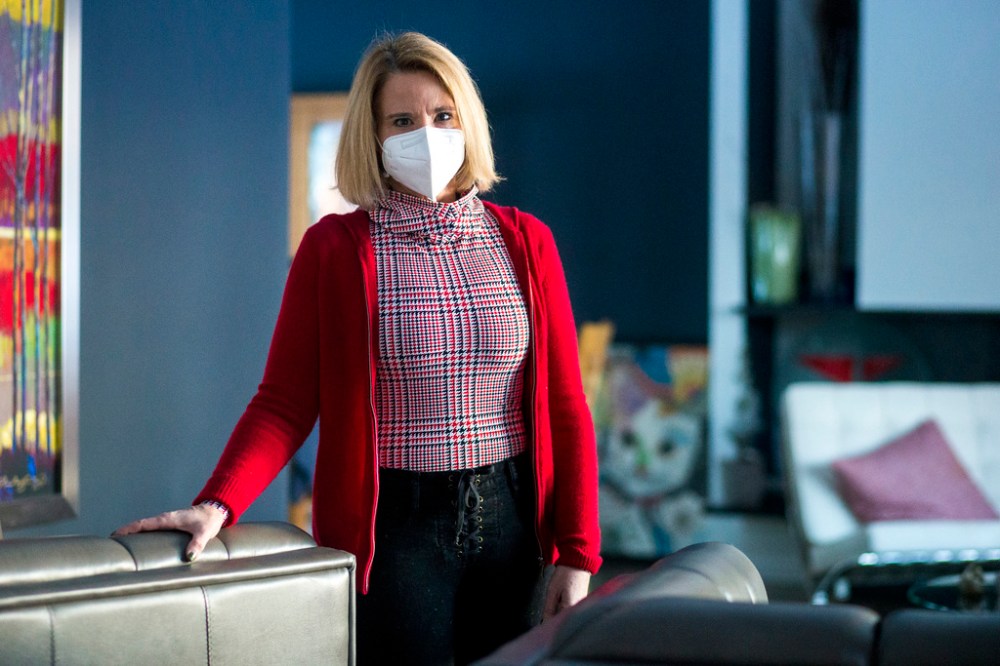
With Manitoba largely giving up its attempt to limit spread — or even track data — the Free Press spoke with local epidemiologist Cynthia Carr about how to assess risk during common activities now.
“We’re not trying to scare people or keep you at a constant level of anxiety,” said Carr. “That’s different than applying what we’ve learned, and my goal is to encourage that.”
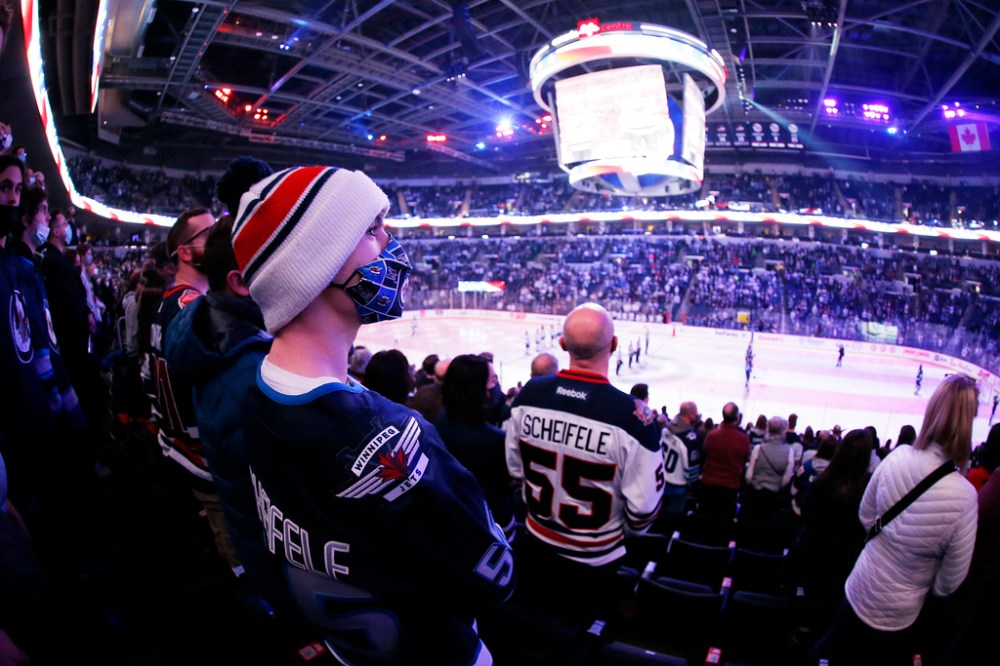
Attending a Jets game, or church
Carr noted that sports events bring people together in loud, crowded spaces.
“A known factor is yelling and cheering; there are more opportunities for particles to come out of your mouth. If you are carrying the virus, that would be in those airborne particles,” she said.
However, she noted the Winnipeg Jets require attendees to be vaccinated and the team also “strongly encourages” fans to wear masks, with varying success.
Carr said some of the same transmission factors in an arena or stadium could play out similarly in a religious setting. Chanting, singing and moving about increase the chances of transmitting virus particles.
Younger people generally tend to have more social contacts than older members of society, who are statistically at more risk of severe COVID-19 but might often see the same contacts from their church group.
At times, young people have represented a disproportionately high number of COVID-19 cases, “because it’s a very mobile population, in general” with many contacts, Carr said.
At a bar
Many of the same factors for sports events apply to visiting your neighbourhood pub.
Restaurants tend to be in newer buildings with decent ventilation that can limit exposure to people you’re not seated with.
“People getting up and moving around, that’s different,” Carr said, especially when there’s live music.
“Crowding close together, moving more and breathing more heavily, or yelling or talking loudly at the table or the dance floor with people you don’t know… there is more mobility with (both) staff and patrons.”
A patio is a lot less risky, when the weather allows.
“The science very much supports the importance of ventilation — anything you can do to filter air; anything we can do to disperse those particles as quickly as possible to reduce risk,” she said.
Carr noted that outbreaks linked to outdoor gatherings are much more rare, and tend to produce fewer infections.
“Outdoors is a much safer situation,” she said.
At the supermarket
“At the grocery store, the risk point would be checkout, if you’re out there at a busy time of day and you’re standing in line longer,” she said.
If you’re at elevated risk from COVID-19, you can consider postponing a trip to a less busy time. Wearing a mask will help protect you, even more so when other people are doing so.
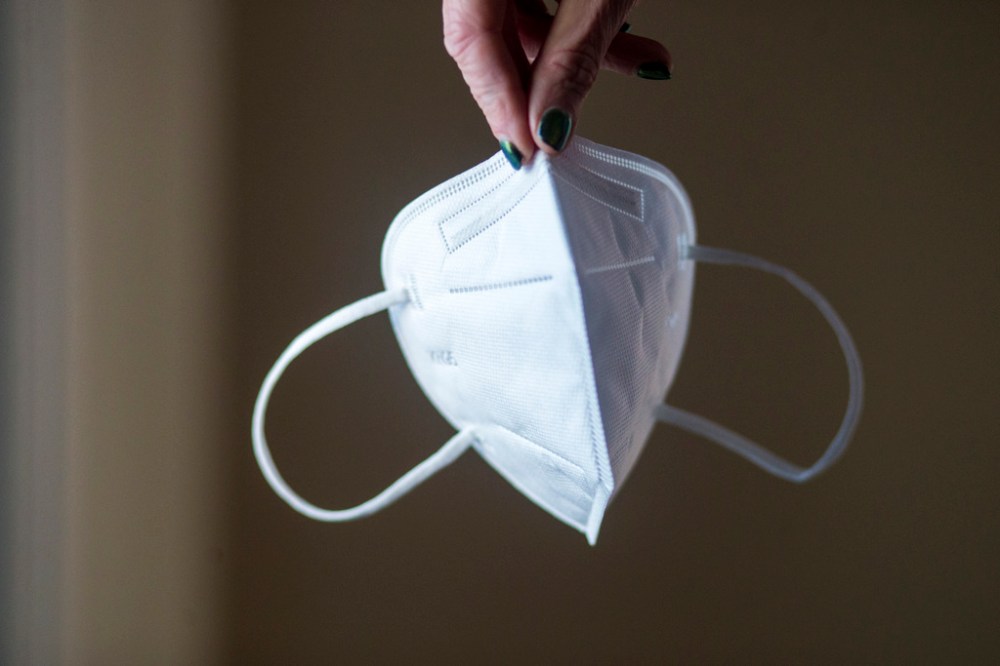
“Particularly if it’s KN95, not a cloth mask, not a surgical mask,” she said.
“A KN95 would be ideal to have in your pocket or your purse, to put on in any situation where you see there’s a lineup or groups of people together. That’s where the most risk would be.”
Having company over
Carr said hosting people you already often spend time with, particularly if you know they don’t have many contacts, is less risky.

“We used to apply this to (sexually transmitted infections): know the history of the person you’re with, as you’re not just with that person.”
You can ask guests to not show up if they’ve had any symptoms…. You can boost ventilation by opening a window, or even having a hybrid event where people meet outside but can make brief stops in the bathroom or the kitchen.
During a spa day
COVID-19 spreads more in cool, dry places, in part because the virus can more easily float through the air in lighter, dried-out particles.
So a wet steam room might be lower risk than a dry sauna.
Carr said there is a dearth of research on transmission in spa environments.
“I would be more comfortable in a sauna than I would be in a cold meat-packing plant, or somewhere colder,” she said.
In general
Overall, catching COVID-19 tends to relate to three key factors: the duration of time you spend with someone, your proximity to them and how infectious they happen to be at the time of exposure.
If everyone is wearing a mask, especially a higher-quality mask, there’s a lower risk of transmission.
The American Conference of Governmental Industrial Hygienists, a non-profit that assesses worker risk, published estimates in spring 2021 on the length of exposure it takes to transmit COVID-19 based on 16 different scenarios of whether each person wears a mask, and what type.
The group estimated it takes just 15 minutes of contact to transmit COVID-19 if neither party wears masks, whereas an uninfected person wearing an N95 mask would generally need 2.5 hours of exposure to an unmasked and infected person to catch COVID-19. When both parties properly wear an N95 respirator, it would take 25 hours to catch COVID-19.
The group warns that the Omicron variant spreads more easily and has not had sufficient study to update those estimates.
A study from the U.S. Centers for Disease Control and Prevention — also done before Omicron took hold — found a respirator mask can reduce odds of indoor transmission in public by 83 per cent, while a surgical mask could cut the likelihood by 66 per cent.

vaccines had a bigger role in reducing infected people’s ability to shed the virus before the Omicron variant became the dominant strain, Carr said.
“The vaccines certainly are protective in terms of severe illness, but they are not as protective against spreading the virus,” she said.
Carr also stressed that mental health is important, and staying vigilant shouldn’t mean feeling helpless.
“Reflect back to what have you learned and what can you do to control a situation, as opposed to feeling anxious,” she said.
dylan.robertson@freepress.mb.ca