

Rock and racism
Indigenous music scene flourished despite prejudice
Advertisement
Read this article for free:
or
Already have an account? Log in here »
To continue reading, please subscribe:
Monthly Digital Subscription
$1 per week for 24 weeks*
- Enjoy unlimited reading on winnipegfreepress.com
- Read the E-Edition, our digital replica newspaper
- Access News Break, our award-winning app
- Play interactive puzzles
*Billed as $4.00 plus GST every four weeks. After 24 weeks, price increases to the regular rate of $19.95 plus GST every four weeks. Offer available to new and qualified returning subscribers only. Cancel any time.
Monthly Digital Subscription
$4.99/week*
- Enjoy unlimited reading on winnipegfreepress.com
- Read the E-Edition, our digital replica newspaper
- Access News Break, our award-winning app
- Play interactive puzzles
*Billed as $19.95 plus GST every four weeks. Cancel any time.
To continue reading, please subscribe:
Add Free Press access to your Brandon Sun subscription for only an additional
$1 for the first 4 weeks*
*Your next subscription payment will increase by $1.00 and you will be charged $16.99 plus GST for four weeks. After four weeks, your payment will increase to $23.99 plus GST every four weeks.
Read unlimited articles for free today:
or
Already have an account? Log in here »
Hey there, time traveller!
This article was published 15/03/2015 (4022 days ago), so information in it may no longer be current.
When you look back at the thriving rock music scene in and around Winnipeg in the 1960s and ’70s, one thing is glaringly obvious: It was predominantly white.
There were few visible minorities represented, and of those, even fewer aboriginal musicians. But on the outskirts of that scene, a flourishing indigenous music community existed that not many non-aboriginal people knew about. Award-winning veteran bluesman and Manitoba Aboriginal Hall of Fame inductee Billy Joe Green recalls a sense of segregation that existed back then.
“We didn’t pursue white venues because we knew we’d have the door slammed in our faces,” he said. “We came from the streets and had experienced the apartheid that existed.”
Errol Ranville, founder of award-winning country-rock band C-Weed, said, “When we started out, we approached a lot of popular non-aboriginal clubs and were turned down. The owners told us they didn’t want to attract our kind of crowd, meaning aboriginals.”
Born in the bush around Lake of the Woods, Green heard country music from his father, who played guitar and sang. But it was a more electric sound that got him interested in guitar while attending a residential school near Kenora, Ont. Aboriginal country-rock band Alex Parenteau (a.k.a. Alex Pronto) & His Swinging Tomahawks performed at the school.
“We were all jumping around to that music,” Green said. “We made guitars and drums out of cardboard and pretended to play.”
Not long after, Green got a real guitar and began practising in earnest. By high school, he was confident enough to sit in with Winnipeg-based indigenous rock band the Feathermen at a powwow in Emo, Ont.
“They let me play the whole night, and a couple of weeks later I got a call asking if I would like to come to Winnipeg and join the band,” Green said.
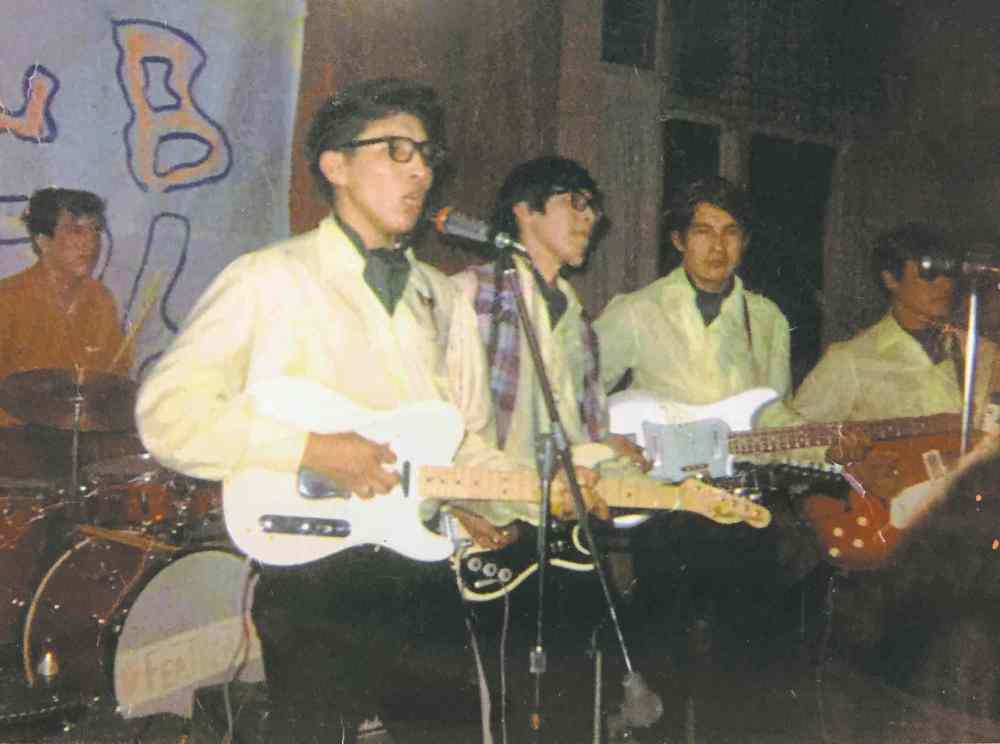
While their contemporaries preferred country music, brothers Martin and Percy Tuesday had come to Winnipeg from Big Grassy River First Nation in northwestern Ontario and formed the Feathermen in 1967 to play rock ‘n’ roll. Boldly billing themselves an “all-Indian band,” the quintet — Martin and Percy plus Morris McArthur, Angus Monroe and Chuck Scride — became the house band at the Indian and Métis Friendship Centre at 73 Princess St. Their repertoire of Stones and Yardbirds covers went over well.
‘We didn’t pursue white venues because we knew we’d have the door slammed in our faces’
“A lot of bands played the friendship centre, but we were the most popular. It was a great place to play. The young kids wanted rock music. We played there every weekend for a couple of years,” Martin said.
As for their name and billing, “We were very proud of who we were. It would have been great to play for white people, but we didn’t get to.”
NCI Communications CEO David McLeod recalls the late Percy Tuesday telling him how the Feathermen played a mixed rural gig only to be told afterwards by one of the patrons, “You guys play pretty good for a bunch of Indians.”
Green replaced Percy Tuesday in the Feathermen in 1968, in time for a prestigious gig performing at a Liberal party rally for then-prime minister Pierre Trudeau at the Winnipeg Auditorium.
“We thought it was our ticket to being discovered and getting a record deal,” Green recalls. But it was not to be, and the band broke up the following year.
“The Feathermen brought a native soul to rock ‘n’ roll and were real groundbreakers,” McLeod said.
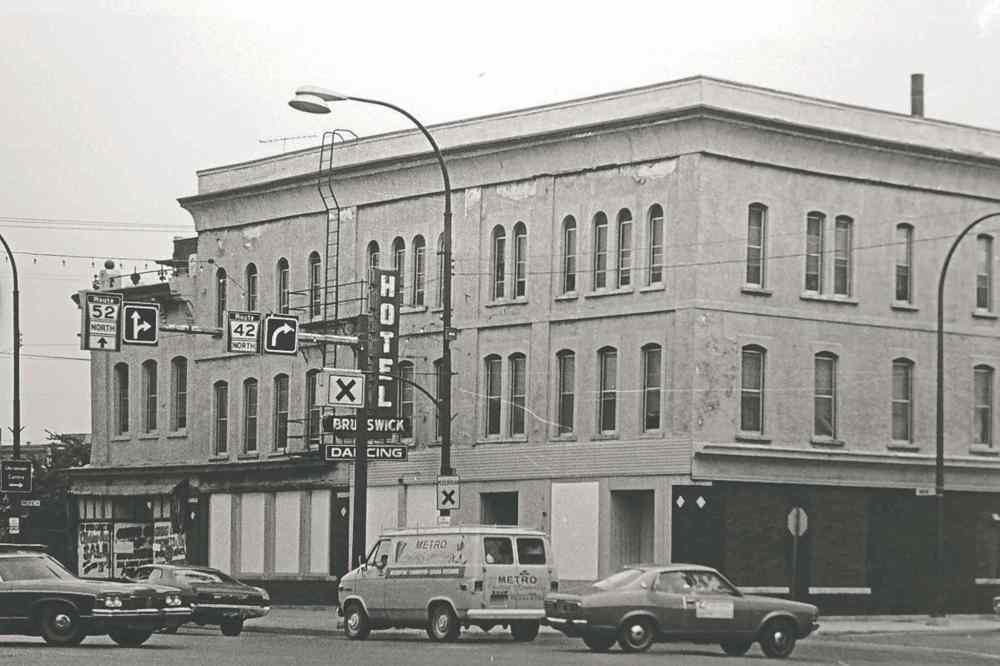
Like many of his contemporaries in the indigenous music scene, Green drifted to the Main Street strip, the many hotel beverage rooms located between McDermot Avenue and Euclid Avenue. These establishments — such as the Woodbine, Bell, Occidental, and Yale hotels, among others — hired indigenous performers. The hot spot became the Brunswick Hotel at 571 Main St. (now a parking lot north of the Manitoba Museum). Green recalls sneaking into the Brunswick when he was underage to see local aboriginal guitar great Jim Flett.
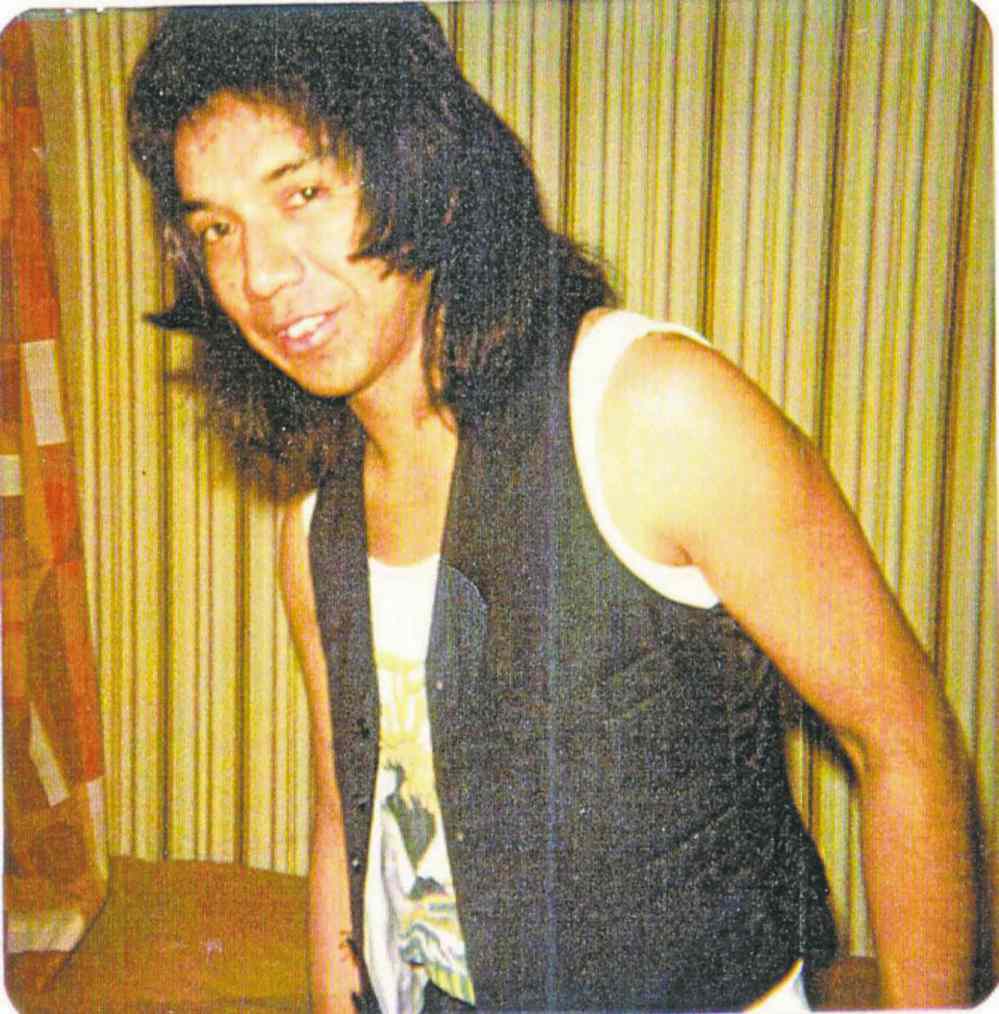
“He was simply the finest country-picker our community has ever produced,” Green said, “and continues to perform to this day.”
When the drinking age was lowered to 18 in September 1970, the Brunswick and other bars on the strip drew large indigenous crowds every weekend. When the Ranville Brothers left for an out-of-town gig, Green put a band together and moved into the Brunswick, holding court for two years.
“That became the place for aboriginal talent,” he said. “Everybody came there. We learned a real work ethic playing there, because you had to work hard. Sonny Sanderson, Frankie Paul and I played a matinee there every day from 3 a.m. until 6 p.m., went home for supper, a snooze and a shower, and came back to play from 9 p.m. until 1 a.m. Endurance and much musical experimentation were the sweet results. We were playing a lot of British blues, Clapton, that stuff, plus Allman Brothers, Creedence and Steely Dan.”
The indigenous music community coalesced around the Main Street strip.
“It was definitely the only place they could go where they felt safe and relaxed, among their own people,” states filmmaker Jesse Green, whose production company Strongfront TV produced a documentary on the strip called Brown Town Muddy Water (available on MTS Video on Demand). “These artists were not welcome in other venues that weren’t aboriginal.”
“I was always drawn back to the Main Street strip, because that was where I was appreciated,” Green said. “I later played with white guys who would take a lot of flak for having an Indian in their band. But I knew I had the chops, so I didn’t care.”
Tuesday went on to become one of the most respected performers on the strip over a 40-year career.
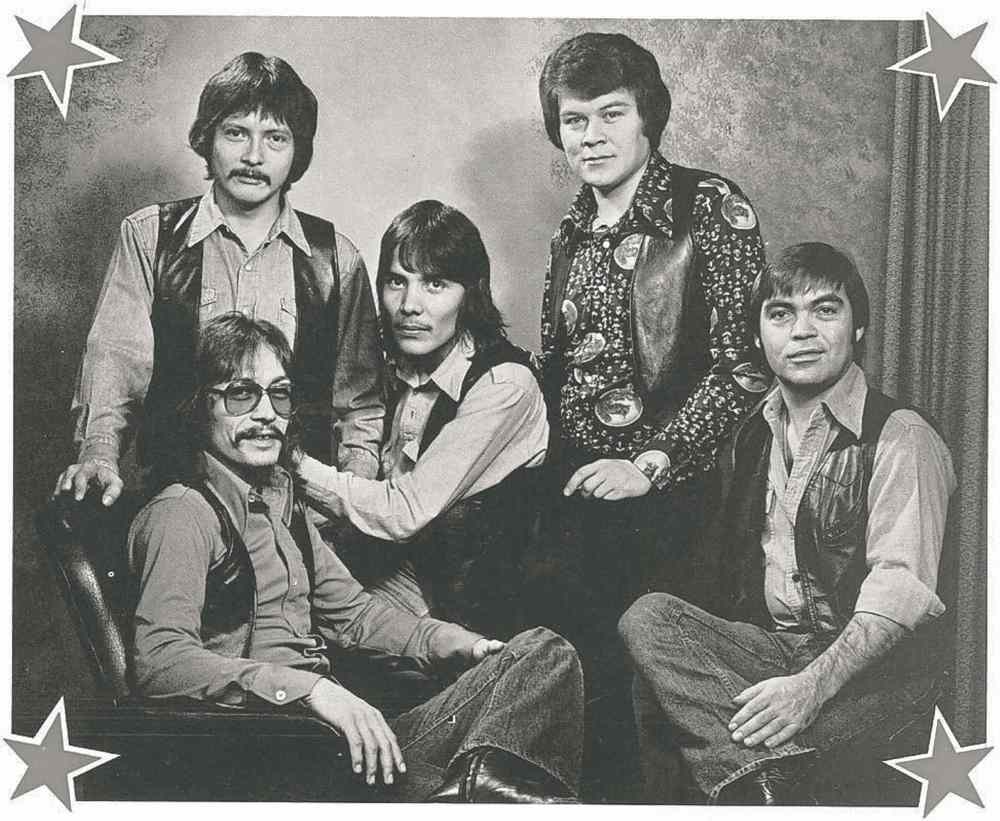
“He had a commanding presence,” said Green, who backed Tuesday for more than 10 years. “He was also our greatest diplomat, and declared everybody inclusive during his performances. I remember him saying good night to everyone at the Manor Hotel on a name-by-name basis on Saturday nights during our closing set. There wasn’t a musician that was so widely respected by his peers or loved by his community as Percy was.”
The Main Street strip was also home to the long-running television show The Western Hour, hosted for some 19 years by aboriginal performer Len Fairchuk (White Buffalo). The popular Saturday-afternoon show from the Rex Theatre became a showcase for local aboriginal and Métis talent. A talented painter, Fairchuk worked in movie-set design in Hollywood and recorded for his own Silver Spur Records before returning to Manitoba to pursue a music career. The Western Hour also travelled to indigenous communities throughout the province. Those communities were also visited by aboriginal recording artists such as Shingoose and Winston Wuttunee, who were revered music stars.
Coming from a musical family, St. Laurent-born Métis singer/songwriter Gloria Desjarlais moved to Winnipeg in the mid-1960s as a teenager and began performing at the Indian and Métis Friendship Centre talent nights.
“I beat out Tom Jackson one night,” she laughs. (Actor/singer Jackson got his start performing at the friendship centre’s coffeehouse, the Purple Pit.) Gloria worked the indigenous music circuit extensively, including the Westbrook, Brooklands and Downs Hotels.
“I used to admire rock singer Dianne Heatherington back then,” says Desjarlais. “I knew I was as good a singer as she was, but I couldn’t get the bookings, the A rooms, because I was labelled an aboriginal singer. Music is music, and there shouldn’t be any colour barriers. I worked a lot in Winnipeg, but never the white rooms. It was not cool to be Métis in the ’60s and ’70s. But I was proud of my French and Cree heritage. The Métis community welcomed me, because they identified with me.”
Joining her sister, Barbara, and Doris McDonald as Touch of Lace, the trio managed to break down some of those barriers.
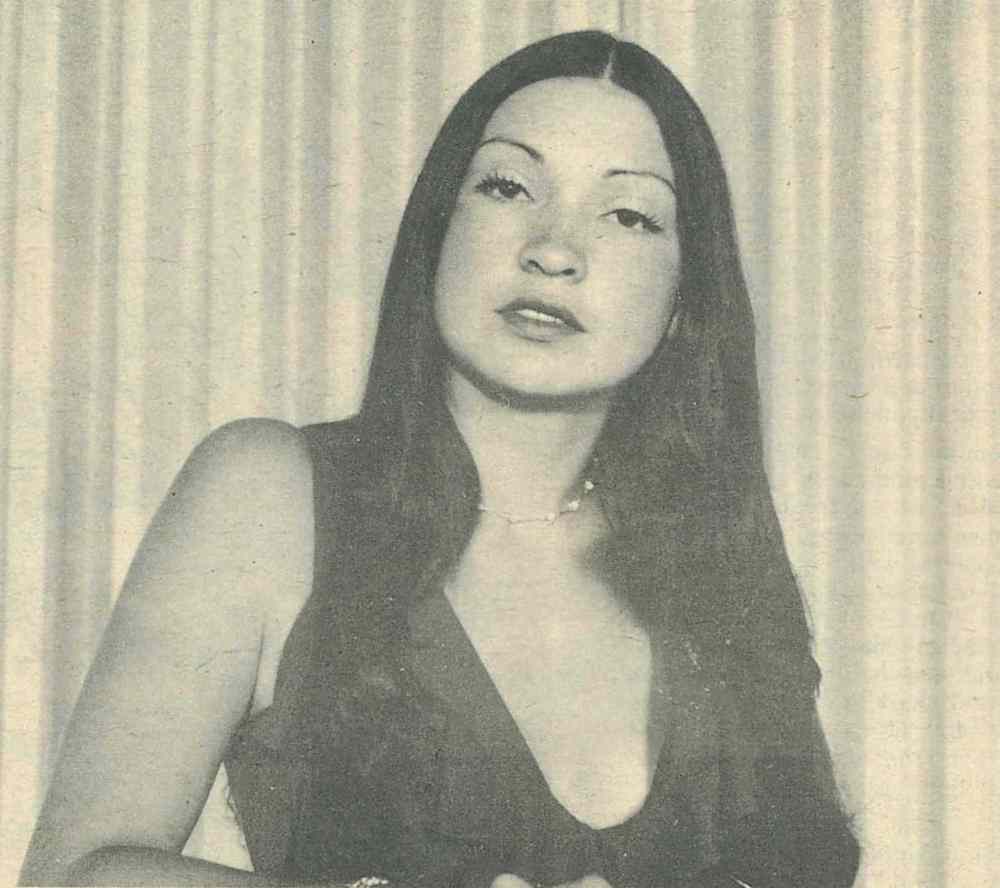
“We were a gimmick, three good-looking girls in skimpy outfits,” she said. “Audiences didn’t care as long as they saw legs and bosoms.”
Desjarlais’s debut recording, Mister, drew the interest of local MCA Records representative Jack Skelly, who championed her talents to the label bosses only to be turned down.
“I think they saw me as being too native,” she said.
Determined to have a recording career, she formed her own label, John Bull Records (named for her father’s nickname), and released six albums.
“I had to take on the music world on my own terms out of necessity, because no one else was interested,” she said.

Her talent and pioneering spirit earned Desjarlais a place in the Manitoba Aboriginal Music Hall of Fame in 2009.
The 1980s saw a major transformation in the indigenous music community. The breakthrough success of C-Weed winning seven Manitoba Country Music Awards as well as Juno Award nominations opened the doors for other local indigenous country-rock artists such as Red Wine, the Harvey Henry Band, Robbie Brass, Ernest Monias (“the Elvis of the North”) into the mainstream music scene. Opening in 1974, Ness Michael’s Sunshine Records allowed many local indigenous artists the chance to record and release records. Other labels also saw the merits of signing indigenous artists. Today, Manitoba aboriginal and Métis performers enjoy widespread success across a broad musical spectrum.
“The bridges that weren’t there before between the aboriginal and non-aboriginal music communities are there now,” said McLeod, who curates the Manitoba Aboriginal Music Hall of Fame. “Today’s indigenous music scene takes place in all local clubs, even in the MTS Centre, with the upcoming Indigenous Music Awards. We even have a weekly National Aboriginal Music Countdown on SiriusXM. But it’s the trailblazers that must not be forgotten. They were born to create music and did so during a less-than-kind era. That measure of talent and determination is truly a gift from the Creator.”
Join John Einarson for My Generation, 10 a.m. to noon Saturdays on UMFM 101.5.