

Sufficient demand for fish co-op, adviser says
Advertisement
Read this article for free:
or
Already have an account? Log in here »
To continue reading, please subscribe:

Digital Subscription
One year of digital access for only $205*
- Enjoy unlimited reading on winnipegfreepress.com
- Read the E-Edition, our digital replica newspaper
- Access News Break, our award-winning app
- Play interactive puzzles
*First annual payment billed as $205.00 + GST for one year. This annual subscription will automatically renew at $233.00 + GST every 52 weeks (10% off the regular annual price of $259.35). Offer available to new and qualified returning subscribers only. Cancel any time.
To continue reading, please subscribe:
Add Free Press access to your Brandon Sun subscription for only an additional
$1 for the first 4 weeks*
- Enjoy unlimited reading on winnipegfreepress.com
- Read the E-Edition, our digital replica newspaper
- Access News Break, our award-winning app
- Play interactive puzzles
*Your next Brandon Sun subscription payment will increase by $1.00 and you will be charged $17.95 plus GST for four weeks. After four weeks, your payment will increase to $24.95 plus GST every four weeks.
Read unlimited articles for free today:
or
Already have an account? Log in here »
Hey there, time traveller!
This article was published 22/01/2021 (2088 days ago), so information in it may no longer be current.
OTTAWA — While fishers on the Prairies appear ready to take over the Freshwater Fish Marketing Corp., the Assembly of Manitoba Chiefs has rejected any option that isn’t led by First Nations.
The federal Crown corporation was created in the 1960s to buy fish from harvesters in the Prairies and territories, who live in remote areas and are overwhelmingly Indigenous.
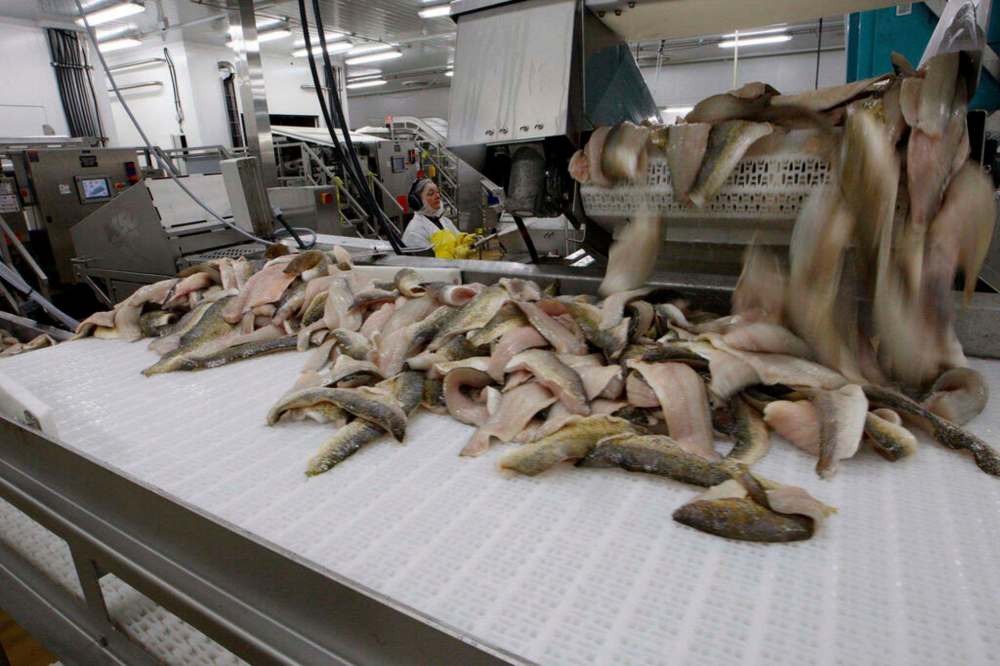
The corporation’s processing plant in Transcona, which sells pickerel to New York and fish eggs to markets in Eastern Europe, employs about 250 full-time and 150 seasonal workers. It used to have a monopoly on commercial catches, but provincial governments gradually pulled out of the arrangement over the past decade. Several audits have identified management problems.
In 2018, the federal Liberals appointed a steering committee of Indigenous and non-Indigenous fishers to explore the idea of a co-operative model, and figured such a body would take three years to create.
Federal adviser Kevin Anderson met with fishers, Indigenous leaders and industry groups. He reported Thursday that there is enough demand to start the creation of a co-operative in just one year, built from an existing steering committee.
Some fishers have publicly said private firms could more aggressively target foreign markets such as China.
But the adviser noted small-scale fishers in northern Manitoba and Saskatchewan rely on the corporation. Meanwhile, larger fisheries in the Interlake have sold to private operators who haven’t paid up or respected contracts.
The adviser consulted the Assembly of Manitoba Chiefs, which said it had taken three years to form a plan for a First Nations-led entity that had support from leaders across the country.
The adviser said his committee, which aims to take over the corporation, concluded the assembly’s report “lacked sufficient information.”
Grand Chief Arlen Dumas said Thursday he was disappointed by that remark.

“The (assembly) was provided with assurances that our proposal would be given all due consideration as a viable transformation plan,” Dumas said. “It appears with the release of this report that (we were) misled.”
He argued the report scuppered the opportunity for “a shovel-ready process for implementing the treaty right to fish.”
The office of Fisheries Minister Bernadette Jordan, who accepted the report, said she ensured the assembly it had a voice in the talks.
“We believe that Indigenous and non-Indigenous commercial fish harvesters can work side-by-side toward a sustainable and well-managed freshwater fish supply chain for all,” wrote a spokeswoman.
dylan.robertson@freepress.mb.ca