

Take action
Easy ways to reduce your carbon footprint
Advertisement
Read this article for free:
or
Already have an account? Log in here »
To continue reading, please subscribe:

Digital Subscription
One year of digital access for only $205*
- Enjoy unlimited reading on winnipegfreepress.com
- Read the E-Edition, our digital replica newspaper
- Access News Break, our award-winning app
- Play interactive puzzles
*First annual payment billed as $205.00 + GST for one year. This annual subscription will automatically renew at $233.00 + GST every 52 weeks (10% off the regular annual price of $259.35). Offer available to new and qualified returning subscribers only. Cancel any time.
To continue reading, please subscribe:
Add Free Press access to your Brandon Sun subscription for only an additional
$1 for the first 4 weeks*
- Enjoy unlimited reading on winnipegfreepress.com
- Read the E-Edition, our digital replica newspaper
- Access News Break, our award-winning app
- Play interactive puzzles
*Your next Brandon Sun subscription payment will increase by $1.00 and you will be charged $17.95 plus GST for four weeks. After four weeks, your payment will increase to $24.95 plus GST every four weeks.
Read unlimited articles for free today:
or
Already have an account? Log in here »
Hey there, time traveller!
This article was published 02/01/2021 (2088 days ago), so information in it may no longer be current.
In 2020, the world experienced the largest single-year drop in annual greenhouse gas emissions since the Industrial Revolution began; dropping by 8.8 per cent in the first half of the year, according to a study published in Nature.
But a single-year drop in emissions will have little effect on long-term climate change as greenhouse gasses stay in the Earth’s atmosphere. In 2021, as vaccines are administered and life returns to “normal” emissions reductions will be erased.
So, here are four ways to lower your carbon footprint in 2021.
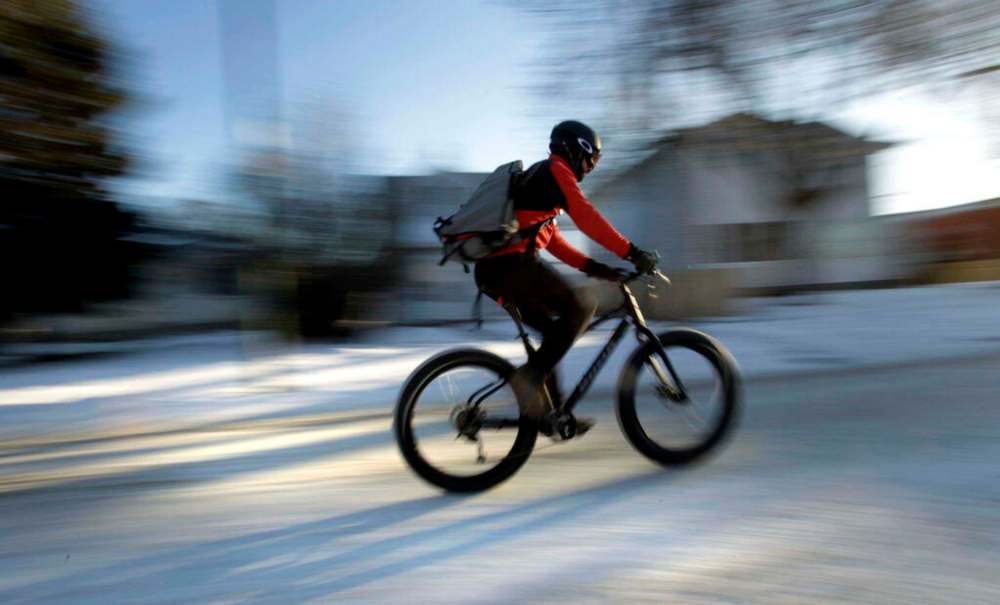
1. Reconsider how you get around
In Manitoba, and Winnipeg specifically, transportation is the No. 1 source of carbon emissions, accounting for nearly 43 per cent of emissions.
Although vehicles are more fuel-efficient, the increase in the number of cars on the road and the tendency for owners to buy bigger vehicles have cancelled out progress made on the efficiency front.
There are many ways to lower personal transportation emissions. This could include pursuing more active transportation instead of driving; whether that’s biking, scooting, or plain old walking. The increased use of public transport also lowers emissions. The federal government plans to support the electrification of buses in the coming years, which will further lower transit emissions.
Purchasing an electric vehicle could also be an option. The federal EV incentive remains in place, with a $5,000 rebate available to buyers for many models.
2. Incorporate non-animal protein into your diet
In Manitoba, agriculture is responsible for approximately 30 per cent of emissions, and 37 per cent of agricultural emissions can be directly attributed to the production of livestock.
Lowering the demand for meat need not mean cutting it out entirely, but plant-based protein has lower emissions and is far less resource-intensive.
“A hectare of land that would be able to grow 1,500 or 2,000 pounds of protein from peanuts or soybeans per year can only support about 82 pounds of beef protein,” says a report from Columbia University’s Earth Institute.
3. Buy locally sourced groceries
Buying groceries that are sourced from Manitoba, or at least Canada, supports our businesses and reduces the distance food is shipped, thereby cutting emissions related to transportation. A 2012 study found that food in North America travelled an average of 2,000 kilometres from source to point-of-sale.
Sourcing food locally can mean buying goods from local farmers through community-supported agriculture programs. It could also mean more trips to farmers markets or paying attention to the county of origin listed on labels as you shop at any grocery store.
Food insecurity is a byproduct of climate change around the world. Supporting local farmers ensures Canadians have strong food networks in place.

4. Waste less and divert what you can
Emissions from waste account for approximately 15 per cent of emissions in Winnipeg. The emissions are generated when organic material decomposes in anaerobic conditions and produces methane.
The City of Winnipeg has committed to a composting pilot project but it is still years away from being widely available.
In the meantime, cutting down on food waste can make a difference. Individuals can also compost in their own backyards and Compost Winnipeg offers residential pickup services for both homes and condos/apartments.
While individuals can take charge of lowering their own emissions, it does not offset inaction at the municipal, provincial, federal and even international levels. Climate change is a communal problem and won’t be solved by individual actions alone.
sarah.lawrynuik@freepress.mb.ca