

War through children’s eyes
Drawings at Ogniwo tell tale of Polish kids during WWII

Advertisement
Read this article for free:
or
Already have an account? Log in here »
To continue reading, please subscribe:

Digital Subscription
One year of digital access for only $205*
- Enjoy unlimited reading on winnipegfreepress.com
- Read the E-Edition, our digital replica newspaper
- Access News Break, our award-winning app
- Play interactive puzzles
*First annual payment billed as $205.00 + GST for one year. This annual subscription will automatically renew at $233.00 + GST every 52 weeks (10% off the regular annual price of $259.35). Offer available to new and qualified returning subscribers only. Cancel any time.
To continue reading, please subscribe:
Add Free Press access to your Brandon Sun subscription for only an additional
$1 for the first 4 weeks*
- Enjoy unlimited reading on winnipegfreepress.com
- Read the E-Edition, our digital replica newspaper
- Access News Break, our award-winning app
- Play interactive puzzles
*Your next Brandon Sun subscription payment will increase by $1.00 and you will be charged $17.95 plus GST for four weeks. After four weeks, your payment will increase to $24.95 plus GST every four weeks.
Read unlimited articles for free today:
or
Already have an account? Log in here »
Hey there, time traveller!
This article was published 28/09/2017 (3285 days ago), so information in it may no longer be current.
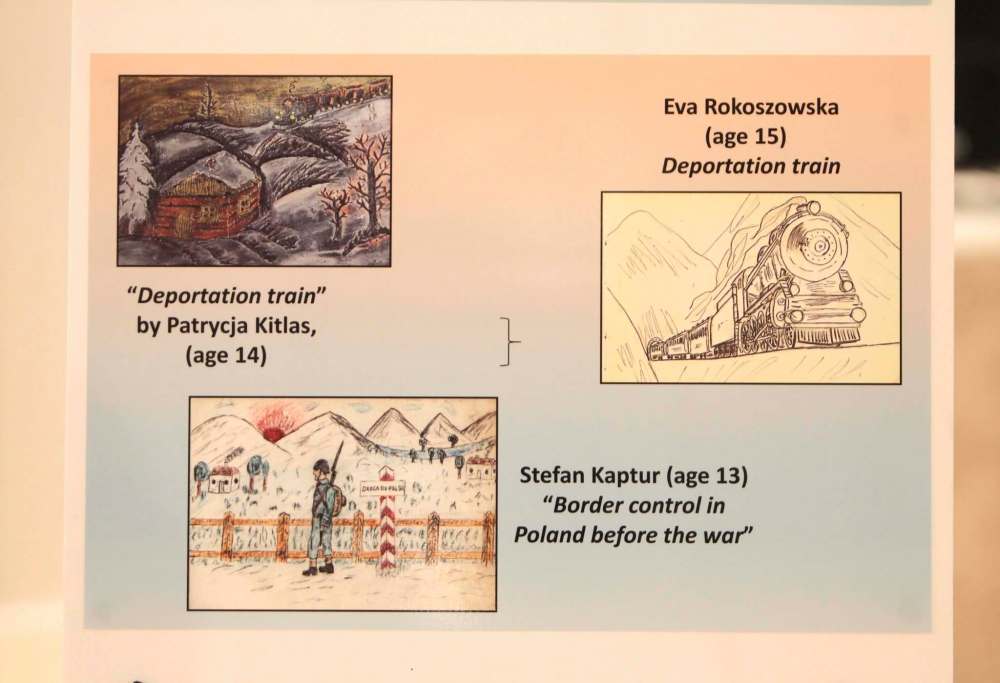
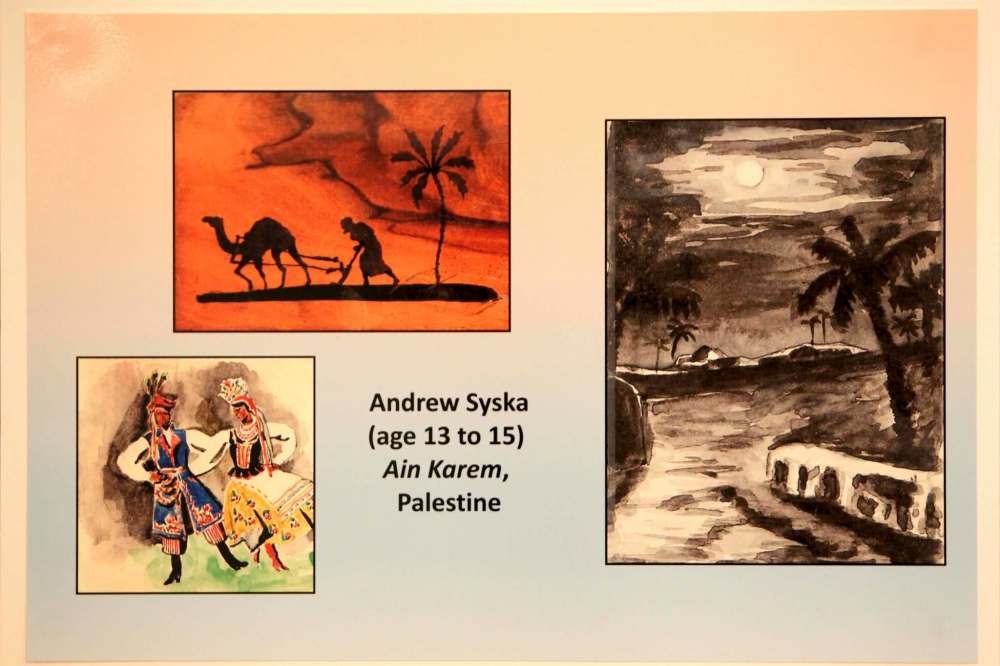
THE children’s drawings are startling, showing their time in Siberian work camps alongside the palm trees and camels of later destinations.
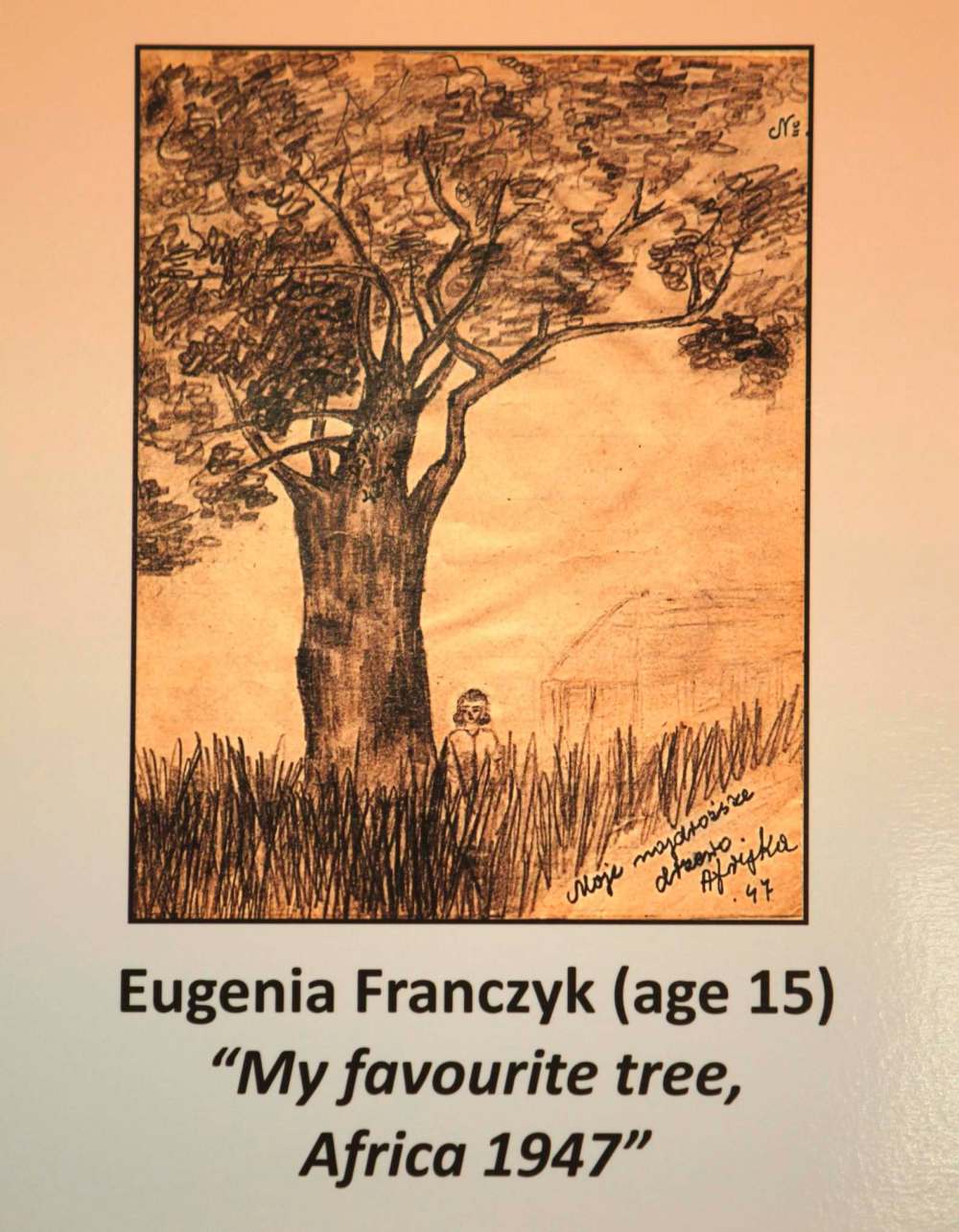
In Iraq, Danuta drew a truck arriving at the women’s auxiliary camp. In Mexico, Eva drew a man playing a guitar under a palm tree. Genevieve sketched family members working in Siberia and her favourite tree in Uganda.
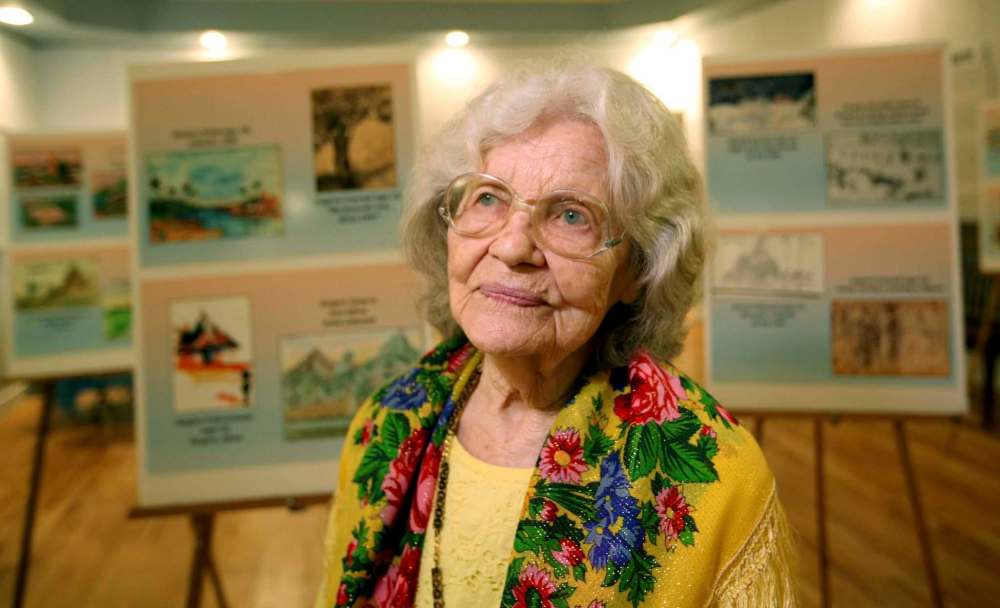
The drawings are nearly 80 years old and part of an exhibit opening today at Ogniwo, Winnipeg’s Polish museum. The heartbreaking and hopeful pictures tell the story of more than one million Poles who were uprooted during the Second World War, sent to forced labour camps in Siberia, then scattered to refugee camps in the Middle East, India, Africa, Mexico and New Zealand.
“I’ve had enough travelling,” said 89-year-old Genevieve Matkowska, whose artwork is featured in the exhibit. She’s one of more than 100 Polish exiles interviewed and recorded by Krystyna Szypowska, an Ogniwo volunteer who curated the exhibit of more than a dozen drawings and stories.
“This particular story is not well-known among Polish people,” Szypowska said. For her, it’s close to the heart. “My mother is part of this. She was deported with her family and half of her family died in Siberia.”
The Canadian-born Szypowska wants the survivors to share their stories before they’re lost forever. When she scans obituary notices, she occasionally sees someone with a Polish name who “travelled extensively during the war as a child — from Russia to the Middle East,” she said. Her heart sinks at what is likely another lost story.
“They weren’t tourists,” Szypowska said. Most likely, they were Polish exiles, but their descendants didn’t know their stories and can’t understand the papers they left behind. “Often, they don’t understand the language and what the documents are and they get thrown out.”
She’s recording survivors’ first-hand accounts of what happened to them and is setting up a website where they can be seen and heard. Most of their stories are told in Polish and none were hard to elicit, Szypowska said.
“A lot of them want to talk because it’s been so hidden — they want the world to know.”
Matkowska was 11 when she and her family were forced from their home by Soviet dictator Josef Stalin’s soldiers and packed into a train bound for work camps in Siberia. The winter day they became exiles is permanently carved in her memory.
“It was Feb. 10, 1940, and -40 C,” she said Thursday.
They scrounged for food and barely survived in Siberia. One saving grace was having her best friend in Poland, Helena, there in the camp, too. However, the little girl contracted tuberculosis and didn’t survive in Siberia. Matkowska visited her playmate until the end when Helena was sick in bed, burning with fever and soaked in sweat.
“I was holding her hand and it was wet,” she recalled. “I lost her.”
Matkowska and her family were in Siberia until August 1941, when they were put cattle cars heading south. “We were in rags,” by that time, she said.
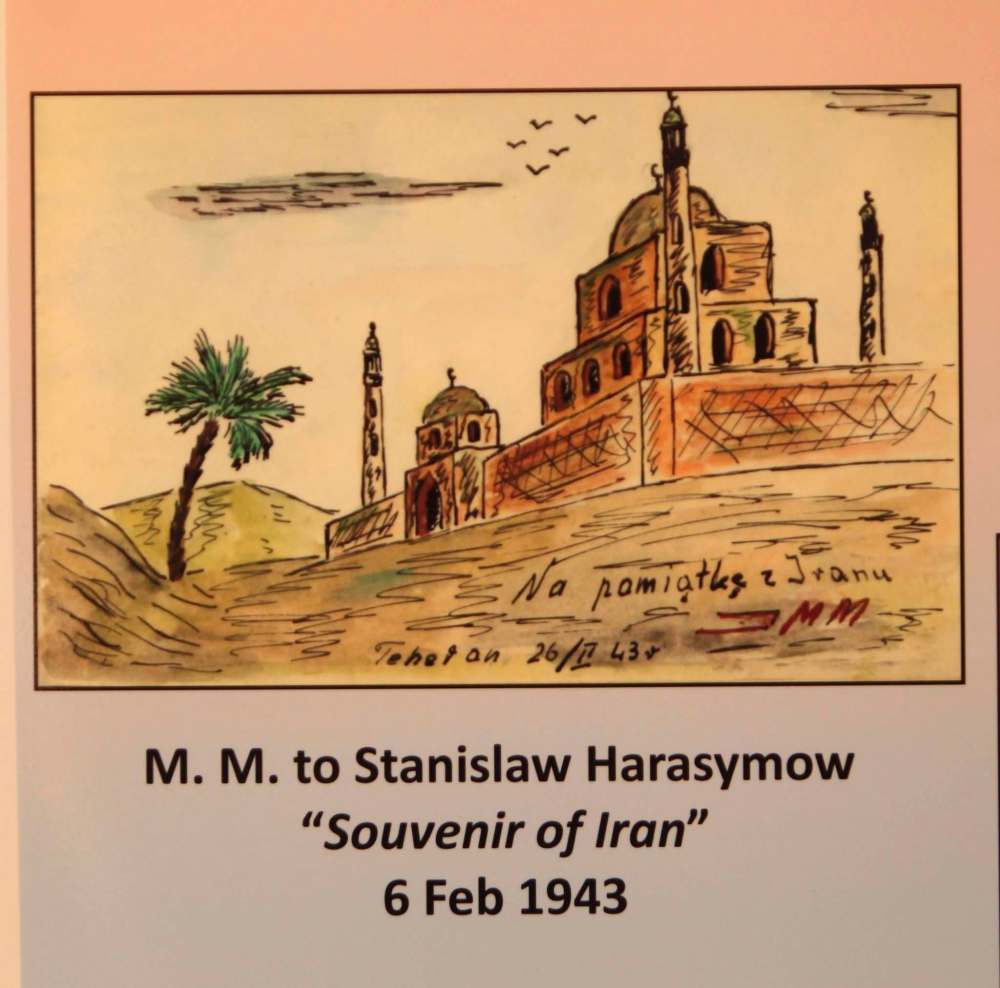
None of the exiles could return home to Poland. Matkowska’s family boarded an oil tanker in the Caspian Sea for Pahlavi, Iran, where they then boarded a train for a refugee camp in Tehran.

“Oh my God, it was very hot and raining,” Matkowska recalled. “They gave us fruit — watermelon — all the time.” Of the few months they stayed in Iran, she spent two months in hospital with typhoid, but the now-great-grandmother said she has good memories of the land she remembers as Persia.
“It was lovely. They allowed us to visit palaces in Tehran… People were very kind to us.”
Their journey wasn’t over, however. They were put on a train and taken to another seaport and travelled across the ocean to Dar es Salaam, Tanzania. There they boarded another ship to Mombasa, Kenya, where Matkowksa and her family caught the train to Uganda.
She spent the next seven years in the Masindi camp that housed close to 5,000 Polish exiles.
The train trip across Africa was a feast for the eyes, she said. “You could see all the animals — monkeys, lions, buffalo, giraffes, ostriches — there were a lot of them.”
Her family spent nearly eight years in Uganda before being resettled in Canada. From the port at Halifax, they took the train to Yorkton, Sask. There she later met her husband, a fellow Pole who was in the Polish resistance during the war. They moved to Winnipeg, had two children and ran Peter Pan Drycleaners in St. James for 20 years.
Matkowska said it’s maddening to see the worst refugee crisis since the Second World War happening now and another generation of children forced into exile.
“Why can’t people live in peace, and trust and respect each other?”
carol.sanders@freepress.mb.ca
Carol Sanders
Legislature reporter
Carol Sanders is a reporter at the Free Press legislature bureau. The former general assignment reporter and copy editor joined the paper in 1997. Read more about Carol.
Every piece of reporting Carol produces is reviewed by an editing team before it is posted online or published in print — part of the Free Press‘s tradition, since 1872, of producing reliable independent journalism. Read more about Free Press’s history and mandate, and learn how our newsroom operates.
Our newsroom depends on a growing audience of readers to power our journalism. If you are not a paid reader, please consider becoming a subscriber.
Our newsroom depends on its audience of readers to power our journalism. Thank you for your support.
If you go
Through the Eyes of Children runs today until 8 p.m., and Saturday and Sunday from 1 p.m. to 4 p.m.
At Ogniwo, Winnipeg’s Polish Museum Society
1417 Main St.
Admission is free
For more, see polishmuseum.com
Carol Sanders
Legislature reporter
Carol Sanders is a reporter at the Free Press legislature bureau. The former general assignment reporter and copy editor joined the paper in 1997. Read more about Carol.
Every piece of reporting Carol produces is reviewed by an editing team before it is posted online or published in print — part of the Free Press‘s tradition, since 1872, of producing reliable independent journalism. Read more about Free Press’s history and mandate, and learn how our newsroom operates.
Our newsroom depends on a growing audience of readers to power our journalism. If you are not a paid reader, please consider becoming a subscriber.
Our newsroom depends on its audience of readers to power our journalism. Thank you for your support.
Advertisement Advertise With Us
Advertisement Advertise With Us