

Well-being check pilot program defended

Advertisement
Read this article for free:
or
Already have an account? Log in here »
To continue reading, please subscribe:

Digital Subscription
One year of digital access for only $205*
- Enjoy unlimited reading on winnipegfreepress.com
- Read the E-Edition, our digital replica newspaper
- Access News Break, our award-winning app
- Play interactive puzzles
*First annual payment billed as $205.00 + GST for one year. This annual subscription will automatically renew at $233.00 + GST every 52 weeks (10% off the regular annual price of $259.35). Offer available to new and qualified returning subscribers only. Cancel any time.
To continue reading, please subscribe:
Add Free Press access to your Brandon Sun subscription for only an additional
$1 for the first 4 weeks*
- Enjoy unlimited reading on winnipegfreepress.com
- Read the E-Edition, our digital replica newspaper
- Access News Break, our award-winning app
- Play interactive puzzles
*Your next Brandon Sun subscription payment will increase by $1.00 and you will be charged $17.95 plus GST for four weeks. After four weeks, your payment will increase to $24.95 plus GST every four weeks.
Read unlimited articles for free today:
or
Already have an account? Log in here »
Hey there, time traveller!
This article was published 04/12/2021 (1754 days ago), so information in it may no longer be current.
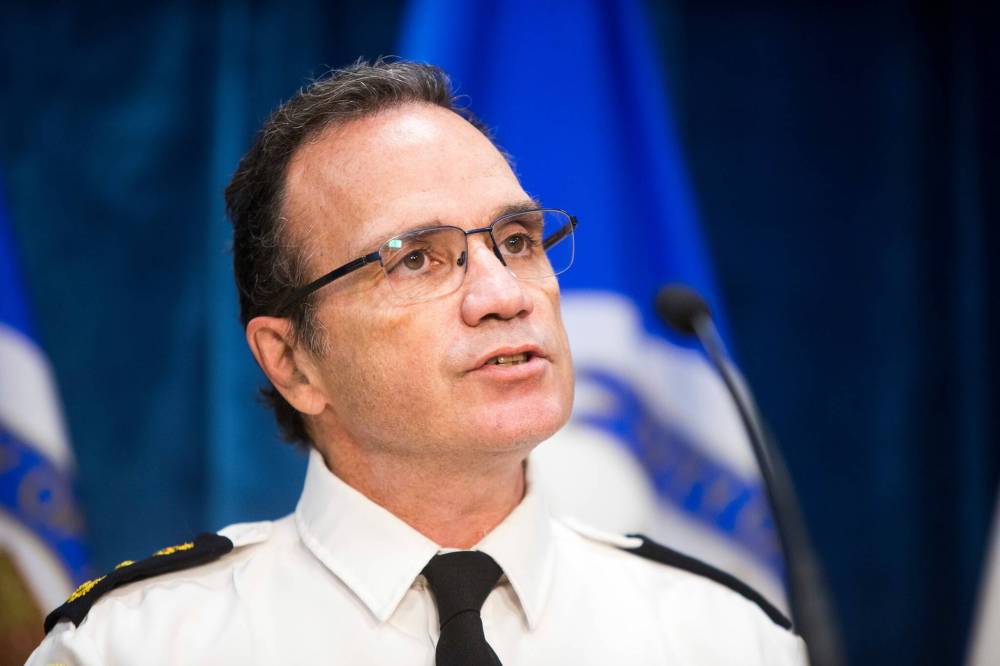
WINNIPEG police Chief Danny Smyth has fended off criticism of a pilot project that pairs a plainclothes officer with a clinician to deal with mental-health emergencies.
He told the police board the pilot, which will start this month, is an attempt by police to de-escalate crisis situations and intervene sooner. He said working with clinicians will get people in need into care faster.
But the one-year Alternative Response to Citizens in Crisis program doesn’t sit well with an anti-police group.
Winnipeg Police Cause Harm member James Wilt suggested the program was “conveniently timed” to be released in the middle of budget proceedings.
“I don’t think that kind of service should be provided by police at all. I think it should be completely parcelled out to an organization that has nothing to do with the police, and this is something that a lot of mental health advocates have been calling for for a very long time… many people do not feel safe when police, whether they’re plainclothes or not, show up at their door,” he said Friday.
Smyth disagreed.
“You’re getting a viewpoint from an abolitionist that has no value for the police. They will never agree to anything that involves the police,” he said.
“When I work within the community with other agencies… they actually want us present, they don’t feel safe taking on some of these things on their own.”

Uniformed officers will continue to be the first to respond to well-being calls. Under the pilot, police will call for a team that includes an armed plainclothes officer and a mental-heath clinician — occupational therapist, nurse, social worker or other specialized professional — to follow up with the person in crisis, if needed.
“Initiatives are being undertaken to address the concerns that (Winnipeggers) have raised in terms of making sure that individuals that are in crisis with mental health and addictions have an alternative response, and a better outcome to their crisis,” Winnipeg Police Board chair Markus Chambers said Friday.
Another person who appeared before the police board on Friday said the shooting of a teenager at a city 7-Eleven in 2019 wouldn’t have been avoided had the pilot project been in operation at that time.
“I don’t see the usefulness whatsoever of mental-health care providers attending to people who require mental-health care with an undercover police officer. I’m not sure how the presence of an undercover police officer aids in the provision of mental-health care,” Owen Toews said.
malak.abas@freepress.mb.ca
Malak Abas is a city reporter at the Free Press. Born and raised in Winnipeg’s North End, she led the campus paper at the University of Manitoba before joining the Free Press in 2020. Read more about Malak.
Every piece of reporting Malak produces is reviewed by an editing team before it is posted online or published in print — part of the Free Press‘s tradition, since 1872, of producing reliable independent journalism. Read more about Free Press’s history and mandate, and learn how our newsroom operates.
Our newsroom depends on a growing audience of readers to power our journalism. If you are not a paid reader, please consider becoming a subscriber.
Our newsroom depends on its audience of readers to power our journalism. Thank you for your support.
Malak Abas is a city reporter at the Free Press. Born and raised in Winnipeg’s North End, she led the campus paper at the University of Manitoba before joining the Free Press in 2020. Read more about Malak.
Every piece of reporting Malak produces is reviewed by an editing team before it is posted online or published in print — part of the Free Press‘s tradition, since 1872, of producing reliable independent journalism. Read more about Free Press’s history and mandate, and learn how our newsroom operates.
Our newsroom depends on a growing audience of readers to power our journalism. If you are not a paid reader, please consider becoming a subscriber.
Our newsroom depends on its audience of readers to power our journalism. Thank you for your support.
Advertisement Advertise With Us
Advertisement Advertise With Us