

Winnipeg doctor cites racism at U of M in call for removal of school president
Advertisement
Read this article for free:
or
Already have an account? Log in here »
To continue reading, please subscribe:

Digital Subscription
One year of digital access for only $205*
- Enjoy unlimited reading on winnipegfreepress.com
- Read the E-Edition, our digital replica newspaper
- Access News Break, our award-winning app
- Play interactive puzzles
*First annual payment billed as $205.00 + GST for one year. This annual subscription will automatically renew at $233.00 + GST every 52 weeks (10% off the regular annual price of $259.35). Offer available to new and qualified returning subscribers only. Cancel any time.
To continue reading, please subscribe:
Add Free Press access to your Brandon Sun subscription for only an additional
$1 for the first 4 weeks*
- Enjoy unlimited reading on winnipegfreepress.com
- Read the E-Edition, our digital replica newspaper
- Access News Break, our award-winning app
- Play interactive puzzles
*Your next Brandon Sun subscription payment will increase by $1.00 and you will be charged $17.95 plus GST for four weeks. After four weeks, your payment will increase to $24.95 plus GST every four weeks.
Read unlimited articles for free today:
or
Already have an account? Log in here »
Hey there, time traveller!
This article was published 21/09/2018 (2941 days ago), so information in it may no longer be current.
A Winnipeg physician and academic is advocating a wholesale change in the leadership at the University of Manitoba – including the removal of president David Barnard – to make it a more welcoming place for Indigenous students.
Barry Lavallee, director of student support and education for the Centre for Aboriginal Health Education at the university, said Indigenous students have to contend with racism at the university “multiple times a day.”
This is a difficult predicament for them, considering “We don’t even believe women at this university – their experiences with oppression,” he said, referring to recently publicized allegations of sexual harassment and assault.
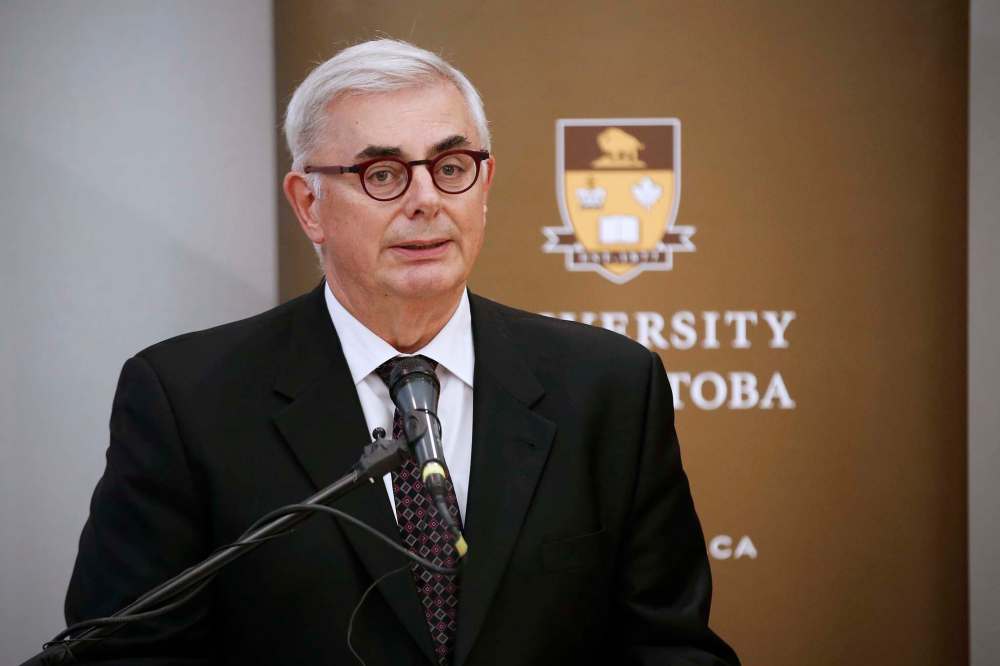
In a public lecture at the university Thursday, which can be viewed on Facebook, Lavallee also charged there is no means for Indigenous students to report incidents of racism at the U of M campus.
“We have no pathway to support Indigenous and racialized people when they experience the violence of racism,” he said.
Lavallee, a family physician, has long-studied chronic disease in First Nation communities and is known internationally for his work in Indigenizing the curriculum for medical schools. He is a member of the Lake Manitoba First Nation and Métis communities.
Lavallee referred to Indigenous people as “internal refugees” in Canada, but without many of the same supports and job opportunities afforded to those who come from overseas
After describing the effects of colonialism and racism on Indigenous health and on society in general, Lavallee turned his attention to the U of M.
He advocated radical change for ridding the institution of racism, including mandatory entrance examinations for all students to assess their knowledge and skills “regarding Indigenous peoples and their current journey.” As well, there needs to be “graduated consequences,” including dismissal, for university staff who “perpetually demonstrate or inflict violence on Indigenous people.”
Change is needed at the top, Lavallee said.
“I suggest – I’ll give it six months – that the current president of the University of Manitoba (Barnard) be removed from his seat, nicely, and we put in an Indigenous female in that position,” he said, adding there is no shortage of qualified candidates.
“And we need the governing forces at this university to be composed of 70 per cent Indigenous people, in order to account for the inequities that are maintained and the inequities that stem from historical violence and trauma. We need that,” he said to applause from the mainly Indigenous audience.
Lavallee’s hour-long talk, which was widely promoted on campus, kicked off a new Indigenous scholars speaker series at the Winnipeg-based university.
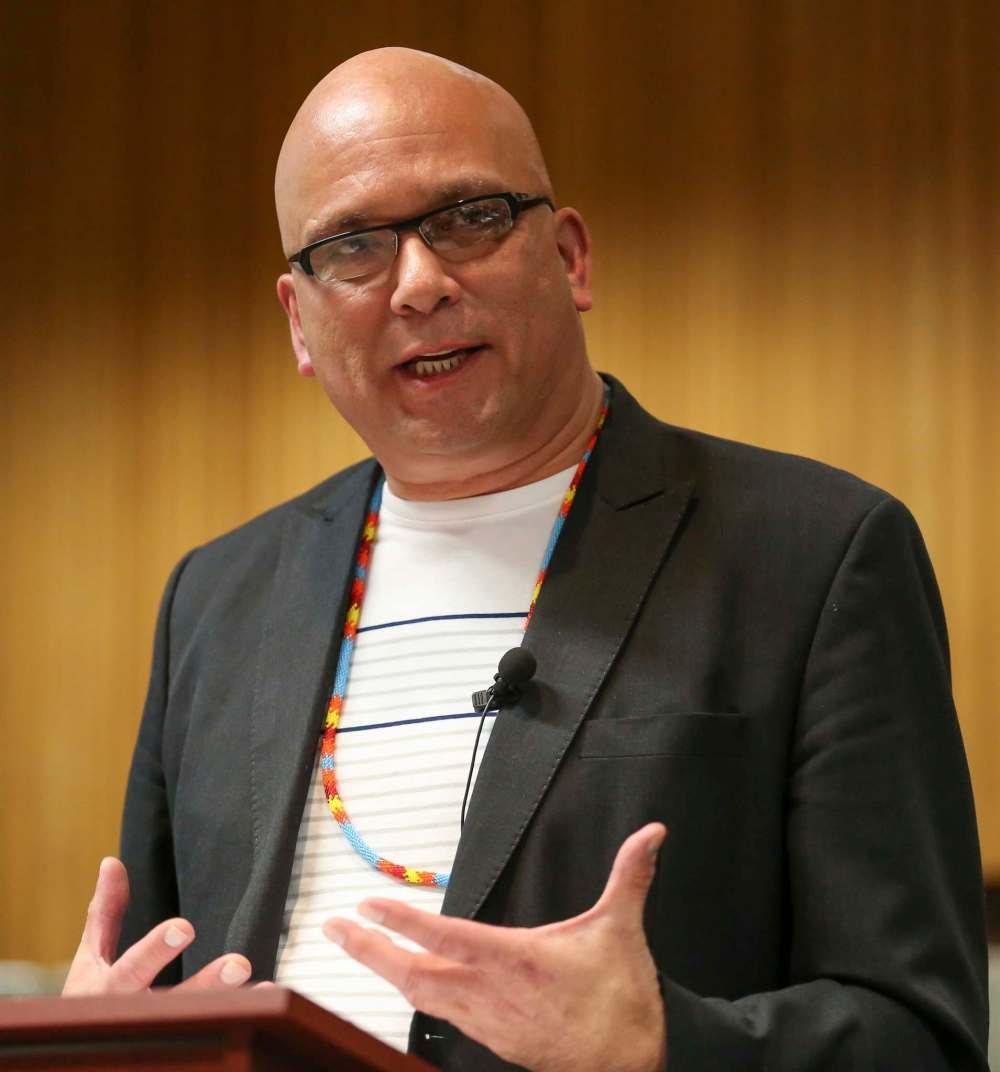
Lynn Lavallée, the U of M’s vice-provost (Indigenous engagement), told the audience the formal mechanisms at the university for reporting racism are “not working” for Indigenous students. Students aren’t comfortable coming forward, she said.

Usually the first point of contact for a student who is experiencing racism is to approach an Indigenous faculty member, said Lavallée, who is no relation to Barry Lavallee.
“I can honestly tell you – and I’ve gone through this process at many institutions – where challenging racism in the academy through the formal structures is violent,” she said, referring to her experiences outside of the U of M.
University spokesman John Danakas said Barry Lavallee was invited “to share his views freely” as part of the Indigenous scholars speaker series.
“This speaker series is intended to highlight the important contributions of Indigenous scholars and to spark conversations that will advance understanding and reconciliation,” he said in an email. “The president (Barnard) strongly supports efforts to increase the number of female and Indigenous senior administrators.”
larry.kusch@freepress.mb.ca
History
Updated on Friday, September 21, 2018 7:20 PM CDT: fixes headlines