

Winnipeg School Division board tests waters on property tax limit

Advertisement
Read this article for free:
or
Already have an account? Log in here »
To continue reading, please subscribe:

Digital Subscription
One year of digital access for only $205*
- Enjoy unlimited reading on winnipegfreepress.com
- Read the E-Edition, our digital replica newspaper
- Access News Break, our award-winning app
- Play interactive puzzles
*First annual payment billed as $205.00 + GST for one year. This annual subscription will automatically renew at $233.00 + GST every 52 weeks (10% off the regular annual price of $259.35). Offer available to new and qualified returning subscribers only. Cancel any time.
To continue reading, please subscribe:
Add Free Press access to your Brandon Sun subscription for only an additional
$1 for the first 4 weeks*
- Enjoy unlimited reading on winnipegfreepress.com
- Read the E-Edition, our digital replica newspaper
- Access News Break, our award-winning app
- Play interactive puzzles
*Your next Brandon Sun subscription payment will increase by $1.00 and you will be charged $17.95 plus GST for four weeks. After four weeks, your payment will increase to $24.95 plus GST every four weeks.
Read unlimited articles for free today:
or
Already have an account? Log in here »
Hey there, time traveller!
This article was published 07/12/2018 (2839 days ago), so information in it may no longer be current.
JUST six weeks into the job, the recently elected board of the Winnipeg School Division has pushed for reducing the voting age to 16 and allowing non-citizens to vote in school board elections.
Now, it’s testing the waters to see how voters and ratepayers feel about raising property taxes more than the two per cent limit suggested by the province.
The WSD has added a three-question survey as part of its 2019-20 budget consultation process. It asks respondents if they’re OK with a property tax increase above two per cent, if it means there won’t be program cuts.
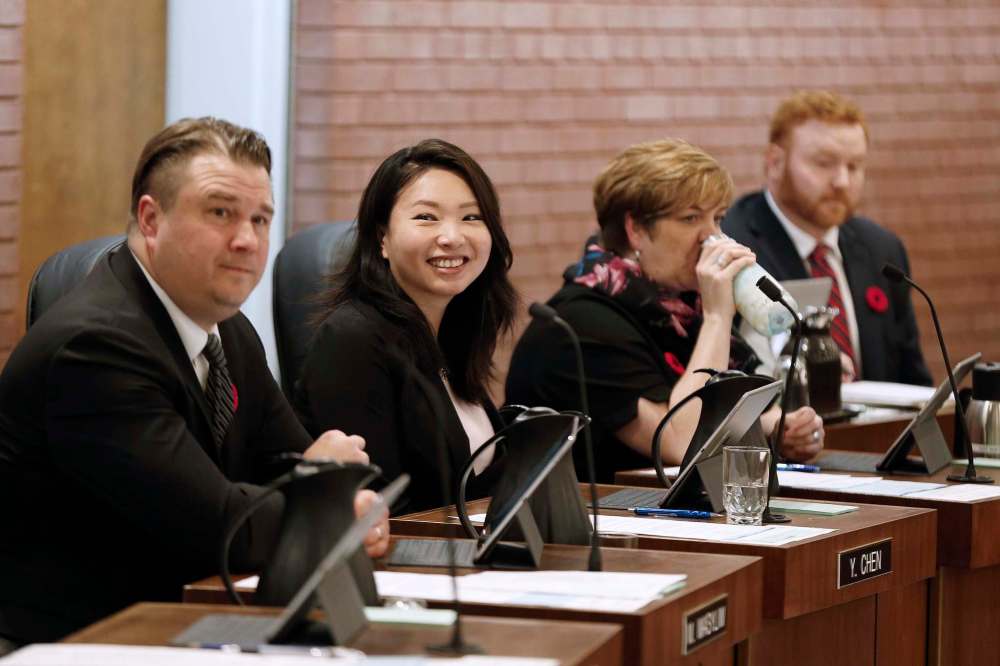
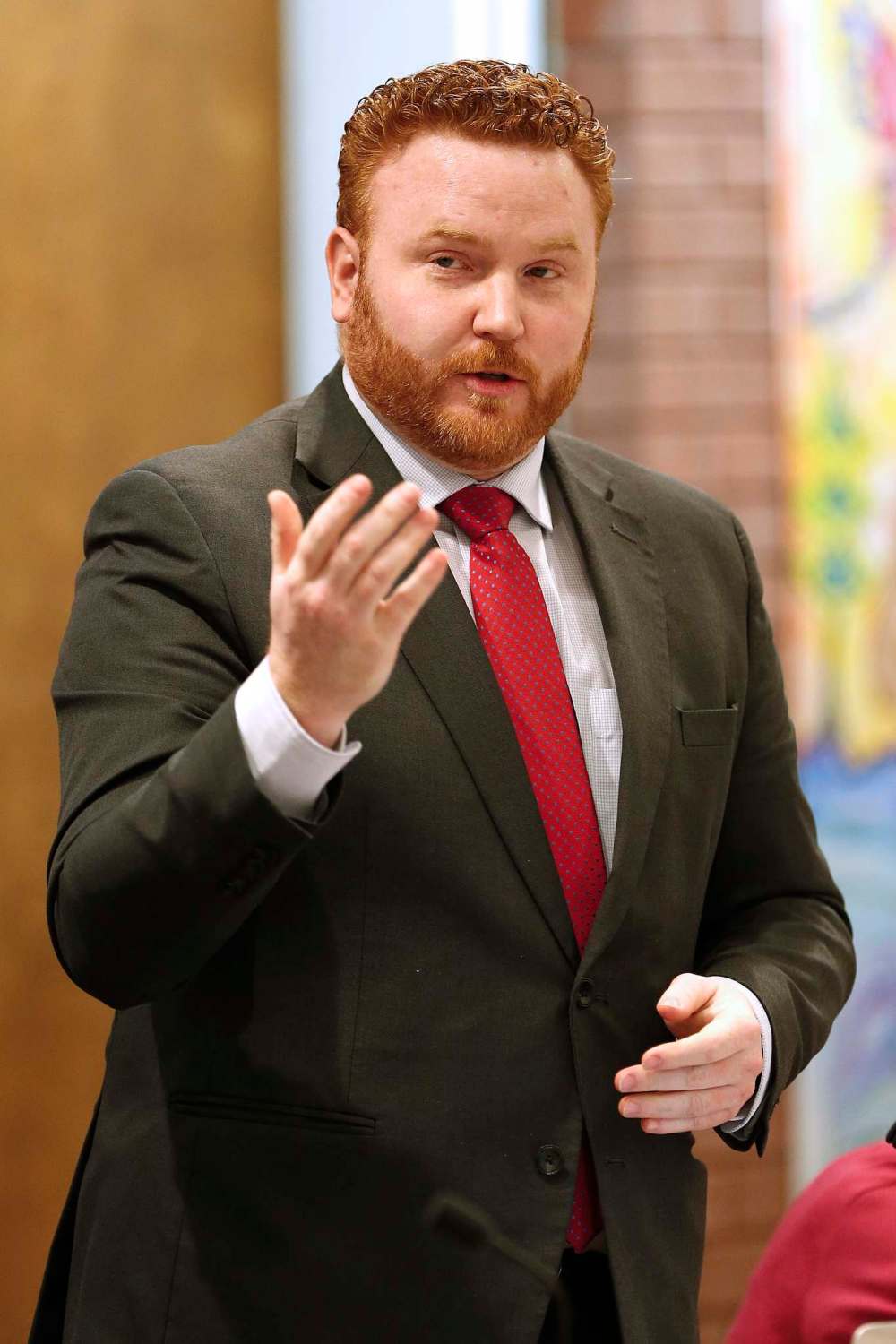
“We want to know from the parents and ratepayers what their values are, and what they want to see us do,” board chairman Chris Broughton said Thursday.
“We’ve been elected to represent them, and the provincial government is imposing this position that they don’t want us to go above that percentage.”
A spokeswoman for the Education and Training Minister Kelvin Goertzen pointed to a February 2018 news release, indicating Goertzen (who took over the portfolio Aug. 1) plans to follow the course set by former minister Ian Wishart.
Wishart said at the time Manitoba was maintaining “a balanced approach to providing students a quality education while creating efficiency and controlling costs within the public education system.”
“(Goertzen) says we are planning a similar approach next year, where we expect school divisions to manage their expenditures responsibly when they create their budgets, and make decisions that best suit students’ needs and consider the impact on taxpayers,” spokeswoman Andrea Slobodian said in an email.
Last year, Manitoba’s public school population grew 0.9 per cent, with Premier Brian Pallister’s government providing the smallest funding increase since the 1990s and capping spending.
Broughton said he’s expecting another challenging year in 2019-20.
“It’s going to be a tough budget, given the political climate we’re in with austerity and the need to find savings in an education system that’s been chronically underfunded and forced to make cuts for many years,” the WSD board chairman said.
“When we are facing challenges and barriers to education and high levels of child poverty, having the education system underfunded to the degree that it is is a challenge.
In the Winnipeg School Division — comprised of 78 schools, 33,000 students and 6,000 employees — trustees are getting out to talk to the people in their wards. They’re presenting the pre-budget survey to district advisory committees, which include representatives from schools and parent councils, and student advisory committees, said Ward 6 trustee Yijie (Jennifer) Chen.
“I have heard form many schools and parents about the importance of maintaining and enhancing programs, so we need to ensure we don’t cut these programs,” said the first-year trustee. Cutting school programs and supports to stick to a two per cent property tax limit will end up hurting local ratepayers and Manitoba taxpayers, as well as students, she said.
“My ward has many low-income and newcomer families who rely on these supports, and limiting them will negatively impact our whole community,” said Chen.
“As school trustees, we have the responsibility to ensure any taxes levied for our schools are spent efficiently and responsibly. Having said that, arbitrarily capping school property tax revenue at two per cent limits our ability to support the programs our children need.”

The province, meanwhile, is embarking on a review of K-12 education in Manitoba.
“We will invite public input on topics such as school funding and taxation as part of our K-12 review in 2019,” Slobodian said in an email. “We continue to provide significant funding to give students the best education possible.”
Broughton worries by the time the review is finished, it will be too late to save programs and supports from the chopping block.
“I’m hopeful that the provincial government will see a need to invest in K-12, but I think it will take the K-12 review for them to see the challenges education is facing in Manitoba,” he said.
carol.sanders@freepress.mb.ca
Carol Sanders
Legislature reporter
Carol Sanders is a reporter at the Free Press legislature bureau. The former general assignment reporter and copy editor joined the paper in 1997. Read more about Carol.
Every piece of reporting Carol produces is reviewed by an editing team before it is posted online or published in print — part of the Free Press‘s tradition, since 1872, of producing reliable independent journalism. Read more about Free Press’s history and mandate, and learn how our newsroom operates.
Our newsroom depends on a growing audience of readers to power our journalism. If you are not a paid reader, please consider becoming a subscriber.
Our newsroom depends on its audience of readers to power our journalism. Thank you for your support.
Budget survey questions
1. Does WSD, in collaboration with its community partners, do enough to support mental health and social emotional needs or can it do more?
2. In order to maintain and/or enhance programs, would you support a budget that exceeds the provincially suggested two per cent property tax limit?
3. What programs in the WSD have most impacted your school/child? What is that impact?
— source: Winnipeg School Division
Carol Sanders
Legislature reporter
Carol Sanders is a reporter at the Free Press legislature bureau. The former general assignment reporter and copy editor joined the paper in 1997. Read more about Carol.
Every piece of reporting Carol produces is reviewed by an editing team before it is posted online or published in print — part of the Free Press‘s tradition, since 1872, of producing reliable independent journalism. Read more about Free Press’s history and mandate, and learn how our newsroom operates.
Our newsroom depends on a growing audience of readers to power our journalism. If you are not a paid reader, please consider becoming a subscriber.
Our newsroom depends on its audience of readers to power our journalism. Thank you for your support.
Advertisement Advertise With Us
Advertisement Advertise With Us