

Youth jail segregation a concern

Advertisement
Read this article for free:
or
Already have an account? Log in here »
To continue reading, please subscribe:
Monthly Digital Subscription
$1 per week for 24 weeks*
- Enjoy unlimited reading on winnipegfreepress.com
- Read the E-Edition, our digital replica newspaper
- Access News Break, our award-winning app
- Play interactive puzzles
*Billed as $4.00 plus GST every four weeks. After 24 weeks, price increases to the regular rate of $19.95 plus GST every four weeks. Offer available to new and qualified returning subscribers only. Cancel any time.
Monthly Digital Subscription
$4.99/week*
- Enjoy unlimited reading on winnipegfreepress.com
- Read the E-Edition, our digital replica newspaper
- Access News Break, our award-winning app
- Play interactive puzzles
*Billed as $19.95 plus GST every four weeks. Cancel any time.
To continue reading, please subscribe:
Add Free Press access to your Brandon Sun subscription for only an additional
$1 for the first 4 weeks*
*Your next subscription payment will increase by $1.00 and you will be charged $16.99 plus GST for four weeks. After four weeks, your payment will increase to $23.99 plus GST every four weeks.
Read unlimited articles for free today:
or
Already have an account? Log in here »
Hey there, time traveller!
This article was published 11/03/2019 (2599 days ago), so information in it may no longer be current.
After its two-year investigation revealed high rates of segregation and pepper-spray use in the province’s youth jails, Manitoba’s ombudsman says youth are being held in segregation because they were found publicly intoxicated.
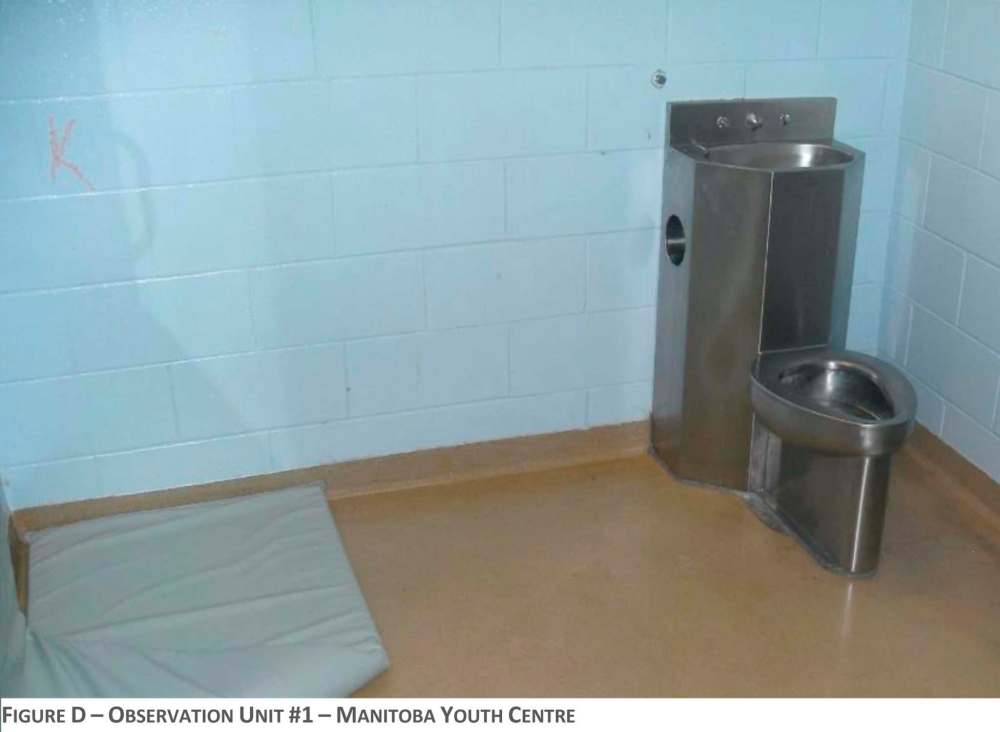
The ombudsman’s office first raised concerns about youth being jailed for being drunk or on drugs more than two decades ago. Its recent report found that 200 youth were picked up under the Intoxicated Persons Detention Act (IPDA) and put in segregation at the Manitoba Youth Centre from 2015-16. Eleven teens were kept in segregation for longer than a day, even though the law says they must be released within 24 hours. The ombudsman’s office found that youth detained for being intoxicated were treated the same as incarcerated youth who are placed in segregation: they were held in windowless observation rooms that are monitored by video.
“There are specific checks that need to be done when you do place a child in segregation in those observation rooms, and we couldn’t determine from the records that we saw whether those specific checks were given to the children, such as giving them an opportunity to make a phone call,” Manitoba ombudsman Marc Cormier said Friday.
“So it’s unclear how they were handled during that one-year time frame, and what their rights were.”
The provincial government promised to implement all 32 of the ombudsman’s recommendations to restrict and properly document the use of segregation and pepper spray in its two youth jails after the ombudsman and Manitoba’s children’s advocate released reports on Feb. 21.
A spokeswoman for justice minister Cliff Cullen said all of the ombudsman’s recommendations were being enforced as of March 1. Two of them were about youth detained for public intoxication. The ombudsman’s office recommended the Manitoba Youth Centre clarify whether its observation room policies should be applied to youth held under the Intoxicated Persons Detention Act and should ensure youth are released within 24 hours.
Under the law, intoxicated youth can only be kept in custody longer than 24 hours with their consent or the consent of a guardian. But the ombudsman’s investigation didn’t find that any consent was given from Sept. 1, 2015 to Aug. 31, 2016.
“We didn’t have any documentation showing that they had gotten consent to do that,” said Marie Langton, lead investigator with the ombudsman’s office.
Langton cross-referenced incident reports from corrections staff with records that showed when youth were moved out of observation rooms. She created a spreadsheet in order to keep track of the data, which wasn’t being tracked by the provincial government.
The province has said it will begin tracking youth segregation, and Cormier said he is in the process of following up to see how the ombudsman’s recommendations are being enforced.
Cullen wasn’t available for an interview Friday, but a spokeswoman issued a statement on his behalf.
“Staff take all reasonable steps to get youth held under IPDA out within 24 hours, but there have been occasions when a young person has no resources or responsible adult to care for him or her. This could be a situation such as a parent or guardian telling staff that they will come and pick up a youth but then don’t show. To keep the youth safe, we would keep him or her a bit longer until arrangements can be made. This is relatively rare, but does happen a few times a year,” the statement said.
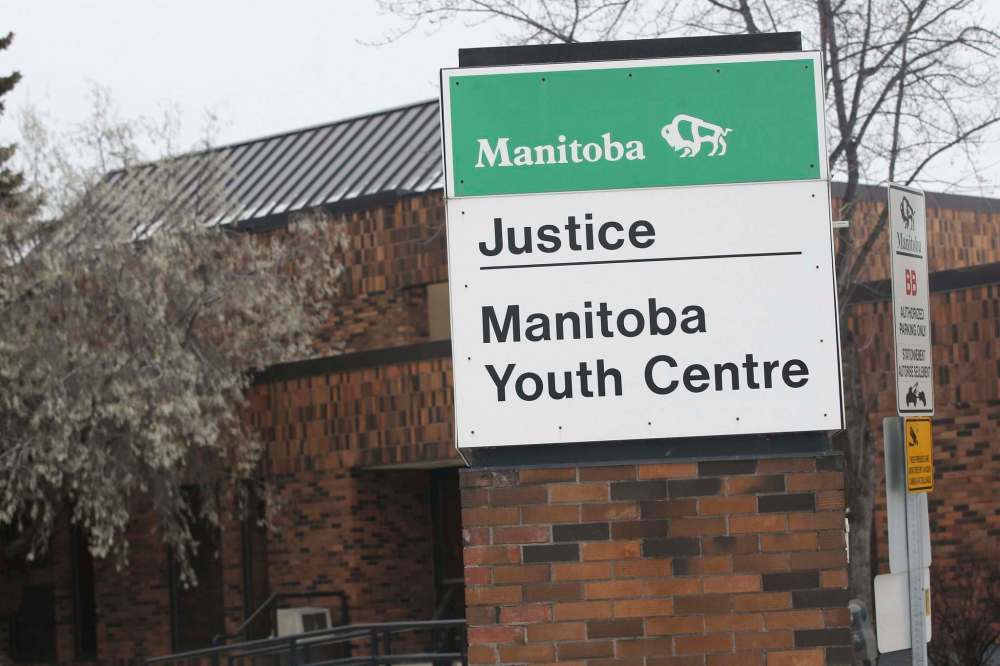
People detained under IPDA aren’t criminally charged, but the Manitoba Youth Centre is listed as one of only two detoxification centres in the province where youth can be taken. The other is Marymound’s youth addictions stabilization unit on Provencher Boulevard.

When youth are held in custody at the Manitoba Youth Centre, intoxication usually isn’t the only reason, Winnipeg Police Service deputy chief Gord Perrier said. The number of youth police take into custody solely for public intoxication “is very small,” he said.
“Our first preference for youth is trying to find responsible family or other caregivers that can care for a youth rather than taking them to the youth centre. Most of the people we take (there), it is in combination with criminal charges,” Perrier said. He said officers often take youth for medical assessments when they’re suspected of being intoxicated.
The practice of jailing youth for intoxication has come under fire repeatedly in Manitoba. The ombudsman has denounced it at least since 1998, prompting calls for the province to establish a drunk tank for minors. Former ombudsman Irene Hamilton raised similar concerns in a 2007 report, describing the jailing of intoxicated youth as a “long outstanding issue that requires resolution immediately.”
katie.may@freepress.mb.ca
Twitter: @thatkatiemay
Katie May is a multimedia producer for the Free Press.
Our newsroom depends on a growing audience of readers to power our journalism. If you are not a paid reader, please consider becoming a subscriber.
Our newsroom depends on its audience of readers to power our journalism. Thank you for your support.
Katie May is a multimedia producer for the Free Press.
Our newsroom depends on a growing audience of readers to power our journalism. If you are not a paid reader, please consider becoming a subscriber.
Our newsroom depends on its audience of readers to power our journalism. Thank you for your support.
Advertisement Advertise With Us
Advertisement Advertise With Us