Misinformation, disinformation and malinformation: how to determine what's real
Please review each article prior to use: grade-level applicability and curricular alignment might not be obvious from the headline alone.
Government data shows extent of truancy issue
4 minute read Preview Monday, Mar. 16, 2026
The supreme leader is the problem
5 minute read Preview Saturday, Mar. 14, 2026Not a just war
5 minute read Saturday, Mar. 14, 2026Harry Huebner in his letter to the editor (Vanishing limits, March 7) was, in my opinion, bang on in his analysis of where the world now finds itself because of the U.S. Operation Epic Fury attack on Iran. Like him, I am skeptical of the possibility of a just war, generally believing that just wars exist only in theory, never in reality.
This war has already shown no American inclination toward reasonable justification, international legality, judicious destruction and commensurate violence, and anticipation of desirable outcomes — the determinants of just war. As in all wars, the first casualties are truth, reason, morality and humanity.
The language of war is deliberately deceitful, meant to divert our attention from its real agenda and its human consequences.
The pretense that this was a defensive move necessitated because all diplomatic channels had been exhausted simply does not stand up as more details about the preparation for war are revealed. The evidence regarding Iran as a nuclear threat — nuclear buildup and capacity — is unsubstantiated, by now a well-known falsehood. The reluctance to call it war, instead depicting it as a “targeted major combat operation” seems clearly intended to appease MAGA folks incensed with U.S. participation in foreign wars.

‘Uncover what’s really going on’: UFO researcher in Manitoba supports AI tracking
3 minute read Preview Friday, Apr. 24, 2026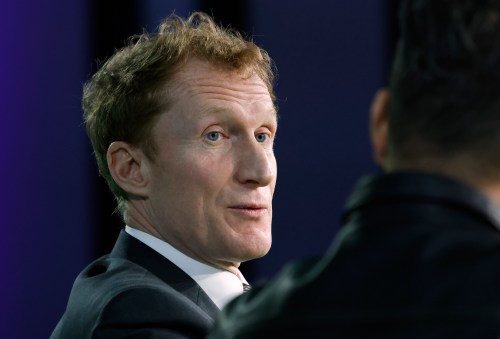
Marc Miller says Musqueam deal has ‘nothing to do with’ private property
3 minute read Preview Friday, Apr. 24, 2026Religious diversity, perspectives being studied in Manitoba schools
5 minute read Saturday, Mar. 7, 2026In January, the provincial government announced a new resource for schools to address Islamophobia. Two years ago, it announced the creation of a new curriculum about the Holocaust.
Those are good things. They will help students know more about Islam and Judaism, and the challenges facing members of those groups. But I wondered: What resources are available to help students develop an even broader sense of religious literacy?
As it turns out, the province has an optional grade 12 course titled “World of Religions: A Canadian Perspective.” It’s designed to help students build interfaith and intercultural understanding as they explore the diversity of religions and religious perspectives within Manitoba and Canada.
That’s also good. Knowing more about other religions is important. But my next question was: How many schools are using it? The answer, it turns out, is not many.

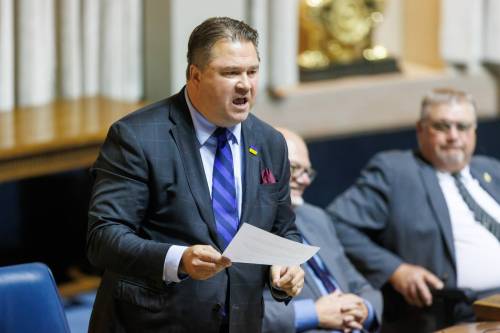
Tories say high-earners could flee if NDP targets province’s wealthiest in upcoming budget
5 minute read Preview Friday, Mar. 6, 2026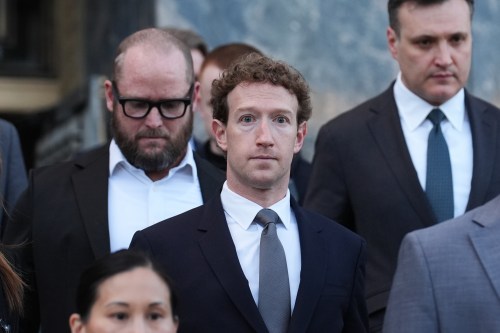
Trial against Meta in New Mexico highlights video depositions by top executives
4 minute read Preview Friday, Apr. 24, 2026
Mayor encouraged after downtown housing unit approvals reach 15-year high
5 minute read Preview Friday, Feb. 27, 2026