

Time for cameras in courts
Advertisement
Read this article for free:
or
Already have an account? Log in here »
To continue reading, please subscribe:

Digital Subscription
One year of digital access for only $205*
- Enjoy unlimited reading on winnipegfreepress.com
- Read the E-Edition, our digital replica newspaper
- Access News Break, our award-winning app
- Play interactive puzzles
*First annual payment billed as $205.00 + GST for one year. This annual subscription will automatically renew at $233.00 + GST every 52 weeks (10% off the regular annual price of $259.35). Offer available to new and qualified returning subscribers only. Cancel any time.
To continue reading, please subscribe:
Add Free Press access to your Brandon Sun subscription for only an additional
$1 for the first 4 weeks*
- Enjoy unlimited reading on winnipegfreepress.com
- Read the E-Edition, our digital replica newspaper
- Access News Break, our award-winning app
- Play interactive puzzles
*Your next Brandon Sun subscription payment will increase by $1.00 and you will be charged $17.95 plus GST for four weeks. After four weeks, your payment will increase to $24.95 plus GST every four weeks.
Read unlimited articles for free today:
or
Already have an account? Log in here »
Hey there, time traveller!
This article was published 14/03/2012 (5282 days ago), so information in it may no longer be current.
Media lawyers will impress upon a provincial court judge this week the value of allowing a camera, or cameras, into the sentencing of Graham James, a former junior hockey coach repeatedly convicted of sexually assaulting his now-former players. The world has been riveted by the case, which is sensational because of the individuals involved — names widely recognizable in a country that counts hockey as a cultural touchstone.
James’ victims are no less or more deserving of justice from the court. The crime was heinous as is all sexual predation of children. But the interest in the case has illustrated what is often the disconnect between justice and how it is perceived. Controversially, James was sentenced to 31/2 years for his first convictions in 1997; a subsequent conviction shortly after resulted in a concurrent sentence. Those sentences have been denounced publicly as symbols of how judges go soft on crime.
The Crown attorney in the recent convictions, however, has noted sentencing must be seen in the context of facts presented in a case, and less was known of James’ conduct at his first trial.
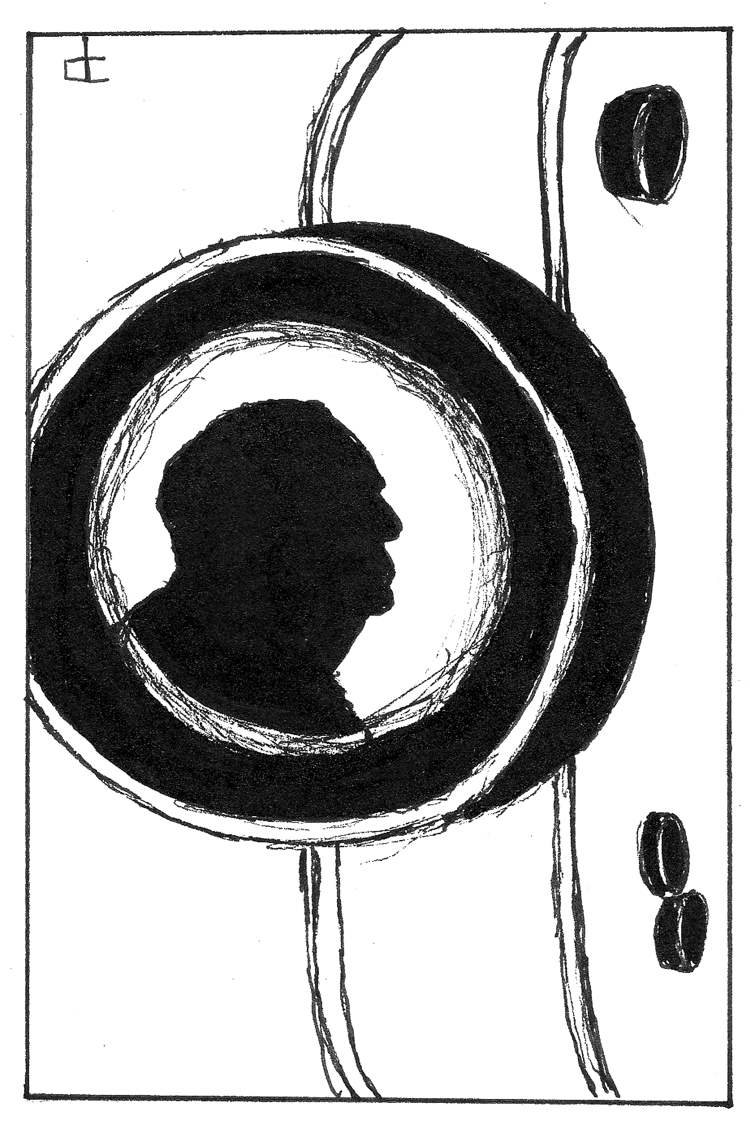
A camera broadcasting the entire proceedings of an sentencing would permit the public, for whom the concept of an accountable, transparent court was devised to serve, to balance their impressions against the facts and circumstances a judge must weigh. It is a small step toward opening Manitoba trials, inquests and appeal hearings to public broadcast.
Other jurisdictions have bowed to the relentless march of progress and made modern technology a part of the system. Manitoba’s judges have shown they are not there yet and believe there is too much risk in allowing people to monitor court cases in real time. This despite the fact a former attorney general and chief provincial judge both have said the hour is upon us.

Many people don’t understand the intricacies of law and justice, that judges are not untethered in their decisions, but follow precedent, codified principles and the Criminal Code rules in judging guilt and innocence, or in imposing sentences. But courts adjudicate the laws society constructs, and the educational exercise goes two ways.
Manitoba’s courts need a cultural shift and must step into the 21st century. A camera should be installed for Graham James’ sentencing and it should stay there, to herald the advent of the new, more robust way justice is seen to be done.
Related Articles
Judge reserves decision on cameras in court for James' sentencing
Advertisement Advertise With Us
Advertisement Advertise With Us