

Parents, your kids are online
Advertisement
Read this article for free:
or
Already have an account? Log in here »
To continue reading, please subscribe:

Digital Subscription
One year of digital access for only $205*
- Enjoy unlimited reading on winnipegfreepress.com
- Read the E-Edition, our digital replica newspaper
- Access News Break, our award-winning app
- Play interactive puzzles
*First annual payment billed as $205.00 + GST for one year. This annual subscription will automatically renew at $233.00 + GST every 52 weeks (10% off the regular annual price of $259.35). Offer available to new and qualified returning subscribers only. Cancel any time.
To continue reading, please subscribe:
Add Free Press access to your Brandon Sun subscription for only an additional
$1 for the first 4 weeks*
- Enjoy unlimited reading on winnipegfreepress.com
- Read the E-Edition, our digital replica newspaper
- Access News Break, our award-winning app
- Play interactive puzzles
*Your next Brandon Sun subscription payment will increase by $1.00 and you will be charged $17.95 plus GST for four weeks. After four weeks, your payment will increase to $24.95 plus GST every four weeks.
Read unlimited articles for free today:
or
Already have an account? Log in here »
Hey there, time traveller!
This article was published 13/10/2012 (5062 days ago), so information in it may no longer be current.
In the 1960s, a new public service announcement began to appear on TV stations across North America: Do you know where your children are?
That message needs to be updated for the 21st century following the suspected suicide of a British Columbia girl, Amanda Todd, 15, who was lured by an unknown man to expose her breasts via webcam when she was in Grade 7.
The man later harassed and threatened her on the Internet, causing her to suffer anxiety and depression. She despaired over the fact a nude photo of her was “out there forever” and she could never get it back.
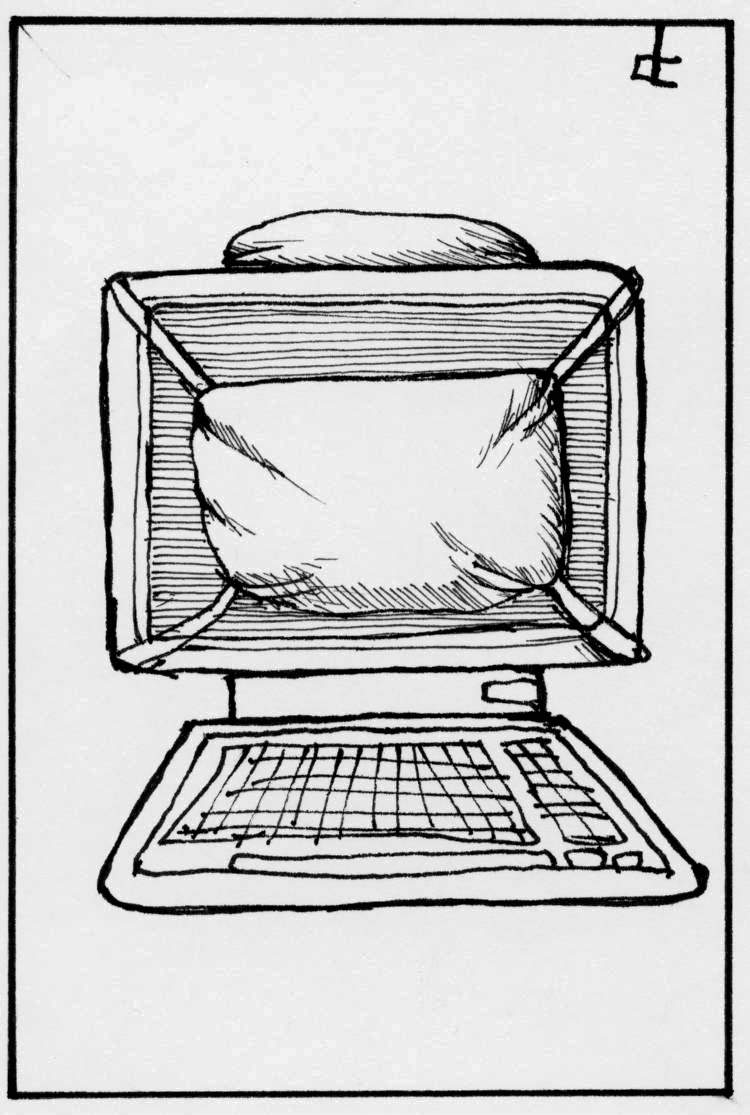
Cyber bullying is not new, but too many people, particularly the very young, remain unaware of the danger of posting inappropriate information online.
Some teenagers may think images of themselves drinking liquor or acting silly are harmless, but once on the Internet, they can become impossible to remove, correct or explain. The same is true of allegations made online, or the dissemination of personal information. The old adage about not talking to strangers should also be revived for the modern era.

Parents and schools need to be more vigilant in educating young people about the perils and minefields in today’s cyber world, which can be cruel and unforgiving.
The question today is not do you know where your children are; it’s do you know what they are doing and where they are going online?
Related Articles
RCMP probe case of bullied B.C. teen who killed self
Advertisement Advertise With Us