

Sign, sign everywhere a sign
Advertisement
Read this article for free:
or
Already have an account? Log in here »
To continue reading, please subscribe:
Monthly Digital Subscription
$0 for the first 4 weeks*
- Enjoy unlimited reading on winnipegfreepress.com
- Read the E-Edition, our digital replica newspaper
- Access News Break, our award-winning app
- Play interactive puzzles
*No charge for 4 weeks then price increases to the regular rate of $19.95 plus GST every four weeks. Offer available to new and qualified returning subscribers only. Cancel any time.
Monthly Digital Subscription
$4.99/week*
- Enjoy unlimited reading on winnipegfreepress.com
- Read the E-Edition, our digital replica newspaper
- Access News Break, our award-winning app
- Play interactive puzzles
*Billed as $19.95 plus GST every four weeks. Cancel any time.
To continue reading, please subscribe:
Add Free Press access to your Brandon Sun subscription for only an additional
$1 for the first 4 weeks*
*Your next subscription payment will increase by $1.00 and you will be charged $16.99 plus GST for four weeks. After four weeks, your payment will increase to $23.99 plus GST every four weeks.
Read unlimited articles for free today:
or
Already have an account? Log in here »
Hey there, time traveller!
This article was published 07/12/2012 (4775 days ago), so information in it may no longer be current.
The laws on outdoor advertising signs are in a state of flux across Canada with cities looking for new ways to both regulate and tax their growing presence, particularly as new technology expands the type and size of billboard platforms.
The City of Winnipeg, however, was going too far, too fast, with its plan to quadruple the taxes on outdoor advertising, an increase that would not be tolerated by another business sector, or homeowners. Under the proposal, the annual tax on the average billboard would have risen to $1,140 from $350.
Fortunately, executive policy committee heeded the concerns of the industry and decided earlier this week to postpone a decision pending further study, including the possibility of adopting a revenue-sharing model. The advertising industry warned that such a steep increase would put some companies and jobs at risk.
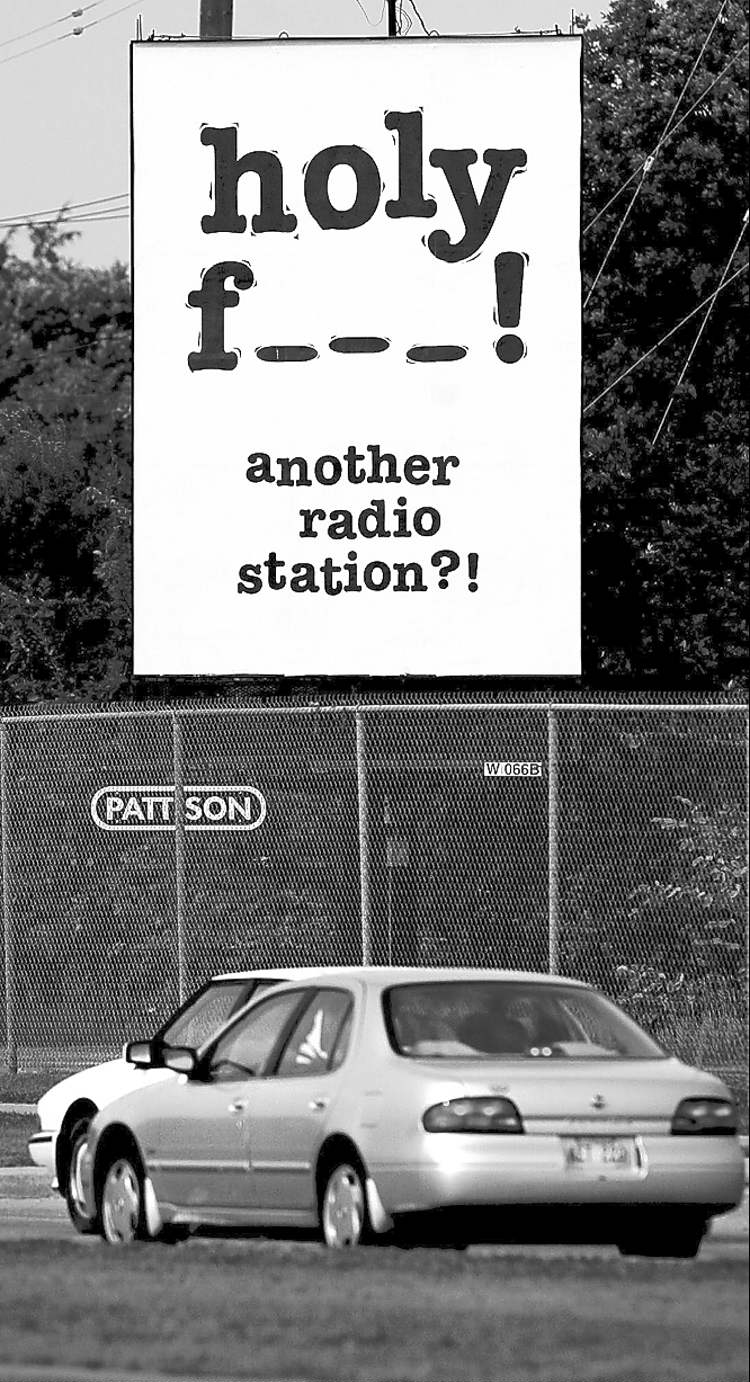
In addition to taxes, the firms also pay permit fees that are pegged to the city’s administrative costs.
Toronto is the only other Canadian city currently assessing a tax on billboards because, like Winnipeg, it has the legal authority to do so. Toronto’s taxes are quite stiff, ranging from $1,150 to $24,000 a year per sign, but the industry is fighting the municipality’s right to tax legal non-conforming signs, which account for 99 per cent of Toronto’s outdoor signs, according to a city report.
Other cities would like to tax outdoor advertising, but they lack the legal right to do so under the legislation of their respective provinces. Some of these communities are looking for new ways to pursue other sources of revenue from billboards.
Communities should be entitled to receive some benefit from the billboard industry beyond a simple permit fee, but a model based on percentage of revenue is fairer, since it would reflect changing economic conditions.
Executive policy committee did approve a wide-ranging and complex set of rules to regulate the size, height, location, brightness and type of signs that would be allowed in Winnipeg.

Digital signs that display moving images, for example, would be banned because they are believed to be a distraction to motorists.
A study by the AAA Foundation for Traffic Study in the United States said there was no proof billboards of any type caused accidents, but other studies show a correlation between outdoor signs and traffic accidents.
There’s no question advertising signs have grown dramatically in cities, and there is a need to regulate the clutter to ensure they don’t block important architectural landmarks, impede normal sightlines, or ruin neighbourhood esthetics.
Some signs, however, add colour, humour and information. Others are necessary to help motorists find their way, such as the iconic traffic sign on south Osborne that offers guidance on how to navigate Confusion Corner.
The challenge of a new municipal sign bylaw, then, is to ensure the excitement and useful information conveyed by signs is balanced against the need for reasonable decorum, esthetics and safety.
History
Updated on Friday, December 7, 2012 10:41 AM CST: Incorrect information on digital signs removed