

Mr. Sale’s advice is sound
Advertisement
Read this article for free:
or
Already have an account? Log in here »
To continue reading, please subscribe:
Monthly Digital Subscription
$1 per week for 24 weeks*
- Enjoy unlimited reading on winnipegfreepress.com
- Read the E-Edition, our digital replica newspaper
- Access News Break, our award-winning app
- Play interactive puzzles
*Billed as $4.00 plus GST every four weeks. After 24 weeks, price increases to the regular rate of $19.95 plus GST every four weeks. Offer available to new and qualified returning subscribers only. Cancel any time.
Monthly Digital Subscription
$4.99/week*
- Enjoy unlimited reading on winnipegfreepress.com
- Read the E-Edition, our digital replica newspaper
- Access News Break, our award-winning app
- Play interactive puzzles
*Billed as $19.95 plus GST every four weeks. Cancel any time.
To continue reading, please subscribe:
Add Free Press access to your Brandon Sun subscription for only an additional
$1 for the first 4 weeks*
*Your next subscription payment will increase by $1.00 and you will be charged $16.99 plus GST for four weeks. After four weeks, your payment will increase to $23.99 plus GST every four weeks.
Read unlimited articles for free today:
or
Already have an account? Log in here »
Hey there, time traveller!
This article was published 19/01/2013 (4837 days ago), so information in it may no longer be current.
Manitoba Hydro executives are unbowed in the belief their multi-billion-dollar capital plan is the right strategy for keeping this province in the energy market. The plan is predicated, as one might predict, on massive new generation of hydroelectricity.
The plan has drawn fire from various corners for a number of reasons. But the utility is backed by a history of achievement — it opened and successfully exploited the north as a natural, lucrative resource — and a provincial government that believes continued hydroelectric development will be its legacy. Manitoba Hydro is all but impenetrable to outside advice that falls afoul of this strategy.
Today, in the Free Press’s FYI section, former NDP energy minister Tim Sale lays out a compelling case to doubt Hydro’s ability to assess objectively alternative forms of energy, beyond water and damming rivers and building the massive infrastructure to convert, carry and sell power from the vast northern wilderness to southern customers.
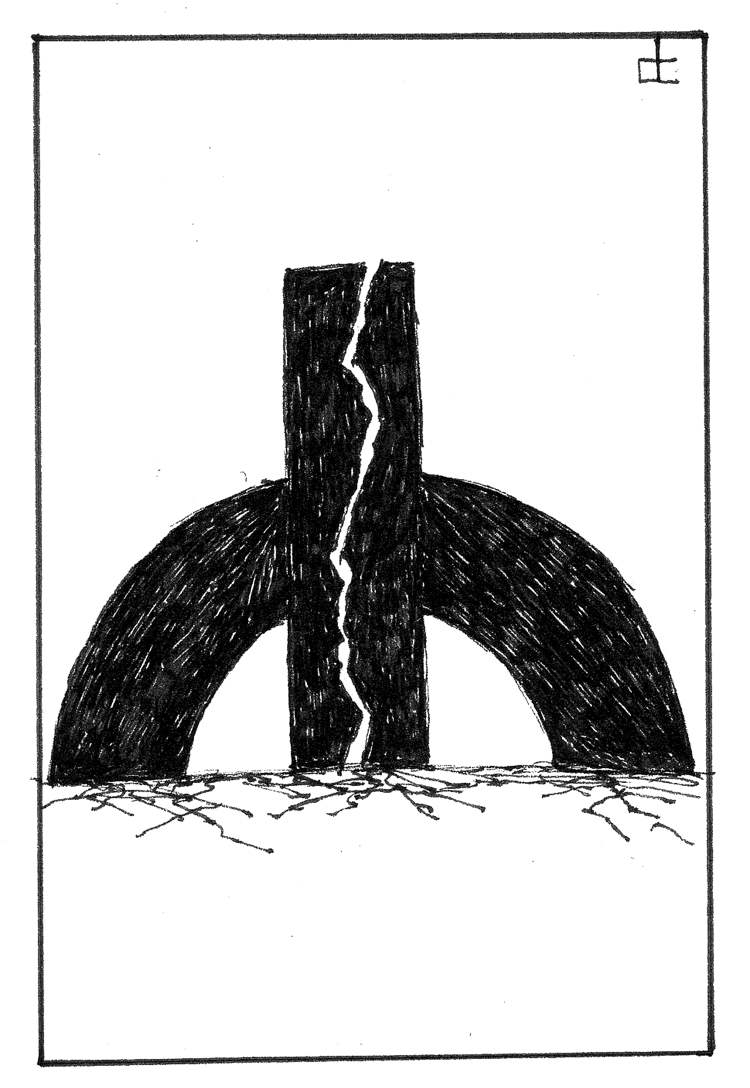
The Public Utilities Board, which regulates rates, has repeatedly questioned Hydro’s grasp on the economics of its plan. Shifting markets and economic headwinds have hiked Hydro’s costs and substantially diminished its returns on investment — costs Manitobans whose bills will double in the next 18 years will bear.
Mr. Sale, however, says the problem is more than financial. He notes that climate change, for example, makes a strategy that focuses on one form of energy particularly risky. Relying on a corporation that single-mindedly focuses on doing more of what it has always done means missing the potential of the new technologies in development.
Long a fan of wind energy, Mr. Sale is not the first or even the most vocal opponent of Manitoba Hydro’s $23-billion capital plan, which is seeking approval of three new generation stations, a third bipole transmission line, a new converter station and expensive upgrades to hydroelectric assets that will not produce new revenues. The new dams, with their rising construction costs, are controversial because they are being built in advance of domestic need to serve the export market.

Mr. Sale stresses the real flaw in Manitoba Hydro’s plan is its singular vision of hydroelectricity development, which puts all the eggs in one basket. Climate change alone should soften an energy strategy that relies predominantly upon hydroelectric development. Cost cannot be the sole consideration, he argues. Diversifying with alternative forms of energy, such as wind, solar and geothermal, provides a hedge against the vulnerabilities of one form of power generation.
The truly salient point he makes is Manitoba Hydro suffers from tunnel vision, common to aging empires, that has made it near blind to alternatives. It wants to keep doing what in past decades has proved profitable. As if to punctuate the point, this week, Manitoba Hydro was hammered over its lacklustre efforts to ramp up conservation.
Mr. Sale asserts Manitoba requires an energy corporation, one that invests aggressively in research and seeks out the best advice, measures hydroelectric investment against the latest thinking in energy production and conservation, and balances cost against risk in the broadest sense.
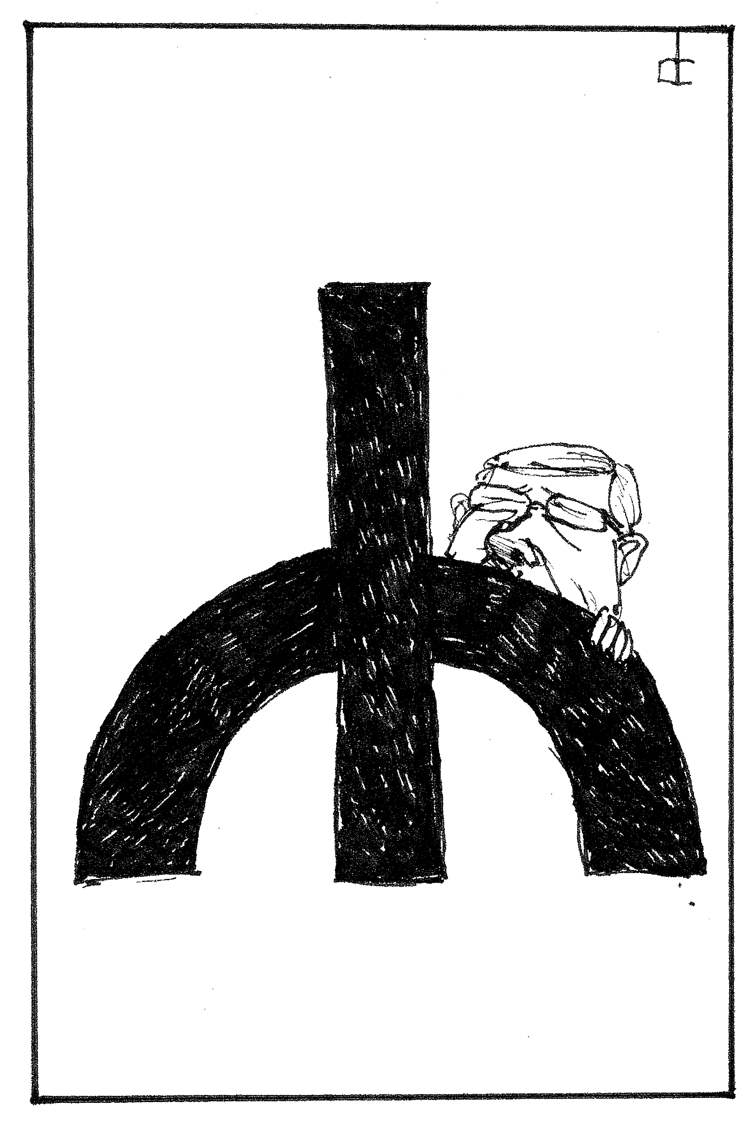
He joins a long-standing call by the PUB for an independent look at the wisdom of Hydro’s strategy for future power production. Manitoba Hydro’s reply to all its critics is simply that expensive new generating stations are the best bet, even in the face of shifting markets and climate and rising risk to ratepayers.
Single-mindedness is a symptom of a siege mentality that sets in when an aging institution feels the foundation crumbling. Premier Greg Selinger must look beyond his political ambitions for Manitoba Hydro to protect the interest of all Manitobans. He should suspend Manitoba Hydro’s development plans and find independent outside experts to evaluate of how best to position Manitoba for the future of energy technology, production and use.
Related Articles
Hydro needs a new vision
Advertisement Advertise With Us
Advertisement Advertise With Us