

Require social work standards
Advertisement
Read this article for free:
or
Already have an account? Log in here »
To continue reading, please subscribe:
Monthly Digital Subscription
$1 per week for 24 weeks*
- Enjoy unlimited reading on winnipegfreepress.com
- Read the E-Edition, our digital replica newspaper
- Access News Break, our award-winning app
- Play interactive puzzles
*Billed as $4.00 plus GST every four weeks. After 24 weeks, price increases to the regular rate of $19.95 plus GST every four weeks. Offer available to new and qualified returning subscribers only. Cancel any time.
Monthly Digital Subscription
$4.99/week*
- Enjoy unlimited reading on winnipegfreepress.com
- Read the E-Edition, our digital replica newspaper
- Access News Break, our award-winning app
- Play interactive puzzles
*Billed as $19.95 plus GST every four weeks. Cancel any time.
To continue reading, please subscribe:
Add Free Press access to your Brandon Sun subscription for only an additional
$1 for the first 4 weeks*
- Enjoy unlimited reading on winnipegfreepress.com
- Read the E-Edition, our digital replica newspaper
- Access News Break, our award-winning app
- Play interactive puzzles
*Your next Brandon Sun subscription payment will increase by $1.00 and you will be charged $17.95 plus GST for four weeks. After four weeks, your payment will increase to $24.95 plus GST every four weeks.
Read unlimited articles for free today:
or
Already have an account? Log in here »
Hey there, time traveller!
This article was published 01/08/2013 (4669 days ago), so information in it may no longer be current.
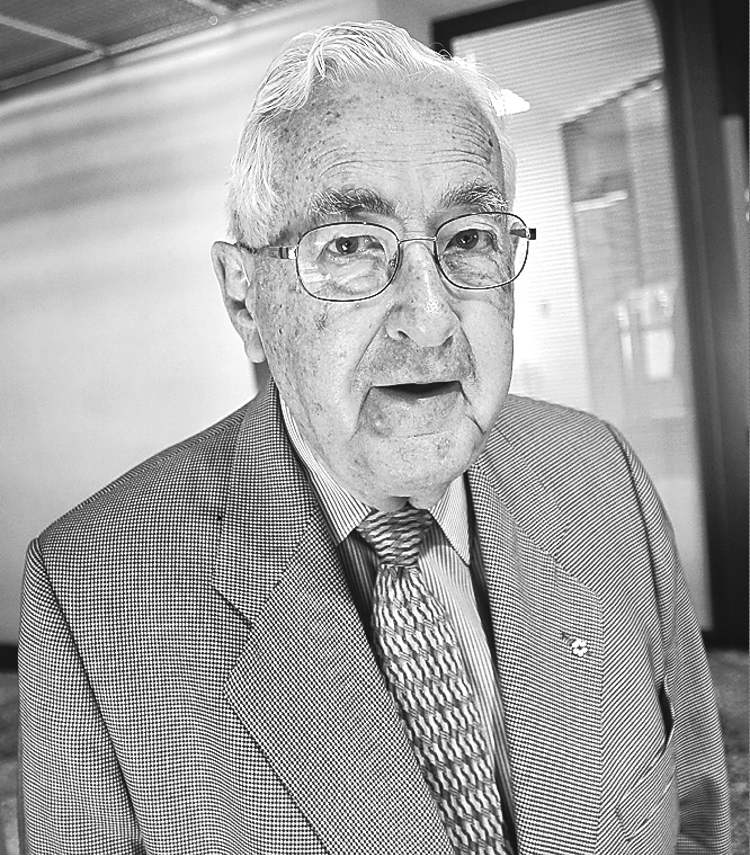
Commissioner Ted Hughes can retire now to the quiet of his office to contemplate the reams of evidence collected during 91 days of testimony that described some of the tragically short life of Phoenix Sinclair. There is no doubt, as child-welfare officials agree, state intervention — and lack thereof — badly failed the five-year-old, brutally murdered by her mother and step-father in 2005.
Mr. Hughes’ task is to filter through the details of who did what, when and why to recommend ways to keep children from being left in the hands of dangerous parents or caregivers.
Samantha Kematch, in prison for first-degree murder, was Phoenix’s mother but she was no parent. Despite ample signs of her inability to care for Phoenix, child-welfare agencies and those closest to the girl let her fall back into Kematch’s hands. Phoenix’s days were numbered when Kematch began living with Karl Wesley McKay, a man documented as criminally violent, and an abiding danger to women and children.
Numerous reports laid out the many errors of commission and omission by a multitude of CFS workers who touched Phoenix’s file — from her birth in 2000 to just months before she was slain, CFS was frequently involved, or alerted, that the girl was in peril. Successive Family Services ministers insist those reports must be hidden from public scrutiny, but that is untrue and unnecessary.
If findings about the weight of caseload described in the review of CFS’s involvement with Phoenix had been known publicly in 2006, change could have come faster. This is just one obvious aspect of the value of public accountability.
An analysis of how well vulnerable children fare over time by the Manitoba Centre for Health Policy found kids involved with CFS have the worst outcomes. Why? Because they were scarred from their earliest years, or because CFS response was inadequate: too little, too late? Many children live in a succession foster or group homes before “aging” out of the system to fend for themselves.
A running narrative in the testimony from those closest to Phoenix — her father Steve Sinclair, her surrogate parents and other relatives — was that the little girl was surrounded by love and, until Kematch reclaimed her in 2004, was bright, well-adjusted, happy, healthy. “Incredible,” was how Rohan Stephenson described her. And all of those who loved her did what they could to keep Phoenix out of the clutches of child-welfare agencies.

That was not just to keep Phoenix close, but because they had a deep-seated distrust of CFS, much of it from personal experience. This is the primary challenge of the agencies tasked to protect children and help families. Front-line services must be organized to separate the role of apprehension from that of offering help. Mr. Hughes’ thoughts on how that can be done, drawing from experience in other jurisdictions, would be useful.
Finally, not one of the intervenors who offered summary advice to the commissioner this week called for the professional regulation of child-welfare workers who wield substantial power over the lives of parents and children.
The provincial government has not proclaimed legislation passed in 2009 to require mandatory registration of social workers. There is a lot of opposition to establishing a self-regulating college to licence and monitor the professional work of social workers — many front-line workers do not hold social work degrees.
The use of the term “social worker” should be restricted, and those wielding statutory power to intervene in the lives of families and children ought to meet professional ethical and training standards and be held accountable for their conduct.
Commissioner Hughes must make it clear Manitoba, the lone holdout in Canada, can no longer allow child-welfare workers to escape professional accountability.