

Clearing the snow
Advertisement
Read this article for free:
or
Already have an account? Log in here »
To continue reading, please subscribe:

Digital Subscription
One year of digital access for only $205*
- Enjoy unlimited reading on winnipegfreepress.com
- Read the E-Edition, our digital replica newspaper
- Access News Break, our award-winning app
- Play interactive puzzles
*First annual payment billed as $205.00 + GST for one year. This annual subscription will automatically renew at $233.00 + GST every 52 weeks (10% off the regular annual price of $259.35). Offer available to new and qualified returning subscribers only. Cancel any time.
To continue reading, please subscribe:
Add Free Press access to your Brandon Sun subscription for only an additional
$1 for the first 4 weeks*
- Enjoy unlimited reading on winnipegfreepress.com
- Read the E-Edition, our digital replica newspaper
- Access News Break, our award-winning app
- Play interactive puzzles
*Your next Brandon Sun subscription payment will increase by $1.00 and you will be charged $17.95 plus GST for four weeks. After four weeks, your payment will increase to $24.95 plus GST every four weeks.
Read unlimited articles for free today:
or
Already have an account? Log in here »
Hey there, time traveller!
This article was published 10/10/2013 (4715 days ago), so information in it may no longer be current.
Winnipeggers are averse to change, but a consultant’s suggestion that the city adopt a new policy for clearing snow from residential streets deserves a chance.
Under the current policy, residential streets are the lowest priority for snow-clearing after major roads and collector streets. As a result, homeowners struggle to get onto their streets and navigate through drifts to a regional street.
Spinning wheels and zigzagging through unplowed streets are common.
Residential streets might eventually get plowed to the pavement, but usually only once a year, or following a 10-centimetre snowfall or equivalent local drifting conditions.
A proposal by consultant KPMG, however, would see residential streets plowed more often, but never down to the bare pavement and not curb to curb, as is the case currently.
Plows would be able to move faster through neighbourhoods, resulting in lower costs. KPMG estimates the city could save up to $3 million a year on average.
Such a policy would also protect civic curbs, which regularly get crushed or broken, which would be an additional saving in money and manpower.
If the new policy was adopted, however, it should not also exclude the clearing of windrows from driveways, which has always been part of city policy in recognition that back lanes are plowed for homeowners in older neighbourhoods.
KPMG has also suggested a surcharge be levied when snow-clearing costs exceed the city budget, but this is a prescription for abuse, particularly if the city decided to freeze its current budget and make up the difference through special fees.
Snow-clearing is a basic civic service and homeowners should not be held hostage to the whims of weather, which can change dramatically from year to year.
Ultimately the goal of any new policy must be an efficient and cost-effective means of keeping the streets clear and safe. If the proposed policy doesn’t achieve that goal, it can always be abandoned, but it is worth a try.
Related Articles
City committee considers removing back-lane windrows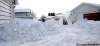

Advertisement Advertise With Us