

Franklin legacy still being written
Advertisement
Read this article for free:
or
Already have an account? Log in here »
To continue reading, please subscribe:
Monthly Digital Subscription
$1 per week for 24 weeks*
- Enjoy unlimited reading on winnipegfreepress.com
- Read the E-Edition, our digital replica newspaper
- Access News Break, our award-winning app
- Play interactive puzzles
*Billed as $4.00 plus GST every four weeks. After 24 weeks, price increases to the regular rate of $19.95 plus GST every four weeks. Offer available to new and qualified returning subscribers only. Cancel any time.
Monthly Digital Subscription
$4.99/week*
- Enjoy unlimited reading on winnipegfreepress.com
- Read the E-Edition, our digital replica newspaper
- Access News Break, our award-winning app
- Play interactive puzzles
*Billed as $19.95 plus GST every four weeks. Cancel any time.
To continue reading, please subscribe:
Add Free Press access to your Brandon Sun subscription for only an additional
$1 for the first 4 weeks*
*Your next subscription payment will increase by $1.00 and you will be charged $16.99 plus GST for four weeks. After four weeks, your payment will increase to $23.99 plus GST every four weeks.
Read unlimited articles for free today:
or
Already have an account? Log in here »
Hey there, time traveller!
This article was published 12/09/2014 (4222 days ago), so information in it may no longer be current.
Break out the grog, hoist the flag. A key piece of Canadian history has been found, a mystery partially solved.
The loss of two ships under Sir John Franklin during a search for the Northwest Passage in 1846 is actually a British story, but like the Arctic itself, ownership of the ships and their mystique was passed down to Canada.
The discovery of one of the two doomed ships, Erebus and Terror, has been a pet project of Stephen Harper since he became prime minister in 2006. For him, their significance was bundled with nationalism, Arctic sovereignty and notions of Canadian identity.
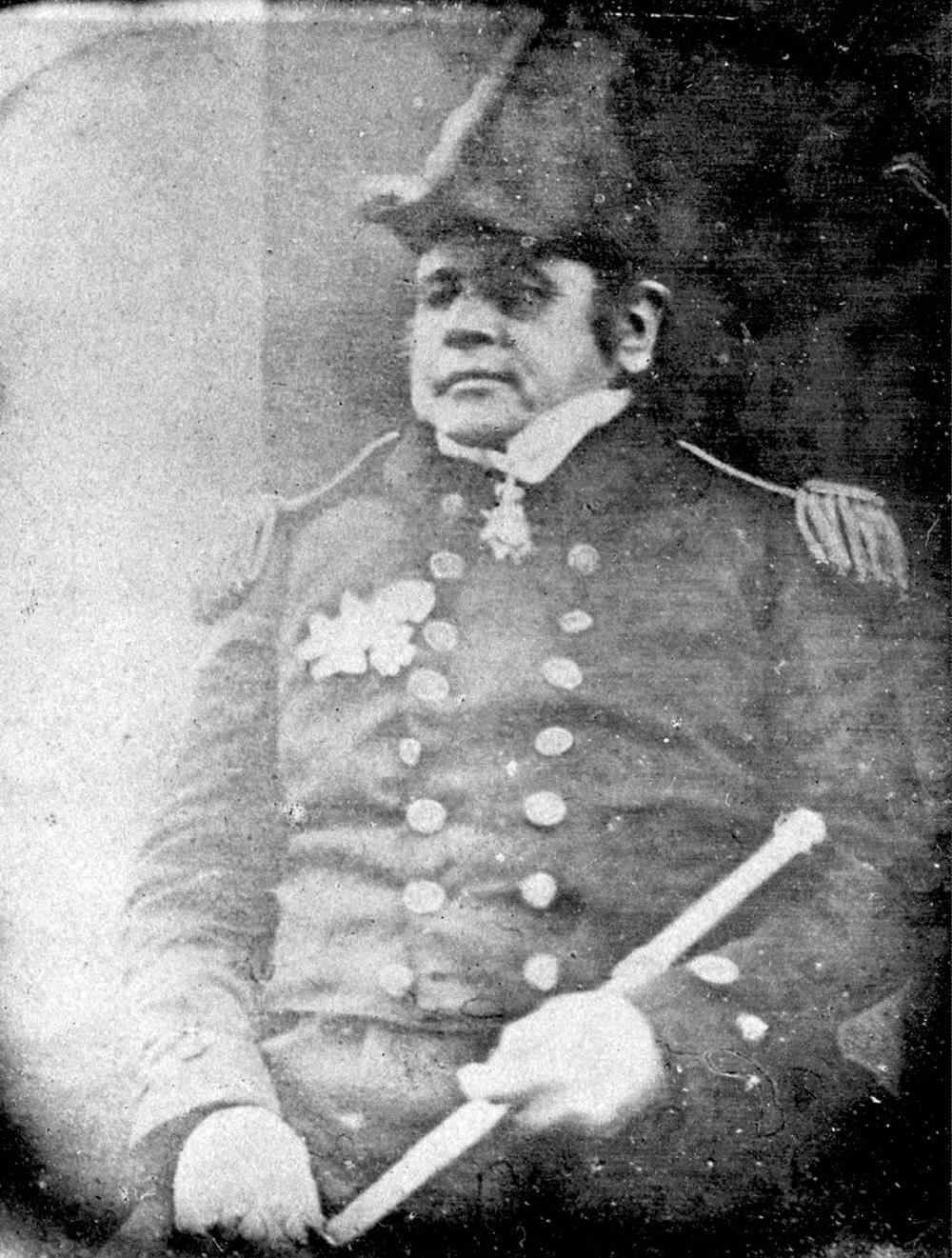
Some critics have viewed his obsession with Franklin as purely political — a way to enhance the Harper brand — but the prime minister is said to have been a student of the failed expedition for many years.
He has visited the Arctic nine times as prime minister, more than any other national leader, and funded several searches for the graves of the lost ships and their crews.
Although his interest in the subject is genuine and sincere, it also fits comfortably with his vision of a country that was forged in war and heroic exploits. He’s been generous with funds to celebrate military anniversaries, while trimming the budgets of Parks Canada, which helped finance the searches for the Franklin ships, and the military itself.
Nevertheless, Mr. Harper deserves full credit for relentlessly pressing the search for the lost ships and for raising the profile of the Arctic in general.
He is also well aware history can be used to leverage broader issues in the region, notably Canada’s claim over the inland waterways other countries say are international waters.
At stake is not merely the ability to navigate in the Canadian Arctic, but to develop the potentially rich resources beneath the water. It’s no coincidence, for example, that Shell Canada has helped fund the expeditions to find the Franklin ships.
Shell says it already has a strong presence in the North, so partnering on the project was “a natural fit.”
Of course, oil exploration is also a natural fit for the company, but it may not be as easy as staking a claim.
Ironically, the discovery of the Franklin ship and the fact the general area is already a national historic site could threaten the ability of anyone to open a drilling platform in the region.
American scholar Adriana Craciun (see page opposite), who has studied the Franklin expedition’s possible impact on Canadian sovereignty, has said while discovery of the ships could boost Canada’s territorial claims, it could also inhibit its ability to extract oil.

As a heritage site, Canada could theoretically claim responsibility for the waterways, but it might also increase pressure to impose a ban on oil development in such a sensitive area, Prof. Craciun said.
The pressure against development would be even greater if the area was declared a world heritage site, she says. The needs and rights of the Inuit would also have to be considered.
The focus today, however, is on the remarkable discovery. The story of how the ships became trapped in ice while their crews struggled for survival has been a Canadian passion for many generations. It’s not something cooked up by Mr. Harper in the last few years.
There was even an effort in 1967 by Princess Patricia’s Canadian Light Infantry to find the ships as part of the 100th anniversary of Confederation. More than 50 officers and men, supported by frogmen and other specialists, spent about three weeks looking for the ships, but came up empty.
The Franklin expedition may have started in England, but today it’s an iconic Canadian story whose lasting impact has yet to be determined.
Related Articles
Franklin's errors should inform Canada's map for Northwest Passage
Advertisement Advertise With Us
Advertisement Advertise With Us