

Ottawa must balance rights, security
Advertisement
Read this article for free:
or
Already have an account? Log in here »
To continue reading, please subscribe:

Digital Subscription
One year of digital access for only $205*
- Enjoy unlimited reading on winnipegfreepress.com
- Read the E-Edition, our digital replica newspaper
- Access News Break, our award-winning app
- Play interactive puzzles
*First annual payment billed as $205.00 + GST for one year. This annual subscription will automatically renew at $233.00 + GST every 52 weeks (10% off the regular annual price of $259.35). Offer available to new and qualified returning subscribers only. Cancel any time.
To continue reading, please subscribe:
Add Free Press access to your Brandon Sun subscription for only an additional
$1 for the first 4 weeks*
- Enjoy unlimited reading on winnipegfreepress.com
- Read the E-Edition, our digital replica newspaper
- Access News Break, our award-winning app
- Play interactive puzzles
*Your next Brandon Sun subscription payment will increase by $1.00 and you will be charged $17.95 plus GST for four weeks. After four weeks, your payment will increase to $24.95 plus GST every four weeks.
Read unlimited articles for free today:
or
Already have an account? Log in here »
Hey there, time traveller!
This article was published 22/10/2014 (4348 days ago), so information in it may no longer be current.
The Harper government has to resist temptation to use the attack on two soldiers in Quebec as a justification for further expanding the powers of the state to snoop on Canadians.
Now is not the time for knee-jerk reactions.
The Conservatives are expected to table legislation next week to increase the powers of the Canadian Security Intelligence Service (CSIS). This includes the right to track the movement of Canadians overseas and provide their names to foreign spy agencies if there is evidence they are linked in some way to terrorism.
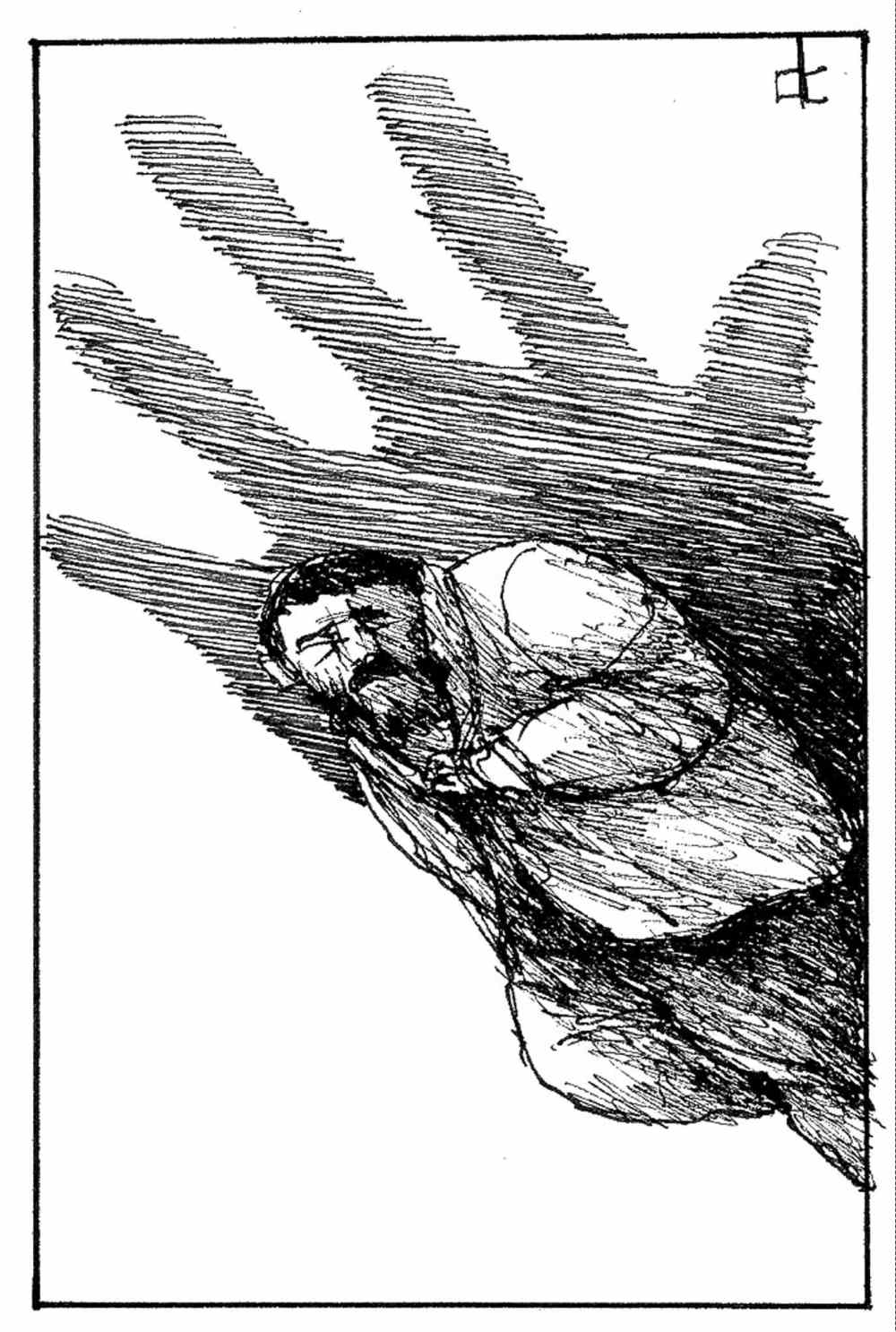
The move comes amid fears a growing number of Canadians is being drawn to the conflict in the Mideast and, in particular, the extremist group Islamic State (IS), which has been effective at recruiting disaffected and disillusioned young people from across the world. Security officials are worried some of these homegrown terrorists could return to Canada and launch small-scale attacks here.
There’s not enough information about the Canadian who attacked the two soldiers, killing one, to determine if he was following directions, or if he was merely a lone wolf inspired by the wide-eyed and bloodthirsty hysteria of IS, which has threatened to carry out terrorist attacks in Canada.
It is known, however, that he was one of about 90 Canadians who are under surveillance as potential terrorist threats, either against Canada or somewhere else.
Despite this disturbing crime, the government will still have to make a vigorous and compelling case to boost CSIS’s powers, which is not to say such a case cannot be made.
The problem in the past when the government sought extra powers is that it wasn’t always accompanied with a program for proper judicial oversight.
CSIS has complained court rulings have trimmed its powers and limited its ability to protect Canadians at home. The spy agency says it needs the authority to track Canadians abroad in order to monitor their movements, particularly if they return to Canada.
Canadians, however, should not forget the case of Maher Arar, who was deported to Syria by the Americans as a terrorist after CSIS provided information that turned out to be false. Mr. Arar was imprisoned and tortured in Syria. And he was abandoned by his country without the slightest oversight or concern the rights of a Canadian citizen were violated.
The government has a duty to keep Canadians safe, but it must do so in ways that balance fundamental rights and freedoms with the need for effective national security.
Parliament’s opposition parties may worry about opening themselves to accusations of acting too timidly if they challenge the government’s security bill. They should remember, however, their job is to scrutinize government policy.

The fear of terrorism has led to the rise of the security state and the weakening of privacy and citizenship rights, the very things western governments said would never happen following the devastating terror attacks of 9/11.
Of course, the world has utterly changed since then, particularly on the home front, where the so-called radicalization of Canadian youth is rapidly becoming one of the country’s most-pressing security issues.
So far in Canada, however, the greatest threat to ordinary Canadians has not been from religious extremists, but from common criminals and organized crime.
The best defence for Canadians, then, as suggested by a government policy paper released two years ago, is to become engaged with their neighbours and communities.
Perhaps Canadians should take a lesson from Israel, where national security is viewed as both a collective and individual responsibility. Canadians will have to learn that security begins with them.
Related Articles
The day it all changed
Advertisement Advertise With Us
Advertisement Advertise With Us