

Fixing hearts faster in Manitoba
Advertisement
Read this article for free:
or
Already have an account? Log in here »
To continue reading, please subscribe:
Monthly Digital Subscription
$1 per week for 24 weeks*
- Enjoy unlimited reading on winnipegfreepress.com
- Read the E-Edition, our digital replica newspaper
- Access News Break, our award-winning app
- Play interactive puzzles
*Billed as $4.00 plus GST every four weeks. After 24 weeks, price increases to the regular rate of $19.95 plus GST every four weeks. Offer available to new and qualified returning subscribers only. Cancel any time.
Monthly Digital Subscription
$4.99/week*
- Enjoy unlimited reading on winnipegfreepress.com
- Read the E-Edition, our digital replica newspaper
- Access News Break, our award-winning app
- Play interactive puzzles
*Billed as $19.95 plus GST every four weeks. Cancel any time.
To continue reading, please subscribe:
Add Free Press access to your Brandon Sun subscription for only an additional
$1 for the first 4 weeks*
*Your next subscription payment will increase by $1.00 and you will be charged $16.99 plus GST for four weeks. After four weeks, your payment will increase to $23.99 plus GST every four weeks.
Read unlimited articles for free today:
or
Already have an account? Log in here »
Hey there, time traveller!
This article was published 14/01/2015 (4106 days ago), so information in it may no longer be current.
WINNIPEG’S Cardiac Sciences Program has come a long way since the dark days when warring surgeons and cardiologists and hospitals fought for money, resources and bragging rights, turning patients and recruitment of physicians into collateral damage. But an external review of the program shows there’s work yet to be done.
How is it, for example, Manitobans are waiting excessively to get access to the ultrasound procedures necessary before they are scheduled for surgery required to fix their hearts? The review team from the University of Ottawa Heart Institute found that last year, 4,000 heart patients were waiting for the elective procedure. This after the Cardiac Sciences Program was centralized at St. Boniface Hospital in a huge effort to bring some control and accountability, and to put patients, not physicians, at the centre of care.
The Winnipeg Regional Health Authority asked the U of O team to audit its efforts to date, following a sweeping audit of a fractious program that was failing on many levels and bleeding specialists.
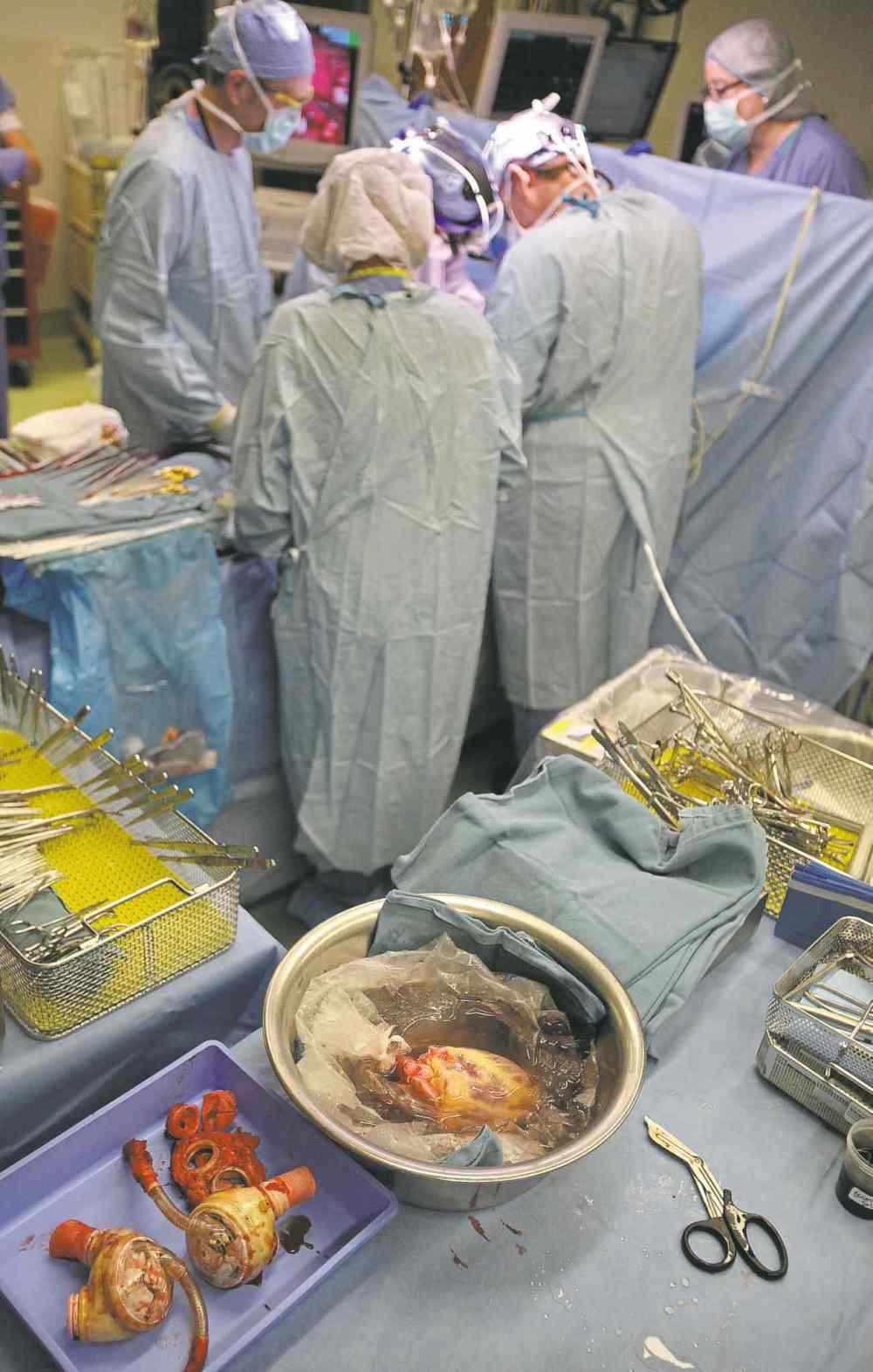
While a lot of ground has been covered regarding the shift since 2003, especially with recruitment of specialists, there remain significant weaknesses. Surgeries are cancelled — more than 120 in 2013 — because there are not enough funded beds for critical cardiac care.
And while there is better co-ordination today within the program, not everyone feels like they are part of the team — anesthetists don’t feel engaged and resent the rate of last-minute surgical cancellations. Research gets short shrift, something that requires a specific leader to champion the effort in the program. The lack of collaboration between surgeons and cardiologists, who insert stents to open blocked vessels, means the program can’t say whether the right procedure is selected for all patients. There has been a disproportionate growth in the number of catheterizations (required for stent implantation), contrary to the evidence of best practices and trends elsewhere.
The review makes special note of the fact surgeons tend to disappear from the bedside after the work in the operating room is done. Patients should see a surgeon at least once a day, it says.
The program’s own projections have grossly overestimated the future demand for, and types of, cardiac services. Again, the key to selecting the right treatment for patients is to get surgeons and cardiologists collaborating on the decisions.

But there is lots to brag about. Surgical outcomes in the program were among the best in Canada, and there’s been vigorous recruitment of surgeons, cardiologists and anaesthetists. And while there are no grounds yet to launch a cardiac transplantation program here, the care for and preparation of patients with failing hearts for out-of-province transplants also got a glowing review by the Ottawa team.
The WRHA says a transplantation program is very much the aim, but work has to be done to increase the number of heart donors each year to support the plan. The review, however, notes donations and “physician manpower issues” were significant challenges to overcome before that happens and that “heart transplant should not be considered as a top priority.”
The WRHA has its to-do list to improve heart care for Manitobans. The most immediate fix needed is to train the technologists required for ultrasounds on hearts.
One solution, says Canadian Medical Association president Chris Simpson, who met with the editorial board Tuesday, may be to follow Ontario’s example, where nurses can be trained in three months.
The diagnostic backlog shows Manitoba’s data on waits for heart surgery fall far short of describing the experience of patients. Until the backlog is fixed, heart patients cannot be assured they will get the best care in a reasonable time.
Related Articles
Increase patients’ role in cardiology policy Association head says long waits for echocardiograms here unique
Advertisement Advertise With Us
Advertisement Advertise With Us