

Keep First Nations kids in their homes
Advertisement
Read this article for free:
or
Already have an account? Log in here »
To continue reading, please subscribe:
Monthly Digital Subscription
$0 for the first 4 weeks*
- Enjoy unlimited reading on winnipegfreepress.com
- Read the E-Edition, our digital replica newspaper
- Access News Break, our award-winning app
- Play interactive puzzles
*No charge for 4 weeks then price increases to the regular rate of $19.95 plus GST every four weeks. Offer available to new and qualified returning subscribers only. Cancel any time.
Monthly Digital Subscription
$4.99/week*
- Enjoy unlimited reading on winnipegfreepress.com
- Read the E-Edition, our digital replica newspaper
- Access News Break, our award-winning app
- Play interactive puzzles
*Billed as $19.95 plus GST every four weeks. Cancel any time.
To continue reading, please subscribe:
Add Free Press access to your Brandon Sun subscription for only an additional
$1 for the first 4 weeks*
*Your next subscription payment will increase by $1.00 and you will be charged $16.99 plus GST for four weeks. After four weeks, your payment will increase to $23.99 plus GST every four weeks.
Read unlimited articles for free today:
or
Already have an account? Log in here »
Hey there, time traveller!
This article was published 03/06/2015 (3872 days ago), so information in it may no longer be current.
Manitoba is living proof the racist federal policies of previous centuries that attempted to eradicate the “Indian problem” are not history. The effects can be seen today in the lives of First Nations people, and no where more vividly than in child welfare. This province has to stop the flow of aboriginal children coming into the care of the state. Tweaking long-standing approaches to protect First Nations kids from neglect or harm in the home will not work.
It’s time for a family services makeover, one that sees First Nations getting more, not less, control of child-protection services.
The Truth and Reconciliation Commission’s executive summary traces the trickle-down effect of Indian residential schools and the broader policy of forced assimilation that guided Canadian aboriginal law from the late 1800s on. Among the most enduring effects of the residential school era was that First Nations children who were raised, for the most part, by religious orders lost contact with their parents and were robbed of identity and self-worth.
Many of the 150,000-plus students who passed through the schools emerged scarred and fell to addictions, poverty and despair. When they had babies of their own, they were at sea when it came to parenting.
That led to a rebound effect, the TRC found. Starting in the 1940s, First Nations kids were funnelled into regular public schools, but residential schools saw their enrolments rise. Why? By 1952, some 40 per cent of students were orphans or from “broken homes.” By 1960, “the federal government estimated that 50 per cent of the children in residential schools were there for child-welfare reasons.”
The Sixties Scoop — native children adopted out of the province or out of the country — compounded the generational fallout.
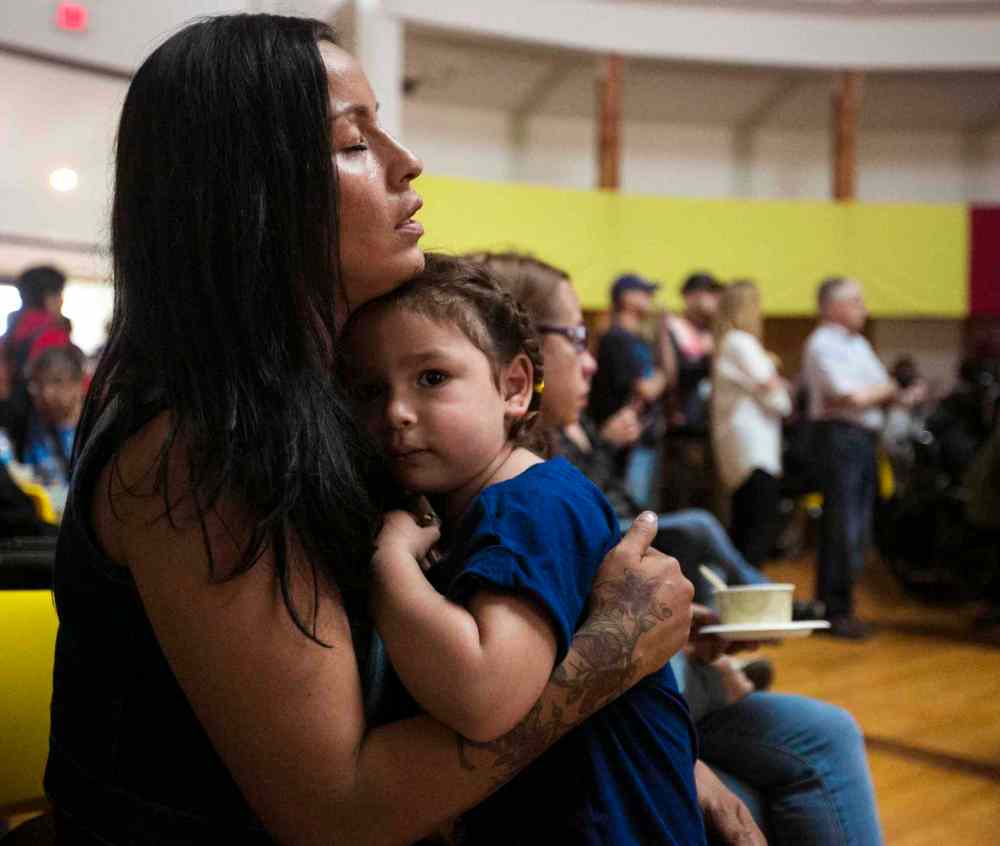
Today, not surprisingly, Canada’s child-welfare systems are filled with aboriginal children. Manitoba has the country’s highest rate: about 88 per cent of the 10,000-plus children in care of the state are aboriginal.
The commission says the child-welfare system is a continuation of assimilation residential-school style. That’s unfair. Child-welfare agencies do not scoop up kids to make them “white,” and must make their case for guardianship before a judge.
The TRC’s own research shows investigations and apprehensions for maltreatment are much higher among aboriginal people.
And, today, native child-welfare agencies are becoming the norm in Canada.

They, however, are following provincial law in that job. Children are still being placed in non-aboriginal homes. And in Manitoba, where the move to native child-welfare control was badly bungled, First Nation-led services have been set back with the province now in control of the Southern and Northern family services authorities.
Canada has to address the debilitating social conditions that are feeding the flow of First Nations children into child-welfare systems. That will cost the federal and provincial governments money for preventive programs.
The TRC is right in calling for a cultural shift in the control and delivery of family services. While “Canada has rejected First Nations’ demands to operate services in accordance with traditional laws,” in the U.S., tribal authority is respected. Tribal courts have exclusive jurisdiction over child custody matters. The U.S. has seen its rate of apprehensions fall, in part because of increased spending to keep families together.
Manitoba has seen tragic results when CFS agencies put family preservation into effect, without the necessary supports to ensure those homes are healthy and can cope. That cannot happen again.
But there are good models, in Canada and in Manitoba, that show First Nations can successfully deliver care to families in ways that reflect traditional values. It is time this province, especially, makes the shift to replicate those approaches and invests in ways that let First Nations communities do what’s right for their kids.
History
Updated on Thursday, June 4, 2015 6:54 AM CDT: Adds photo