

24-hour casinos a bad gamble
Advertisement
Read this article for free:
or
Already have an account? Log in here »
To continue reading, please subscribe:

Digital Subscription
One year of digital access for only $205*
- Enjoy unlimited reading on winnipegfreepress.com
- Read the E-Edition, our digital replica newspaper
- Access News Break, our award-winning app
- Play interactive puzzles
*First annual payment billed as $205.00 + GST for one year. This annual subscription will automatically renew at $233.00 + GST every 52 weeks (10% off the regular annual price of $259.35). Offer available to new and qualified returning subscribers only. Cancel any time.
To continue reading, please subscribe:
Add Free Press access to your Brandon Sun subscription for only an additional
$1 for the first 4 weeks*
- Enjoy unlimited reading on winnipegfreepress.com
- Read the E-Edition, our digital replica newspaper
- Access News Break, our award-winning app
- Play interactive puzzles
*Your next Brandon Sun subscription payment will increase by $1.00 and you will be charged $17.95 plus GST for four weeks. After four weeks, your payment will increase to $24.95 plus GST every four weeks.
Read unlimited articles for free today:
or
Already have an account? Log in here »
Hey there, time traveller!
This article was published 19/11/2016 (3525 days ago), so information in it may no longer be current.
It seems almost perverse Manitoba Liquor & Lotteries (MLL) is spearheading a pilot project on the feasibility of 24-hour gambling in Winnipeg just weeks before Christmas. Beginning Dec. 2, McPhillips Station Casino and Club Regent Casino will remain open from 10 a.m. Friday until 3 a.m. Monday.
It also seems perverse the language surrounding the decision talks about “market demands” with MLL acting CEO Peter Hak suggesting that “usually on the weekends we see a fair amount of people in our building, and we sort of force them to go home” after closing time. If the project translates to more revenue, all casinos in Manitoba could follow, including three First Nations casinos.
What’s missing in the dialogue, of course ,is the potential effect this will have on Manitoba’s problem gamblers. This province has some of the highest rates of problem gambling in the country. According to a 2011 report, among those aged 18 to 24, 7.5 per cent are at moderate risk and 2.5 per cent are affected by problem gambling; among adults, 1.4 per cent are affected by problem gambling and 4.7 per cent are at moderate risk. For older adults, 3.7 per cent are at moderate risk and 0.6 per cent are problem gamblers. The most prevalent type of gambling for those experiencing problems are lottery tickets and VLTs.
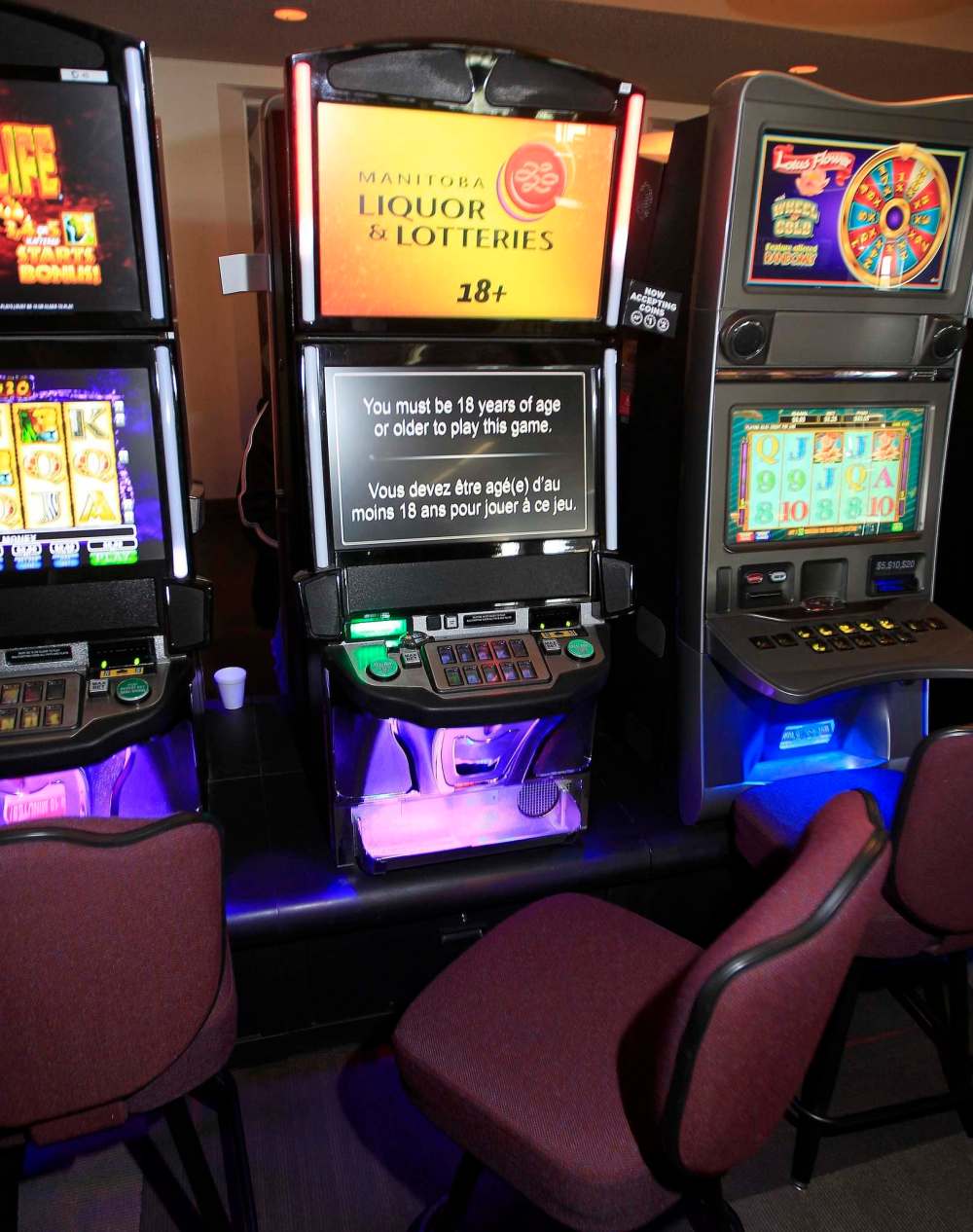
This is why its appalling that the new board of the MLL did not consult with organizations such as the Addictions Foundation of Manitoba, which is responsible for providing counselling for those suffering from gambling addictions. Instead, the MLL conducted its own assessment of the possible social harms a 24-hour model could create.
That’s kind of letting the fox guard the chicken roost. Extending casino hours may exacerbate those already struggling with a problem, particularly with VLTs. Considerable research has been done on the way VLT terminals feed gambling addictions, because of the speed of the gaming process.
It’s called “dark flow” — where gamblers become so immersed in their game, they forget everything around them. Addictions experts have sounded alarms about how fast VLT terminals operate so the player goes into a zone to continue playing, forgetting pre-set spending limits and not stepping away from the screen. Operating 24 hours a day means there is less opportunity for gamblers to take a break, walk away and then perhaps get a grip on what they are doing.
Governments across the country started to use gambling as a way of filling the budget coffers in the 1990s. The revenue that flowed from casinos, bingo, lottery ticket sales and other games was then pumped into operating budgets as a way of legitimizing their existence and making profit. There’s little doubt the decision to extend the operating hours for casinos on the weekend is seen as a way of boosting the bottom line and increasing revenue.

Premier Brian Pallister, whose government named the new MLL board in May, said while he thought gambling may create problems and not solve them, he is trying to build a relationship with the Crown corporation and so will not force its hand on the decision.
This is some Christmas present for those families already trying to cope with problem gambling.
Related Articles
Highway-infrastructure spending slumps
Advertisement Advertise With Us
Advertisement Advertise With Us