

Suburbanites decided Portage & Main’s fate
Advertisement
Read this article for free:
or
Already have an account? Log in here »
To continue reading, please subscribe:

Digital Subscription
One year of digital access for only $205*
- Enjoy unlimited reading on winnipegfreepress.com
- Read the E-Edition, our digital replica newspaper
- Access News Break, our award-winning app
- Play interactive puzzles
*First annual payment billed as $205.00 + GST for one year. This annual subscription will automatically renew at $233.00 + GST every 52 weeks (10% off the regular annual price of $259.35). Offer available to new and qualified returning subscribers only. Cancel any time.
To continue reading, please subscribe:
Add Free Press access to your Brandon Sun subscription for only an additional
$1 for the first 4 weeks*
- Enjoy unlimited reading on winnipegfreepress.com
- Read the E-Edition, our digital replica newspaper
- Access News Break, our award-winning app
- Play interactive puzzles
*Your next Brandon Sun subscription payment will increase by $1.00 and you will be charged $17.95 plus GST for four weeks. After four weeks, your payment will increase to $24.95 plus GST every four weeks.
Read unlimited articles for free today:
or
Already have an account? Log in here »
Hey there, time traveller!
This article was published 26/12/2018 (2845 days ago), so information in it may no longer be current.
Media traditionally end the year with pronouncements of best-of highlights such as Story of the Year, Issue of the Year or Person of the Year.
No media has ever solicited nominations for Traffic Intersection of the Year, but if there was such a category, Winnipeg would have a surefire winner.
One of the most hotly debated Winnipeg issues of 2018 was a plebiscite about whether to open Portage and Main to pedestrian traffic.
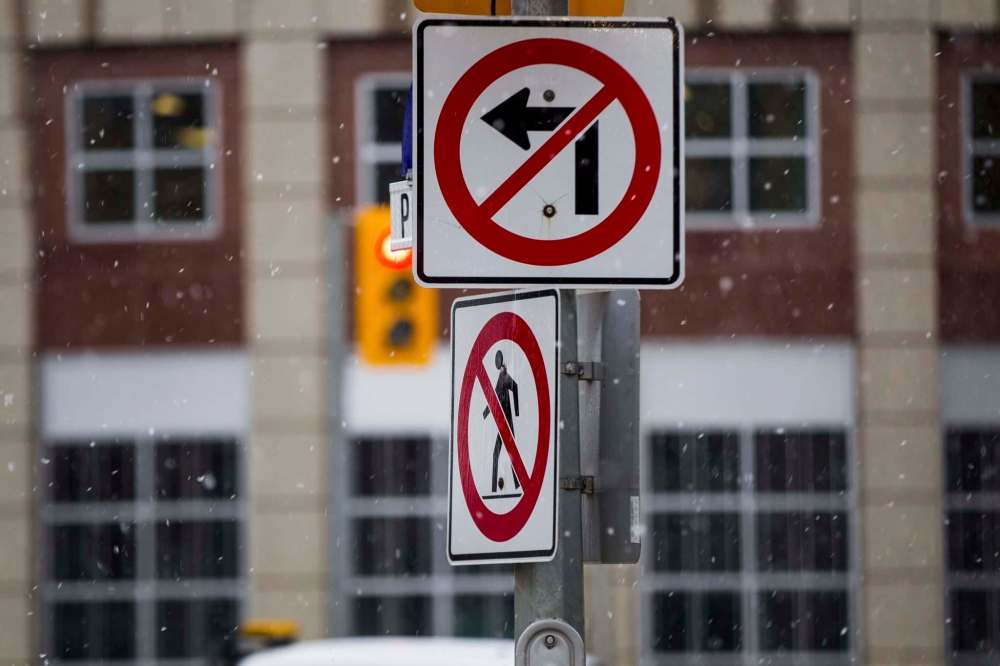
As countless opinions about the issue were spoken and published, it became clear the division between citizens depended on their urban vision and the geography of their homes.
Downtown dwellers and urbanists imagined removing the barriers could turn the intersection into a people-centred hub of activity. Suburban dwellers who rely on their vehicles for occasional forays downtown were worried opening the intersection to people would cause traffic jams.
There was more to it than that, of course. Many people aired concerns about the underground concourse that was built when Winnipeg first banned pedestrians from the iconic intersection; many said the concourse was confusing to navigate, and some said it felt unsafe, particularly after business hours when nicely coiffed people went home and the underground labyrinth seemed to attract people whose appearance and demeanour were taken as a possible indicator of ill intent.
But when the votes were counted on Oct. 24, it was the divide between urban and suburban citizens that seemed to decide the matter. People who live in suburbs tend to vote more than people who live downtown, and 65 per cent voted in favour of keeping the intersection closed to pedestrian traffic.

It might initially seem like nothing changed. The barriers went up 40 years ago and, after the plebiscite, the barriers will stay up.
But the great debate and vote of 2018 had other consequences. For instance, the vote relieved Mayor Brian Bowman of his lingering campaign pledge to open the intersection, a cause he championed in 2014. When Coun. Jeff Browaty introduced the non-binding plebiscite, the mayor retracted his commitment to open the intersection and said he would abide by the will of the people as expressed in the vote. It was a convenient way for the mayor to escape an obligation that would have been tough to fulfil and would have cost him considerable political goodwill with suburban voters who wanted the intersection to stay as it is.
Also during the campaign, reports by the Free Press revealed substantial infrastructure challenges at the intersection. The underground concourse is slowly decaying, and a membrane that covers the underground level is deteriorating, although the degree of deterioration is unclear because the membrane over the entire underground is buried a metre under the road surface.
For this reason, the problem of Portage and Main didn’t end with the plebiscite, although the nature of the problem has changed. The vote to keep the above-ground barriers now means the city is on the hook to repair the underground concourse at a cost that has yet to be determined but will be likely be high enough to require substantial funds be diverted from other city infrastructure projects.
There’s one other certainty regarding the intersection. Should the Winnipeg Jets win the Stanley Cup, a dream not entirely out of reach given the team’s sterling performance so far, fans will undoubtedly cram the same intersection where Winnipeg celebrated the signing of Bobby Hull and the return of the Jets. Plebiscite be darned; if the Jets win the Cup, pedestrians will return to the intersection, if only for one night of partying. Certain traditions loom larger than crumbling waist-high cement barriers.
Related Articles
Downtown needs work but it’s not the wasteland some perceive
Advertisement Advertise With Us
Advertisement Advertise With Us