

Acknowledgment won’t ease flood-outlet anger
Advertisement
Read this article for free:
or
Already have an account? Log in here »
To continue reading, please subscribe:
Monthly Digital Subscription
$1 per week for 24 weeks*
- Enjoy unlimited reading on winnipegfreepress.com
- Read the E-Edition, our digital replica newspaper
- Access News Break, our award-winning app
- Play interactive puzzles
*Billed as $4.00 plus GST every four weeks. After 24 weeks, price increases to the regular rate of $19.95 plus GST every four weeks. Offer available to new and qualified returning subscribers only. Cancel any time.
Monthly Digital Subscription
$4.99/week*
- Enjoy unlimited reading on winnipegfreepress.com
- Read the E-Edition, our digital replica newspaper
- Access News Break, our award-winning app
- Play interactive puzzles
*Billed as $19.95 plus GST every four weeks. Cancel any time.
To continue reading, please subscribe:
Add Free Press access to your Brandon Sun subscription for only an additional
$1 for the first 4 weeks*
*Your next subscription payment will increase by $1.00 and you will be charged $16.99 plus GST for four weeks. After four weeks, your payment will increase to $23.99 plus GST every four weeks.
Read unlimited articles for free today:
or
Already have an account? Log in here »
Hey there, time traveller!
This article was published 22/08/2022 (1321 days ago), so information in it may no longer be current.
What is the price to be paid for political posturing? One might want to ask the Manitobans who live in flood-prone areas near Lake Manitoba and Lake St. Martin.
Despite having a build-ready, $600-million plan to build two channels that would drastically reduce flooding around both lakes, as well as a commitment from Ottawa for $250 million, the Progressive Conservative provincial government dithered for more than four years over a full consultation with First Nations.
The delay was authored by former premier Brian Pallister, who repeatedly resisted demands for a more complete environmental review and more robust consultation with First Nations, thereby delaying the start of the project and access to Ottawa’s largesse.
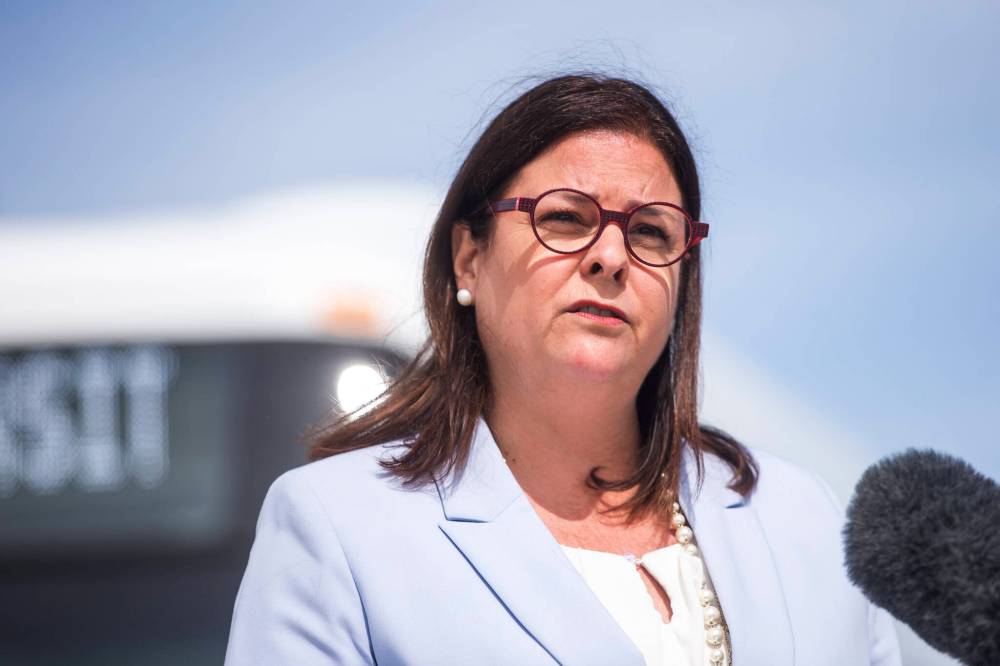
MIKAELA MACKENZIE / WINNIPEG FREE PRESS
Manitoba Premier Heather Stefanson.
This year, all that posturing finally came to a halt. In June, a Court of Queen’s Bench judge concluded Manitoba had not lived up to its constitutional duty to consult four First Nations near Lake St. Martin. And then, last week, Manitoba Reconciliation Minister Alan Lagimodiere and Infrastructure Minister Doyle Piwniuk released a statement acknowledging the government had “fallen short in our responsibilities to collaborate fully in the true spirit of reconciliation.”
The acknowledgment is a positive step, but it does not erase the previous misdeeds of the PC government. Mr. Pallister not only had a duty to consult; he had a duty to expedite these projects to protect people for whom seasonal flooding is a nightmarish aspect of life.
The origins of this debacle go back to 2011 and 2014, when communities around Lake St. Martin were severely flooded, forcing thousands of people from their homes. The most affected communities included the Lake Manitoba First Nation and Lake St. Martin First Nation, whose residents were forced to take up residence in hotel rooms in Winnipeg.
The former NDP government had pledged to build two channels to ensure the low-lying communities near the lakes were not subjected to annual flood events. Mr. Pallister took up the cause of the channels when he took power in 2016; however, in the ensuing years, and despite his better efforts, the project appeared to become bogged down by the premier’s stubbornness.

Mr. Pallister was disinclined to accept responsibility for these delays, opting instead to blame others for making unfair demands. That posture was evident as late as January 2021, about six months before he announced he was stepping down, when Mr. Pallister issued a news release chiding Ottawa for not signing onto a financial agreement to cost-share the two outlets.
“Since 2016, our government has been fighting to get this needed outlet built, to protect Manitobans, and prevent future flooding disasters from happening,” the premier stated in that release. “We’re ready to sign today and call upon the federal government to join with us and sign too.”
However, Manitoba wasn’t really ready to sign. Contrary to Mr. Pallister’s assurance, his government had failed — despite repeated urgings from Ottawa — to properly consult with First Nations most affected by the planned construction of the two channels.
This week’s acknowledgment is undoubtedly part of an ongoing effort by Premier Heather Stefanson to shed another brick from the burden of Mr. Pallister’s legacy. It remains to be seen, however, if the PC government’s flash of enlightenment on the flood channels wins back support in Manitoba’s Interlake among the region’s First Nations, and throughout the province among those perturbed by the former premier’s obstinance.
Unfortunately, Ms. Stefanson won’t know until the fall 2023 election whether her gesture has been successful in convincing people Manitoba’s government has a new leader and a new attitude, or whether it is all too little and too late.