

Idea of cops investigating cops needs review
Advertisement
Read this article for free:
or
Already have an account? Log in here »
To continue reading, please subscribe:

Digital Subscription
One year of digital access for only $205*
- Enjoy unlimited reading on winnipegfreepress.com
- Read the E-Edition, our digital replica newspaper
- Access News Break, our award-winning app
- Play interactive puzzles
*First annual payment billed as $205.00 + GST for one year. This annual subscription will automatically renew at $233.00 + GST every 52 weeks (10% off the regular annual price of $259.35). Offer available to new and qualified returning subscribers only. Cancel any time.
To continue reading, please subscribe:
Add Free Press access to your Brandon Sun subscription for only an additional
$1 for the first 4 weeks*
- Enjoy unlimited reading on winnipegfreepress.com
- Read the E-Edition, our digital replica newspaper
- Access News Break, our award-winning app
- Play interactive puzzles
*Your next Brandon Sun subscription payment will increase by $1.00 and you will be charged $17.95 plus GST for four weeks. After four weeks, your payment will increase to $24.95 plus GST every four weeks.
Read unlimited articles for free today:
or
Already have an account? Log in here »
Hey there, time traveller!
This article was published 15/06/2023 (1181 days ago), so information in it may no longer be current.
Despite improvements to police oversight in Manitoba in recent years, serious questions remain about how officers accused of wrongdoing are investigated.
One of those concerns was raised last week by Coun. Markus Chambers, who chairs the Winnipeg Police Board. Mr. Chambers took issue with the fact that the police service’s professional standards unit, which investigates complaints against police officers, does not disclose the results of its investigations.
“There is concern about police policing police,” Chambers said. “If we’re ever going to build confidence and trust in policing we have got to make sure that residents know that this action has been dealt with, discipline has been meted out or it’s been resolved as unsubstantiated.”
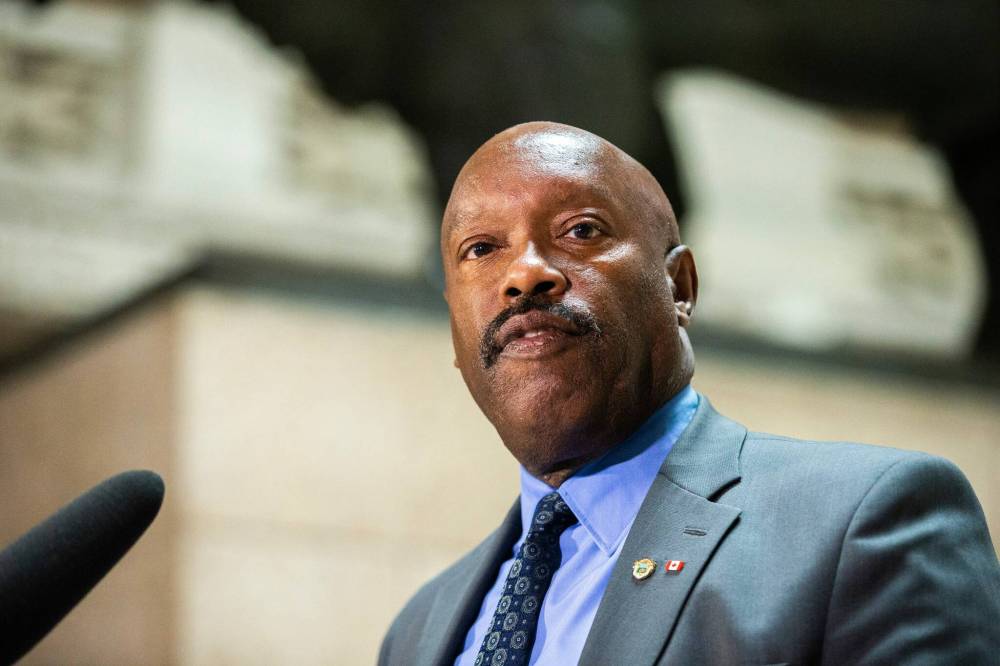
MIKAELA MACKENZIE / WINNIPEG FREE PRESS Files
Markus Chambers, councillor and chair of the Winnipeg Police Board
Chambers raises an important point. There were 43 complaints made last year to the professional standards unit. However, no details were released about the outcomes of those cases, which included allegations of abuse of authority, assault and sexual assault. Instead, the public is left in the dark about the validity of the accusations and whether any officers faced consequences for their actions.
Most investigative bodies provide year-end reports that not only disclose the number and nature of complaints received, but also details about outcomes, including whether disciplinary action was taken.
The WPS provides no such information. Chambers says there are also cases where complainants sometimes go months or years without an update from police on the status of their complaint.
Winnipeg police Chief Danny Smyth says all complaints are reviewed to determine whether a full investigation is warranted. He says police are committed to investigating all allegations of wrongdoing. That may be. However, when the police service fails to disclose information about the outcomes of those probes, it does not instil confidence in the public that the complaints are being investigated fairly and impartially.
Not only should police provide the public with as much information as possible about internal investigations, the practice of police investigating themselves should also be reviewed.

While it may be appropriate for the professional standards unit to investigate human resources issues, such as disputes between members or between officers and management, there are no valid reasons for police to investigate their own members when it comes to public complaints about officer misconduct or other wrongdoing. Those complaints should be probed by an impartial third party
Such bodies already exist in Manitoba. The Law Enforcement Review Agency (LERA) investigates complaints of police misconduct and the Independent Investigation Unit (IIU) probes allegations of serious criminal offences by officers. The creation of the IIU in 2013 went a long way towards improving public confidence in how alleged criminal activity by police is investigated.
However, the same cannot be said for less serious offences, or for allegations of officer wrongdoing that do not rise to criminality. Not all members of the public are aware of LERA’s existence and may believe the only recourse is to register a complaint directly with the police service.
Whether LERA is the best option (it has been criticized in recent years as an ineffective body that does not do enough to hold police accountable), or whether a new third party should be created is open to debate. What is important is the current process lacks accountability and should be improved.
Disclosing the results of internal investigations would be a good start to bolster public confidence in how police respond to accusation of officer wrongdoing. A broader debate about how to divert all public complaints to an impartial third party would strengthen police oversight further.
History
Updated on Thursday, June 15, 2023 7:18 AM CDT: Adds photo