

Silence at inquests deafening
Advertisement
Read this article for free:
or
Already have an account? Log in here »
To continue reading, please subscribe:

Digital Subscription
One year of digital access for only $205*
- Enjoy unlimited reading on winnipegfreepress.com
- Read the E-Edition, our digital replica newspaper
- Access News Break, our award-winning app
- Play interactive puzzles
*First annual payment billed as $205.00 + GST for one year. This annual subscription will automatically renew at $233.00 + GST every 52 weeks (10% off the regular annual price of $259.35). Offer available to new and qualified returning subscribers only. Cancel any time.
To continue reading, please subscribe:
Add Free Press access to your Brandon Sun subscription for only an additional
$1 for the first 4 weeks*
- Enjoy unlimited reading on winnipegfreepress.com
- Read the E-Edition, our digital replica newspaper
- Access News Break, our award-winning app
- Play interactive puzzles
*Your next Brandon Sun subscription payment will increase by $1.00 and you will be charged $17.95 plus GST for four weeks. After four weeks, your payment will increase to $24.95 plus GST every four weeks.
Read unlimited articles for free today:
or
Already have an account? Log in here »
Hey there, time traveller!
This article was published 15/09/2023 (1073 days ago), so information in it may no longer be current.
It’s bad enough that it takes years — in one case a decade — for an inquest to be held into a fatal shooting by Manitoba police.
It’s bad enough that when the inquest finally begins, it is tipped heavily in favour of law enforcement, with the witness stand dominated by police officers.
And it’s bad enough that when the judges get to writing their final reports, they often fail to include basic human details, such as the victim’s age, heritage or ethnicity.
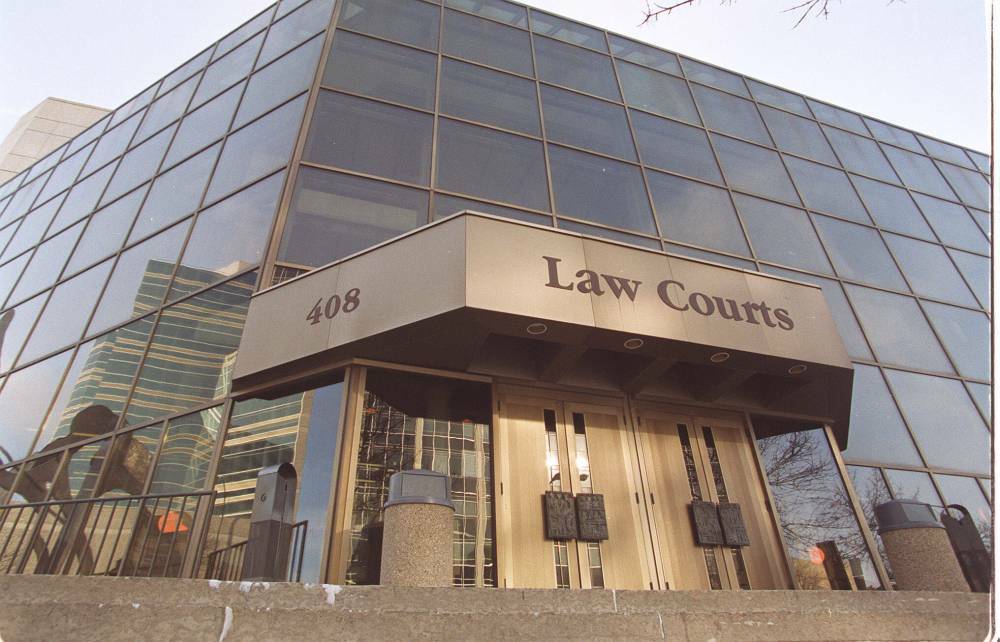
Winnipeg Free Press files
In two-thirds of 14 inquests into fatal shootings by police since 2003, the presiding judges made no recommendations.
However, it’s unconscionable that those same judges, in the majority of the inquests examining the circumstances surrounding a deadly encounter with police, were unable to come up a single recommendation that could potentially prevent a future death.
This week, The Free Press concluded a four-part series examining just what happens when someone in Manitoba dies with a police officer’s bullet in their body. The results of that investigation are harrowing: in two-thirds of the 14 inquests carried out into fatal police shootings since 2003 (one case involved two fatal encounters), the judges overseeing the inquests have had nothing to recommend at the end of the process. Even when they do make recommendations, a review of government and police responses to ombudsman inquiries show they are rarely followed through on.
Police services in Canada and the U.S. have come under intense scrutiny in recent years as reports of minorities being mistreated, abused and killed at the hands of police trigger intense backlash. Canada’s journey of reconciliation with Indigenous Peoples, and deaths like that of George Floyd in Minneapolis, have offered visceral and frequent reminders that people — disproportionately non-white people — find themselves in mortal peril during confrontations with the justice system.
So for Manitoba judges to hold mandatory inquests into 15 different fatal shootings over the last 20 years (there are another 14 yet to have inquests) and have nothing to say by way of correction or even admonishment, is nothing less than a failure of the system.
Those in the justice system simply have to know better than that by now.
One might be tempted to cut judges a break. Maybe the cases are clear-cut. Maybe there really is nothing to say. But why then, in a comparative review of inquests from Ontario and B.C., does it show that each inquest in those provinces led to recommendations?
As the Free Press reported Wednesday, judges do offer explanations for not having recommendations. In some cases that might be fair enough, such as when ways to prevent a similar shooting in the future have already been implemented by the time of the inquest’s conclusion.

But one of the stated reasons — that “possible changes were outside an inquest’s scope,” seems like absurd reasoning.
Some judges have stepped outside of what is seen as an inquest’s “scope” and the details are telling: one judge noted that a man fatally shot by police in 2007 “fell through the cracks” of society; another, speaking to a shooting in 2005, suggested “some discretion and compassion could have been exercised,” in how officers responded during the incident.
If acknowledging the realities of life for the victim, or suggesting police have compassion in the course of their duties, may be considered outside the scope of a judge’s purview, something is very wrong.
A system in which a court takes an absurd amount of time to review a fatal police shooting, only to have no statement on the matter at the end, is a broken system. If judges are in no position to compel action — and have no duty even to recommend it — then that needs to change.
Hopefully, what has been uncovered will serve as a reality check for those in the judiciary on the importance of speaking up when it counts. Because silence speaks volumes, and Manitobans are listening.